
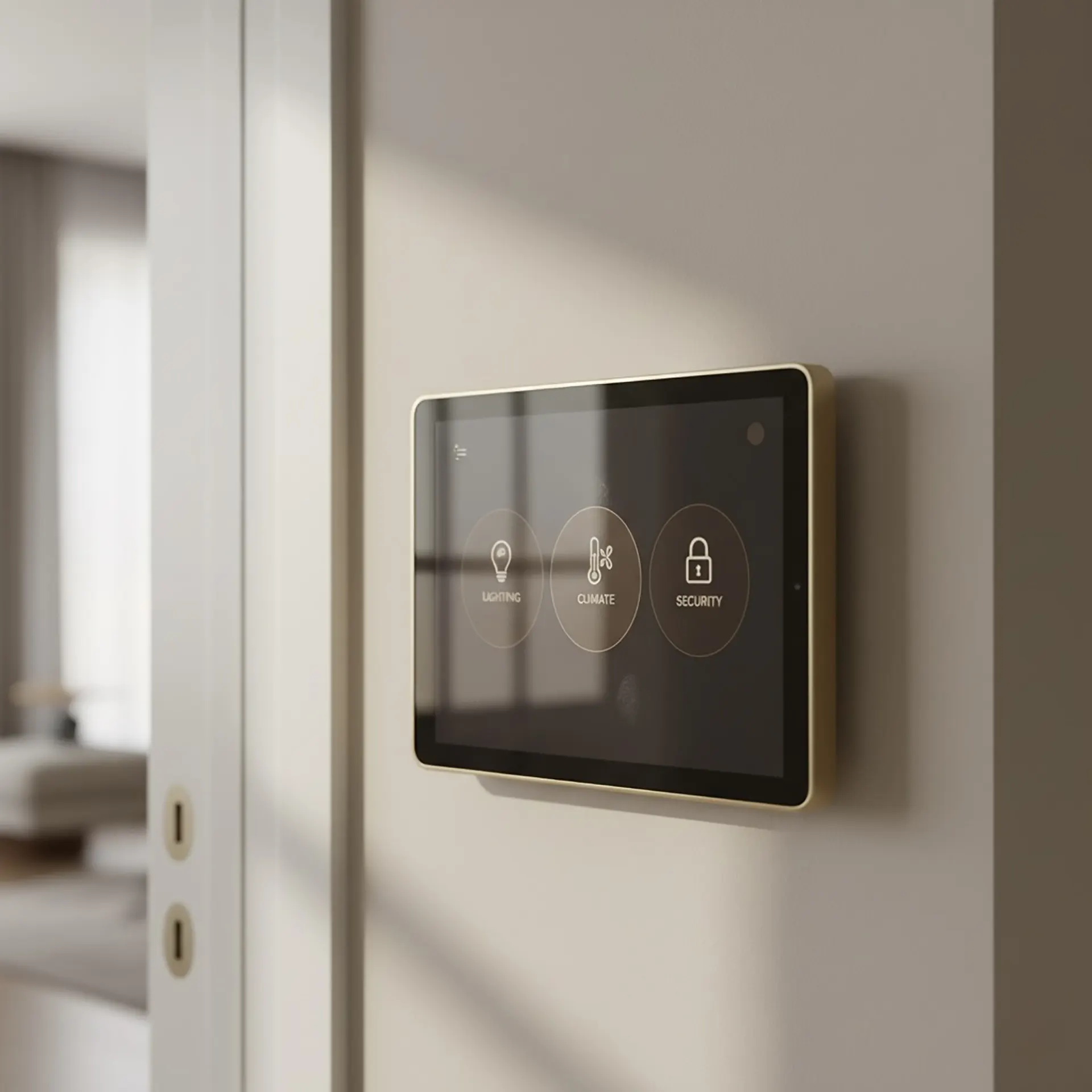
Smart Homes, Smarter Living: Integrating Technology into Your Renovation
The concept of a “smart home” has evolved beyond the fantasy of controlling everything by voice. Modern smart home systems integrate technology to improve comfort, security, efficiency, and convenience. The best smart homes anticipate your needs, adjusting lighting, temperature, and safety features automatically, without adding complexity.
Successful integration is about choosing technologies that solve real problems. From automated coffee makers to lights that brighten gradually in the morning, or from secure monitoring while traveling to energy-saving climate control, smart features should feel seamless. Planning during renovation ensures proper wiring, placement, and integration for a truly intelligent living environment.
1. Building the Right Infrastructure
A strong foundation is essential for any smart home renovation. This includes structured wiring, ethernet access in every room, extra electrical circuits, and conduit systems for future upgrades. Modern homes need more outlets, especially in offices, entertainment areas, and kitchens.
Strategically placed wireless access points prevent Wi-Fi dead zones, ensuring reliable device performance. Professional installers often create separate networks for smart devices, improving both security and performance.
2. Climate Control and Lighting
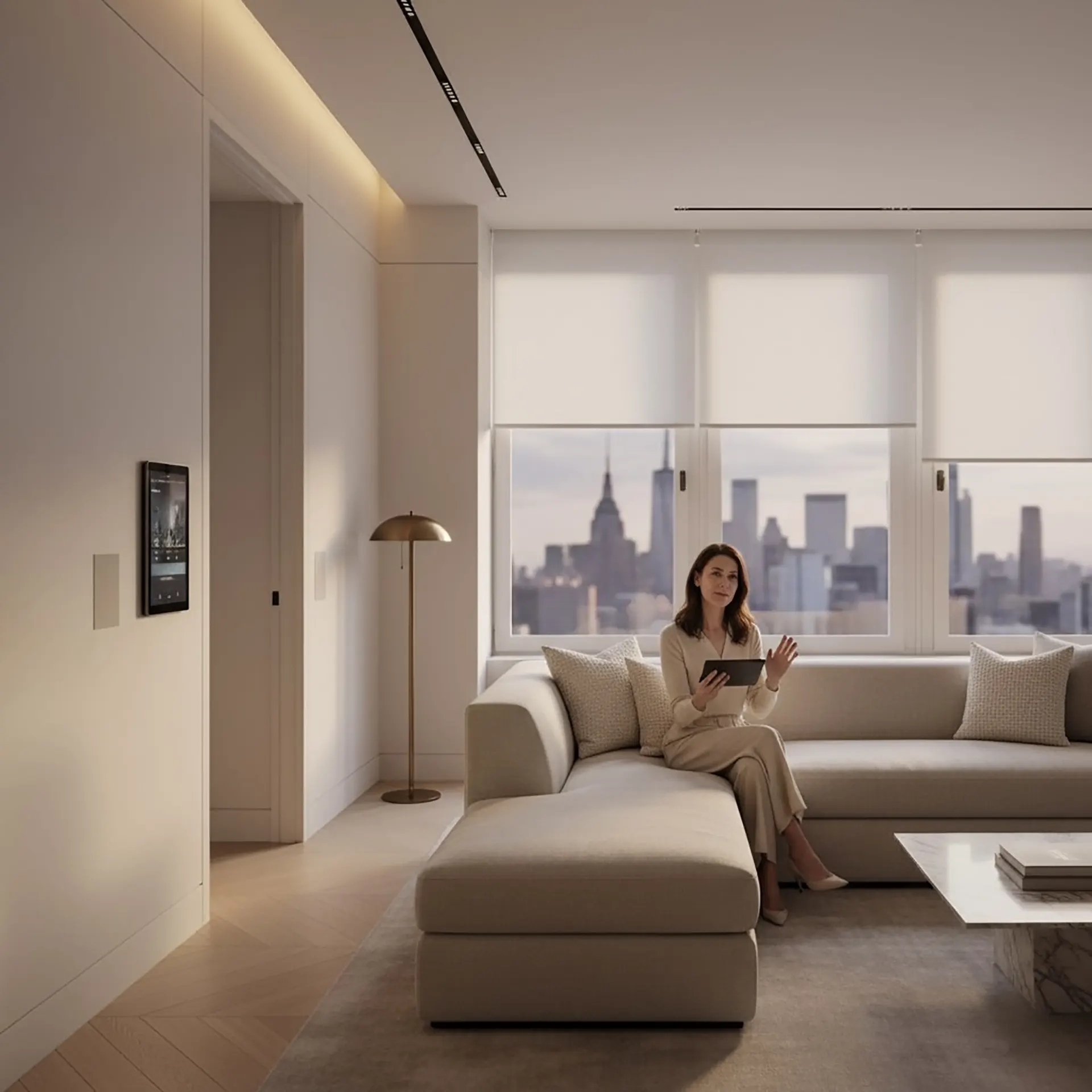
Smart thermostats learn your schedule, adjusting temperature for comfort when home and saving energy when away. Zoned HVAC systems allow different rooms to maintain individual temperatures.
Advanced lighting systems adjust brightness and color temperature to support circadian rhythms, automate schedules, and integrate with other devices for scene control. Motion sensors and daylight harvesting ensure lights are used only when needed, while gradual dimming supports better sleep patterns.
3. Security and Monitoring
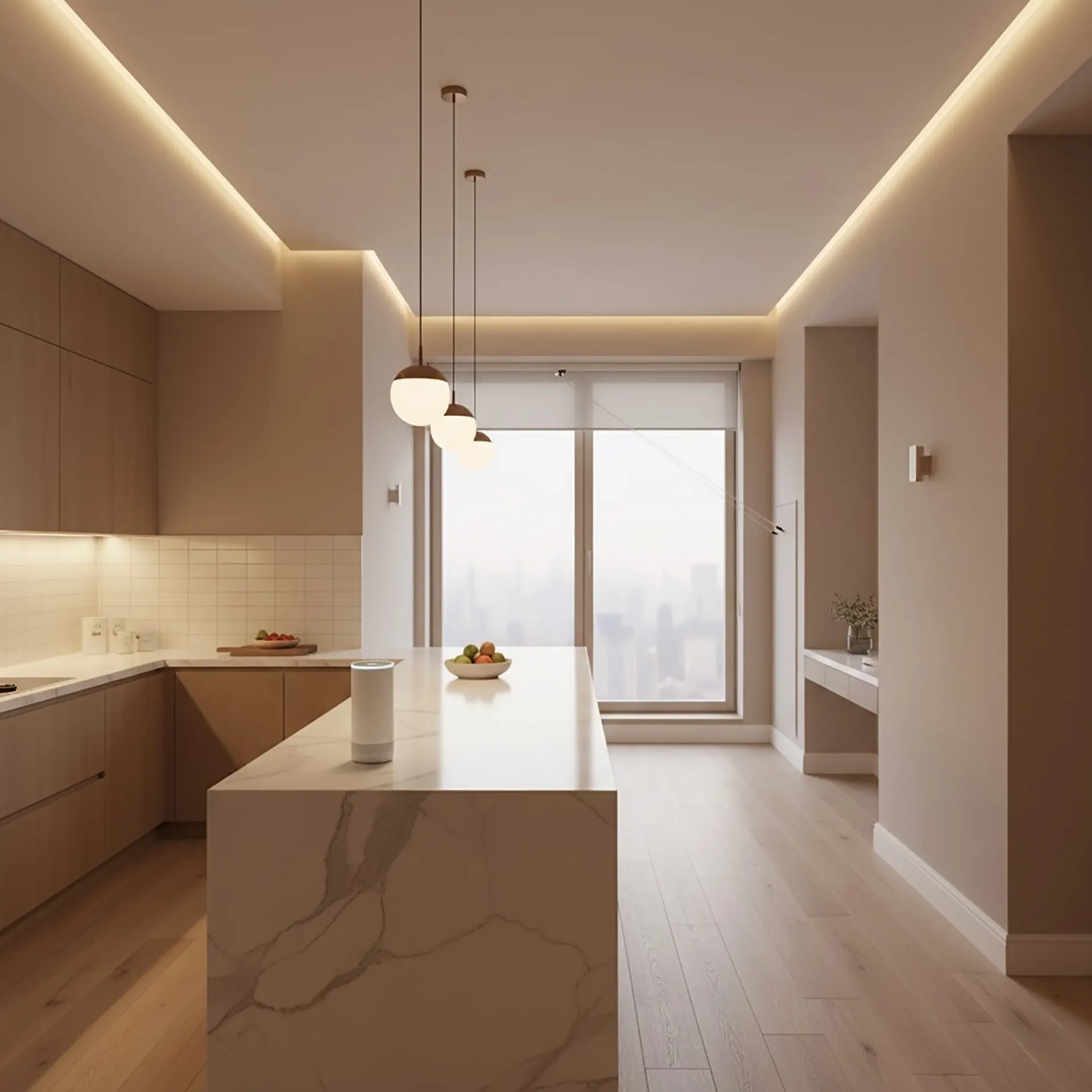
Modern security integrates traditional alarms with advanced features like facial recognition cameras, smart doorbells, and integrated smoke and carbon monoxide detectors. Smart locks provide keyless entry, usage logs, and automatic locking when armed.
Water leak sensors and automatic shut-off valves prevent costly damage. Effective systems link with lighting and audio to simulate occupancy, while mobile apps allow real-time monitoring and control from anywhere, proving that the smartest homes make their owners feel secure, comfortable, and in control.
Core Smart Home Benefits:
- Efficiency: Automated climate control and lighting scheduling save energy.
- Security: Advanced monitoring, smart locks, and leak detection provide peace of mind.
- Comfort: Zoned HVAC and circadian lighting automatically adjust to inhabitant needs.

The New Minimalism: Why Quiet Luxury Is Replacing Maximalist Trends
If the 2010s celebrated bold patterns, open shelves filled with collectibles, and color-saturated wa

Before and After: A Kitchen Makeover that Will Inspire You
Nothing showcases the transformative power of thoughtful design quite like a dramatic kitchen renova
Harmonizing Space: The Complete Guide to Feng Shui Interior Design and Decorating
What is Feng Shui Interior Design? Originating from ancient China, “Feng” means wind and