
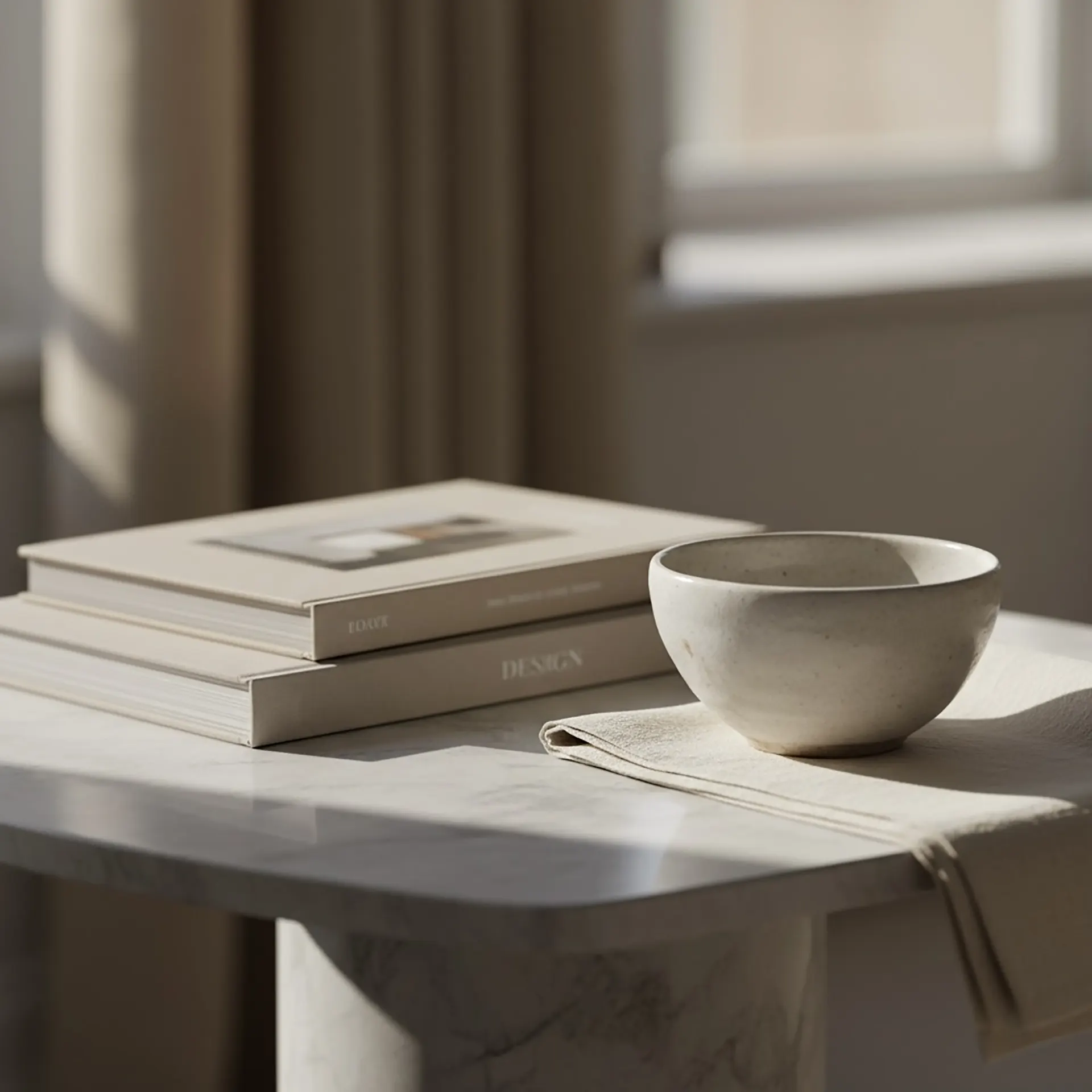
The New Minimalism: Why Quiet Luxury Is Replacing Maximalist Design
There is a particular kind of apartment that immediately stops you the moment you walk in, not because anything in it is especially dramatic or expensive-looking, but because absolutely nothing is competing for your attention. As you take in the honest materials and the deeply considered lighting, everything feels like it belongs exactly where it is, causing you to exhale without even knowing why. That distinct phenomenon is quiet luxury, and if you have been paying attention to how Manhattan apartments are being renovated and sold over the past few years, you have undoubtedly noticed it everywhere.
How we got here
The 2010s were incredibly loud by design, characterized by open shelves crowded with objects, aggressive statement wallpapers, and vibrant velvet upholstery in colors that announced themselves from across the room. The entire aesthetic of that decade was rooted in sheer abundance where more was simply more, and that visual excess was the aspirational goal for most homeowners. Then something gradually shifted, not overnight and not because any single trend definitively declared itself over, but because the homes people actually wanted to spend their lives in started looking completely different from the heavily styled spaces being photographed for maximum visual impact.
The pandemic significantly accelerated this evolution, as spending extended, unbroken time inside a single space clarifies very quickly what that environment actually feels like to inhabit versus what it merely looks like in a carefully cropped picture. The fundamental question changed from asking how a room photographs to asking how it actually feels to be there every single day, and that critical shift in priority is exactly where the new minimalism begins.
What quiet luxury actually is, and what it isn’t
Quiet luxury is certainly not austerity, nor is it the cold, spare minimalism of the early 2000s where rooms felt sad and emptied out rather than thoughtfully considered. It does not require stark white walls, completely bare floors, or the strict elimination of anything personal or warm, but it absolutely does demand unwavering intention. Every material must be chosen for how it ages gracefully rather than just how it looks when brand new, with every single object fully earning its place rather than merely filling empty space.
Color is used with deliberate restraint, not because neutral tones are inherently safer, but because a sophisticated palette of warm stone, natural oak, and matte plaster creates a profound depth that a much busier room inevitably loses, allowing texture to do the heavy lifting that patterned prints once did. The tactile quality of these spaces is absolutely central to their success, relying on natural stone that carries genuine weight alongside linen that softens with every wash and oak that develops rich character over the years. These are materials that actively reward living with them instead of just looking at them.
Craftsmanship becomes brilliantly visible in this context in a way it never can when a room is visually loud, because when a space is highly restrained, every single joint, finish, and alignment is completely exposed with nowhere for imprecision to hide. This is exactly why the best examples of this aesthetic also represent some of the most technically demanding work being done in residential renovation right now, proving that simplicity, when executed perfectly, is genuinely difficult.
Why neuroscience and Manhattan resale agree
The appeal of these quieter interiors extends far beyond mere aesthetics, as research regarding the relationship between our visual environment and cognitive load consistently demonstrates that cluttered, high-stimulation spaces drastically increase cortisol levels while reducing the brain’s capacity to rest and focus. Clean lines and balanced compositions achieve the exact opposite effect, meaning that in an era where most people are constantly navigating digital overstimulation, a home offering genuine visual silence has become something buyers actively seek out rather than just stumble into.
The Japanese concept of ma, which centers on the idea that empty space holds its own distinct value and meaning, has deeply influenced how architects and designers in New York and beyond are evaluating what a room truly needs versus what it can afford to leave out. Restraint is never viewed as a lack of something, but rather as a highly deliberate decision.
For Manhattan specifically, there is a very practical financial dimension to this conversation worth stating plainly. Co-op boards have long favored timeless, understated renovations over polarizing design choices that merely reflect a fleeting moment in time. Buyers at the higher end of the Manhattan market tend to deeply value interiors they can seamlessly inhabit as-is or gently make their own without having to dismantle someone else’s overbearing aesthetic vision. A quiet luxury renovation that is executed well tends to age remarkably gracefully while reading as pure quality rather than a passing trend, proving that these spaces do not just look better over time, but they also transact far more smoothly.
What it looks like in practice
The specific moves that define quiet luxury interiors are worth naming concretely, because the aesthetic is sometimes described in terms so highly abstract they become practically useless for anyone trying to achieve the look.
- Start with subtraction, not addition. Most rooms benefit immensely from strict editing before they ever benefit from acquiring new items. The discipline of deciding what stays while holding firm to that decision is exactly where this aesthetic either lives or dies.
- Invest in materials with real longevity. Authentic wood, natural stone, custom plaster, linen, and wool age in organic ways that read as beautiful character rather than degradation or wear.
- Let texture replace pattern. A room can achieve enormous richness through the combination of matte plaster, smooth marble, rough linen, and oiled oak without ever needing a single patterned surface to generate visual interest.
- Treat lighting as architecture. Concealed LED strips that gently wash a ceiling with indirect light, fixtures that disappear into the design rather than loudly announcing their presence.
- Choose craftsmanship over quantity. A single piece of custom millwork executed with flawless precision does exponentially more for a room than several trend-adjacent objects combined ever could.
The broader shift this represents
Stillness, in design just as in many other aspects of modern life, has become an undeniable form of ultimate distinction. There is something inherently mature about an interior that does not feel the need to prove anything to anyone, communicating its intrinsic quality through premium materials and perfect proportions rather than through grandiose gestures and sheer volume. It is essentially the interior design equivalent of a perfectly crafted sentence that does not need any heavy emphasis or exclamation points to successfully land its message.
Ultimately, the most luxurious aspect of a well-executed quiet luxury space is not any single physical element placed within it, but rather the holistic, immersive experience of simply being inside it – an atmosphere that is significantly harder to achieve than it might initially look.
What is quiet luxury in interior design, and how is it different from minimalism?
Why are so many people moving away from maximalist interiors right now?
Does quiet luxury work in smaller Manhattan apartments, or does it require large spaces?
How does quiet luxury affect resale value in Manhattan?
What are the most important material choices for achieving this aesthetic?
Where does lighting fit into quiet luxury design?
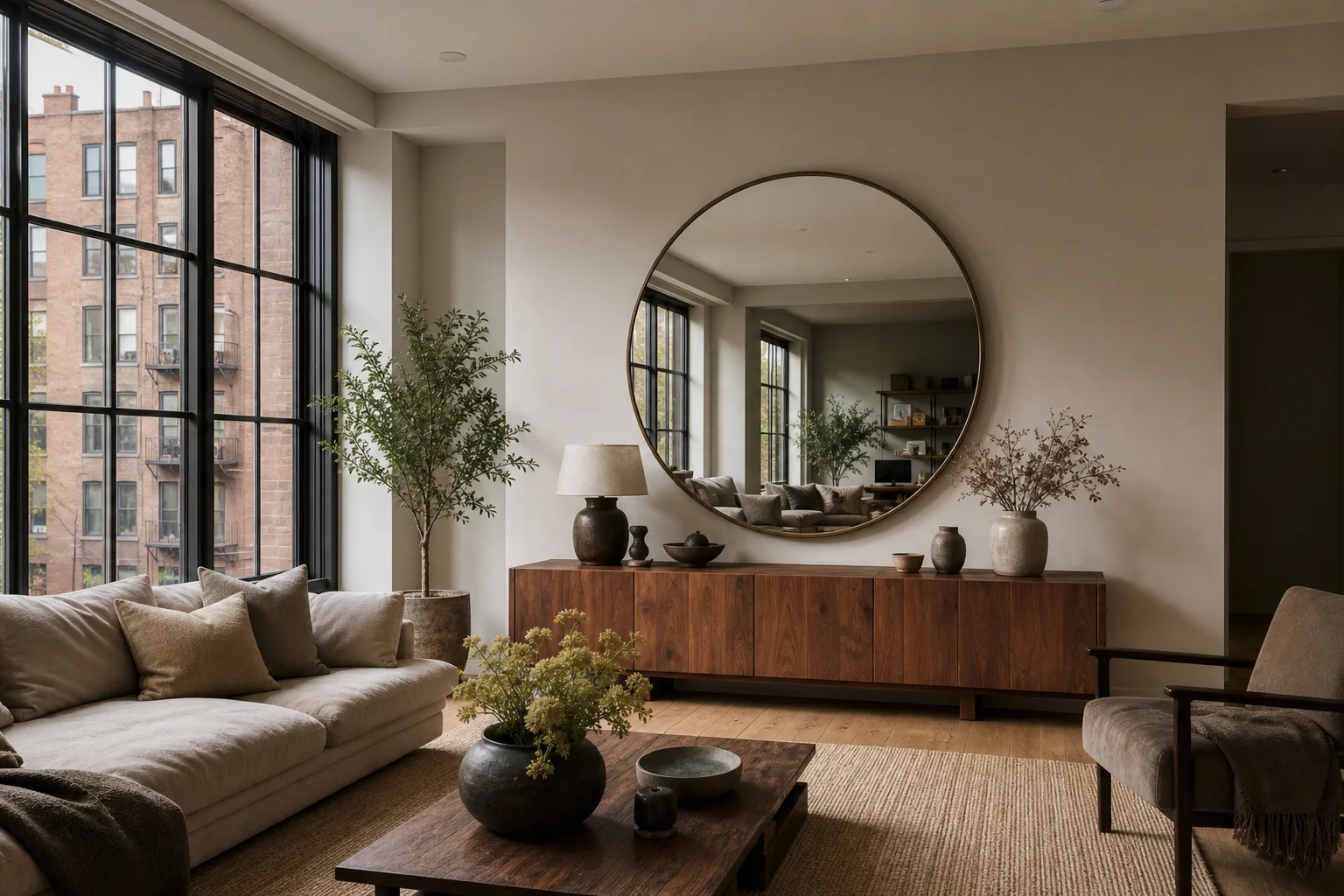
Where Feng Shui Puts Mirrors, Room by Room
Feng shui mirrors are a simple, high-impact element, but placement matters more than size or style.

Before and After: A Kitchen Makeover that Will Inspire You
Some renovation projects are incremental. They improve what’s there, refine what’s worki
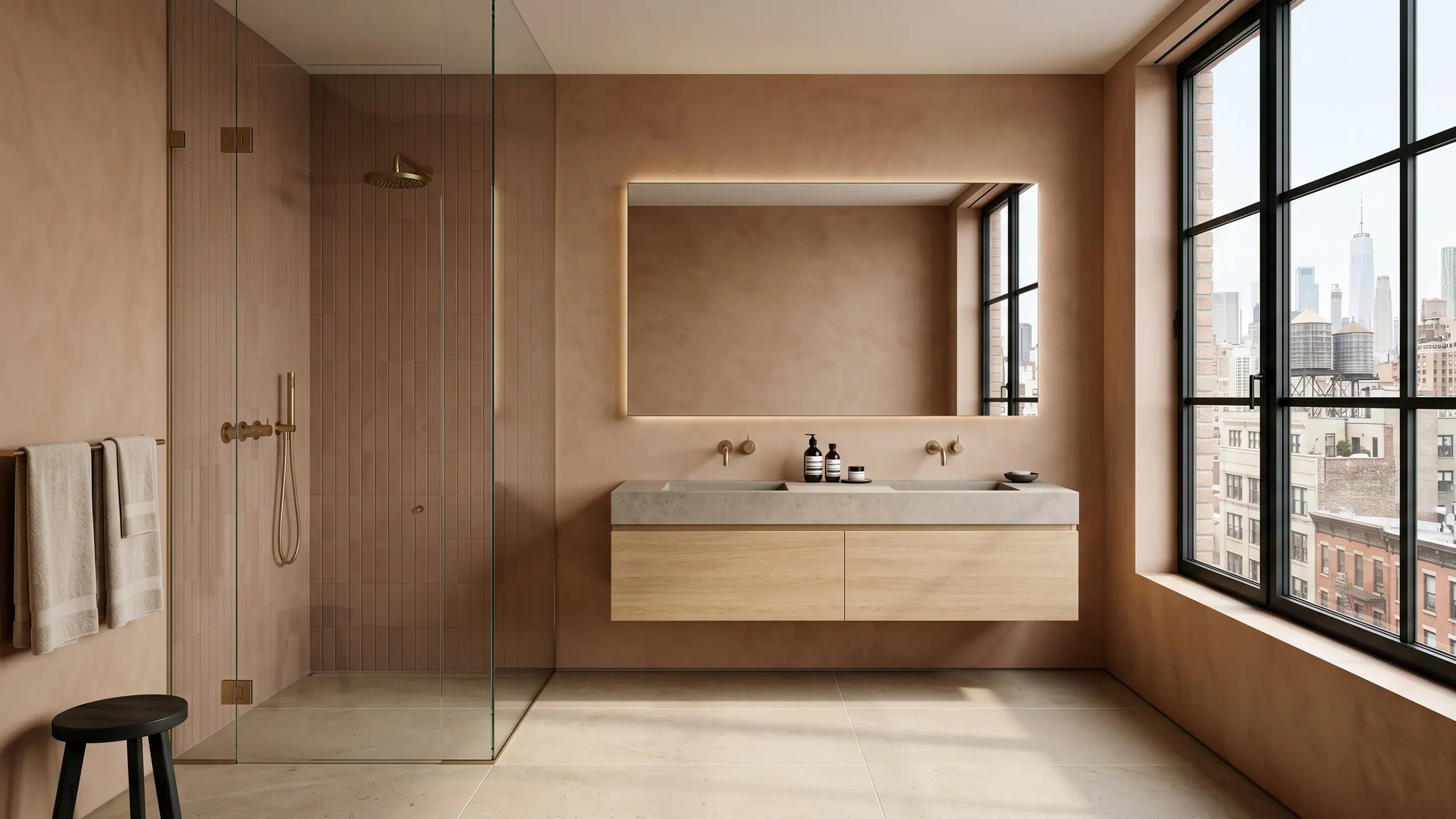
Best Color Combinations for a Bathroom Renovation in NYC (2026 Trends)
Color is the cheapest decision in a bathroom renovation and the most expensive one to get wrong. Eve