
Two Pieces of Paper Decide What Your Renovation Costs
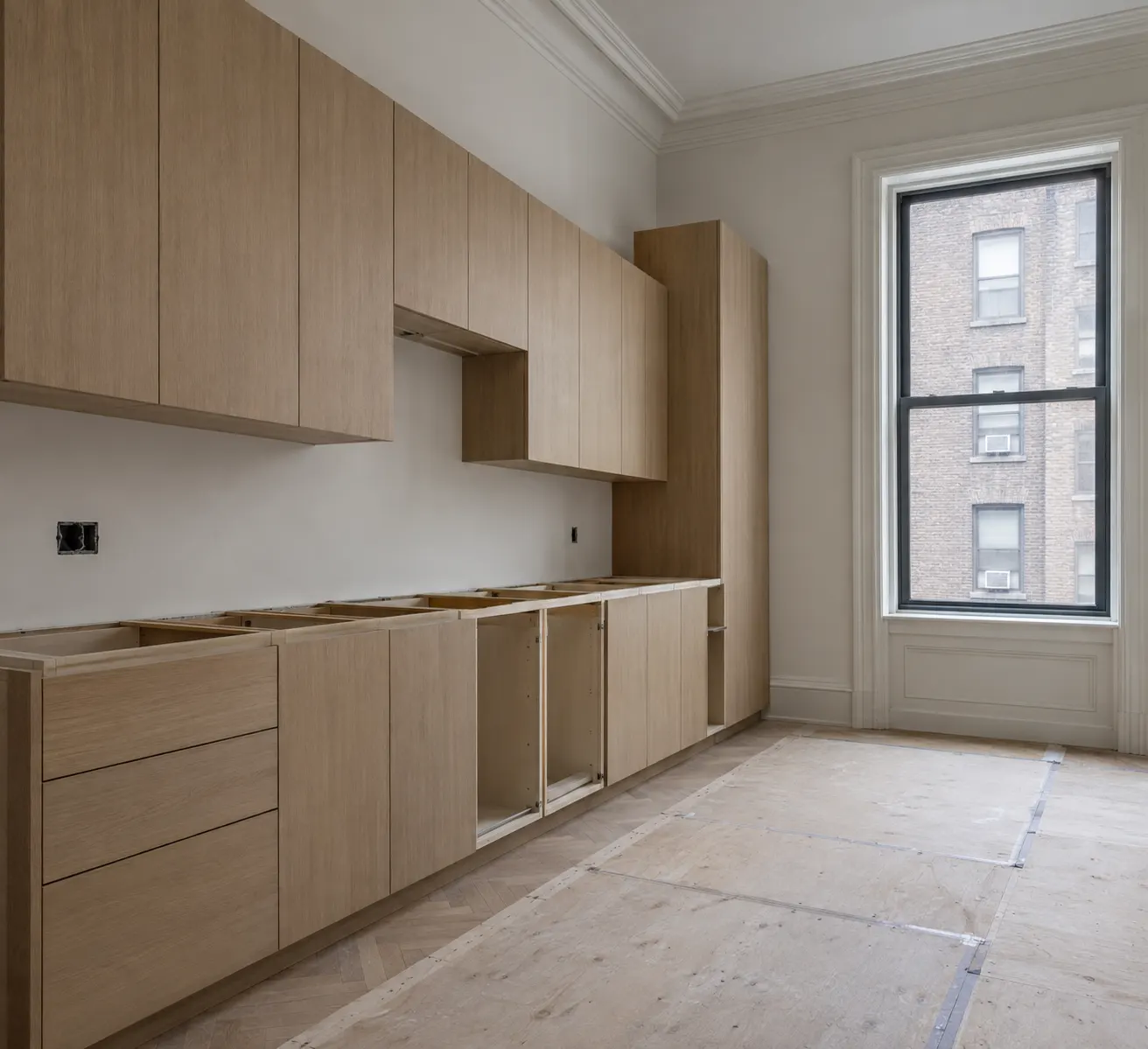
Two owners on the same line of the same building spend $150,000 on the same kitchen. One of them never signs the certificate, so the contractor, who would be left proving the job qualified if the state asked, puts sales tax on the invoices, and the c
Why Repainting the Trim Is Not a Weekend in a Pre-War Building
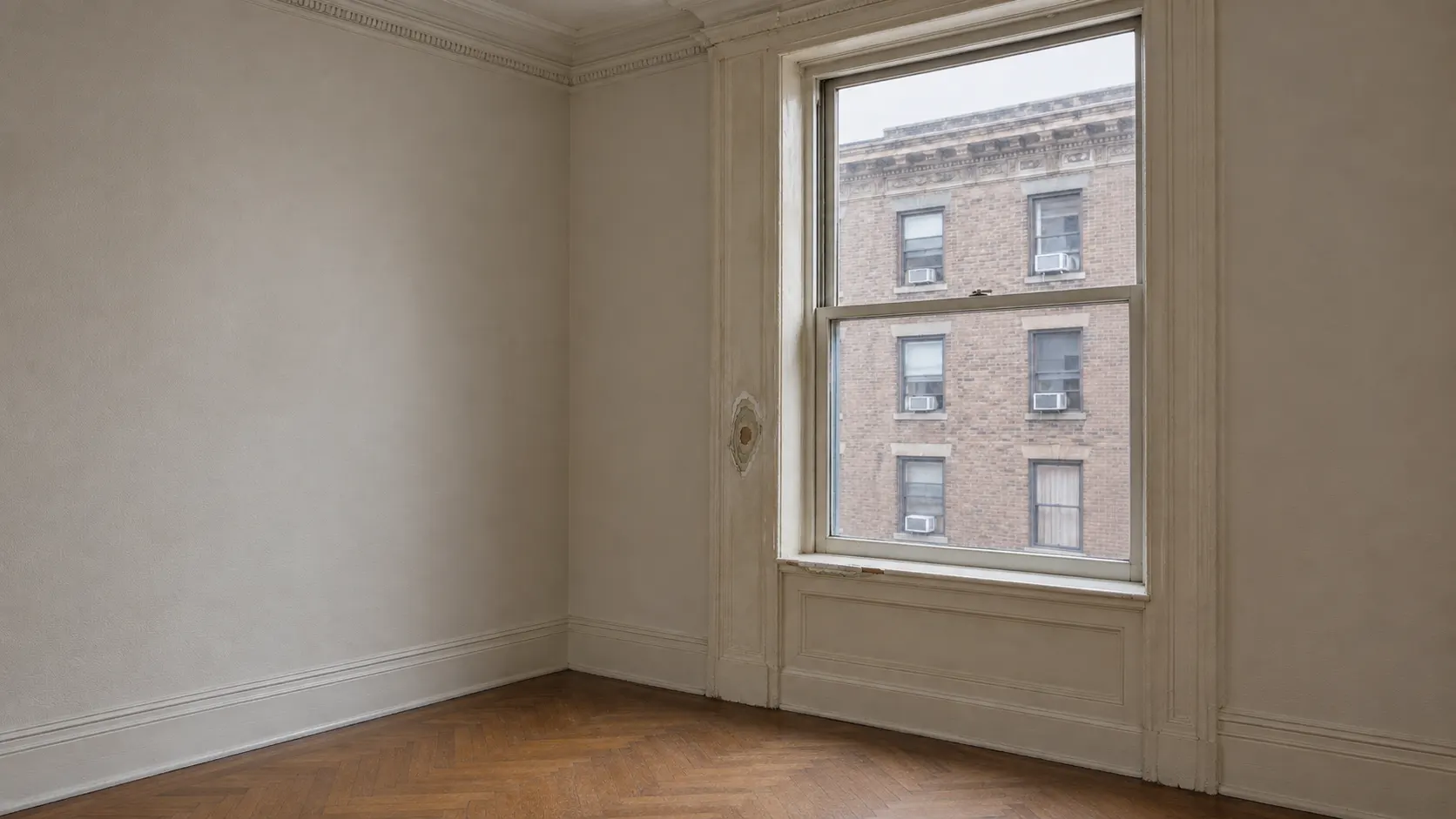
The call arrives in the same shape every time. Trim in two rooms has yellowed, a window sash sticks, and the plan is a week of painting while the family is away. In a pre-war building it takes longer, and the reason is the paint. Nothing is wrong wit
What Happens to Your Deposit Before the Work Starts
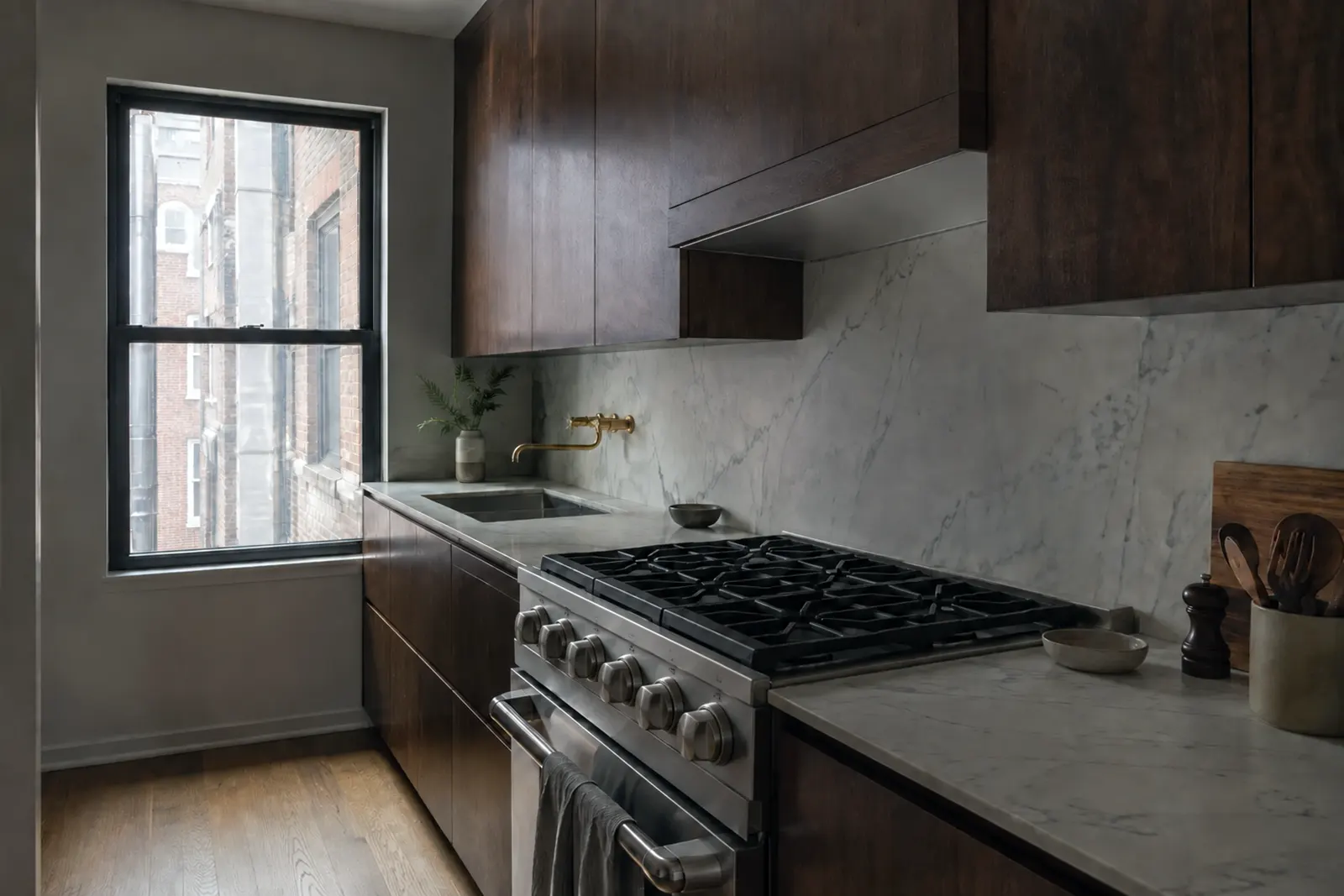
The first payment on a renovation is the strangest one you will ever make. Every other check you write in your life buys something that exists. This one buys a start date, a place in someone else’s schedule, and a crew that has not shown up yet
Why the Bathroom Is Always Finished Last
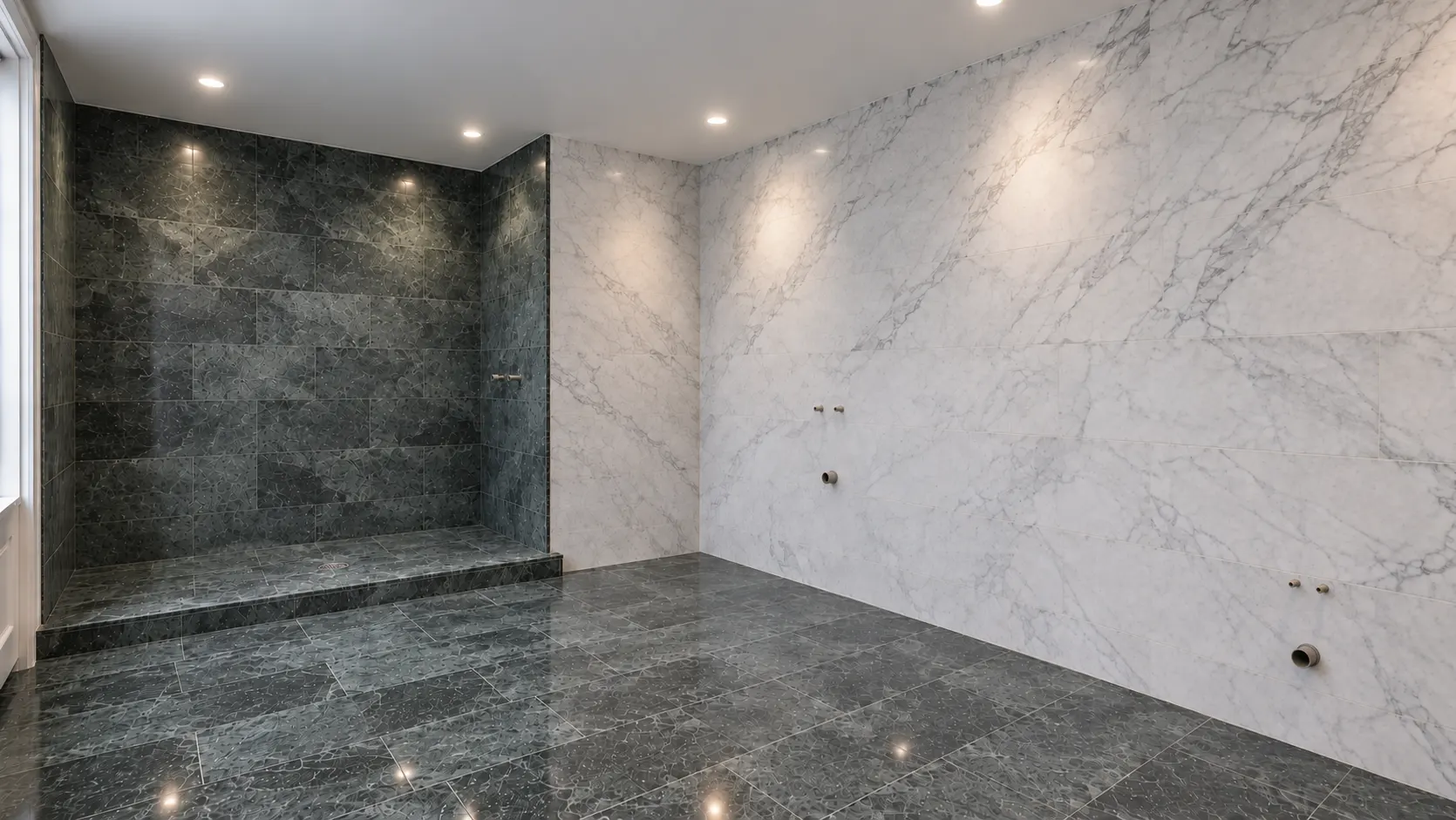
Somewhere near the end of an apartment renovation there is a week when the bathroom looks finished and cannot be used. The tile is on the wall. The fixtures are in the hallway in their boxes. Nobody is working in there, and nothing is wrong. The room
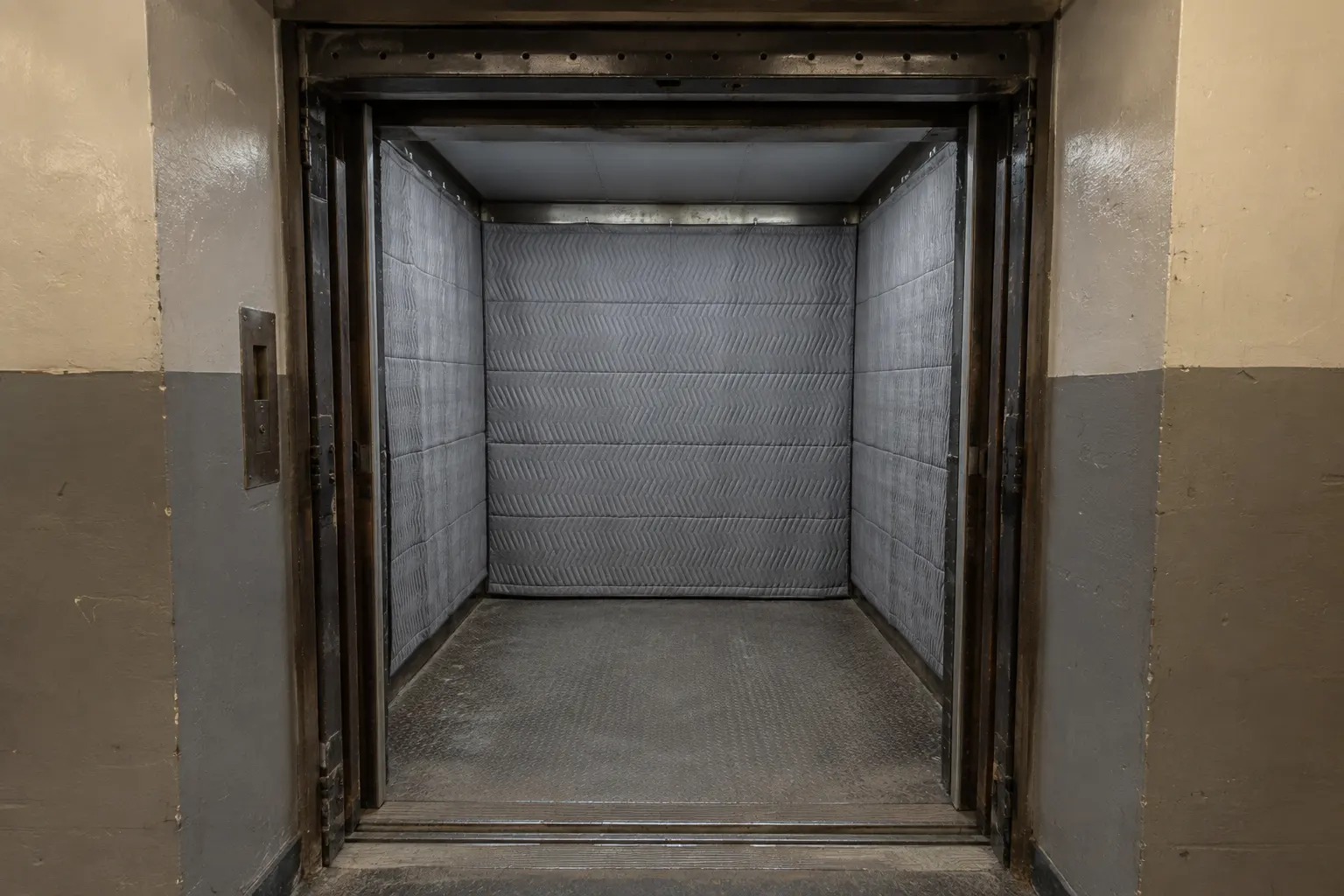
What Fits in the Elevator Decides the Kitchen
A countertop that stops at the last turn in the corridor is a routine failure in this city, familiar to any fabricator working in pre-war buildings. Nothing about the stone is wrong when it happens. The route is wrong, and the route was never measure
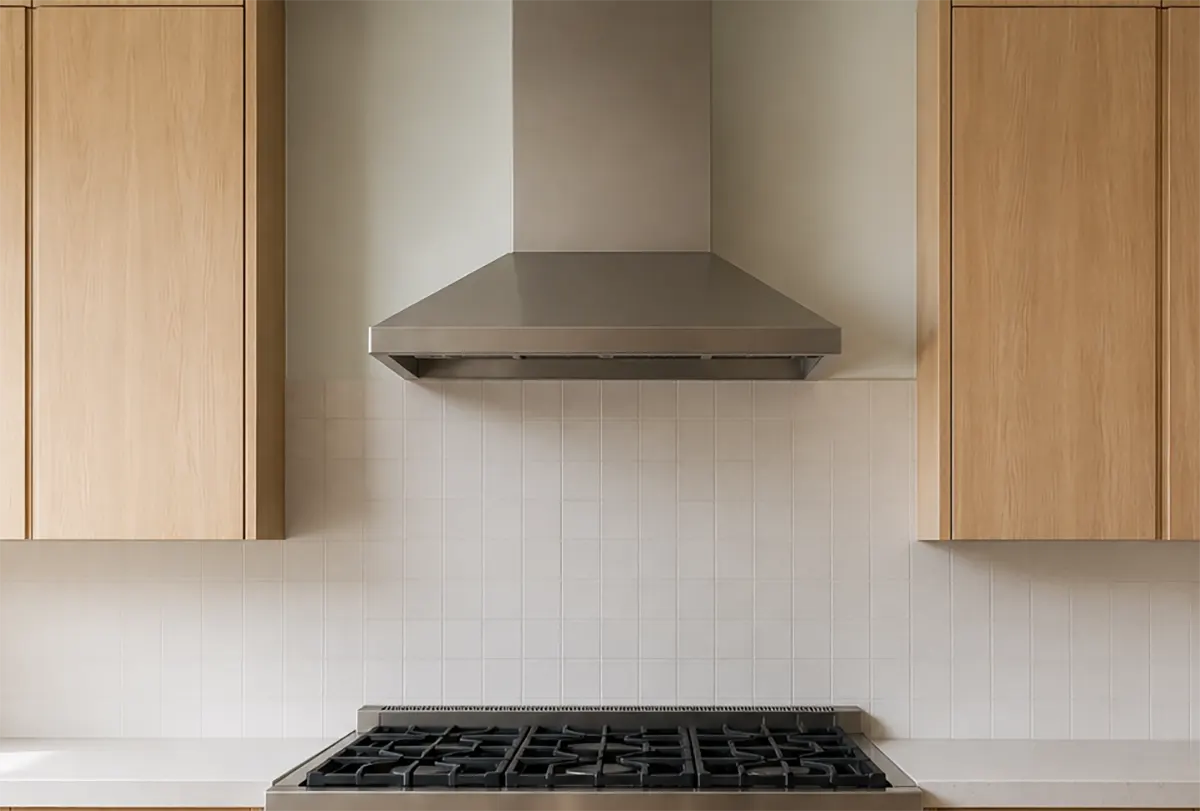
Why the Hood Over Your Range Does Nothing
Fish on Thursday, and on Friday morning the hallway still knows about it. The film on the cabinet doors beside the range comes back a week after it is wiped off. Meanwhile the hood cost more than the dishwasher, its spec sheet promised a number nobod
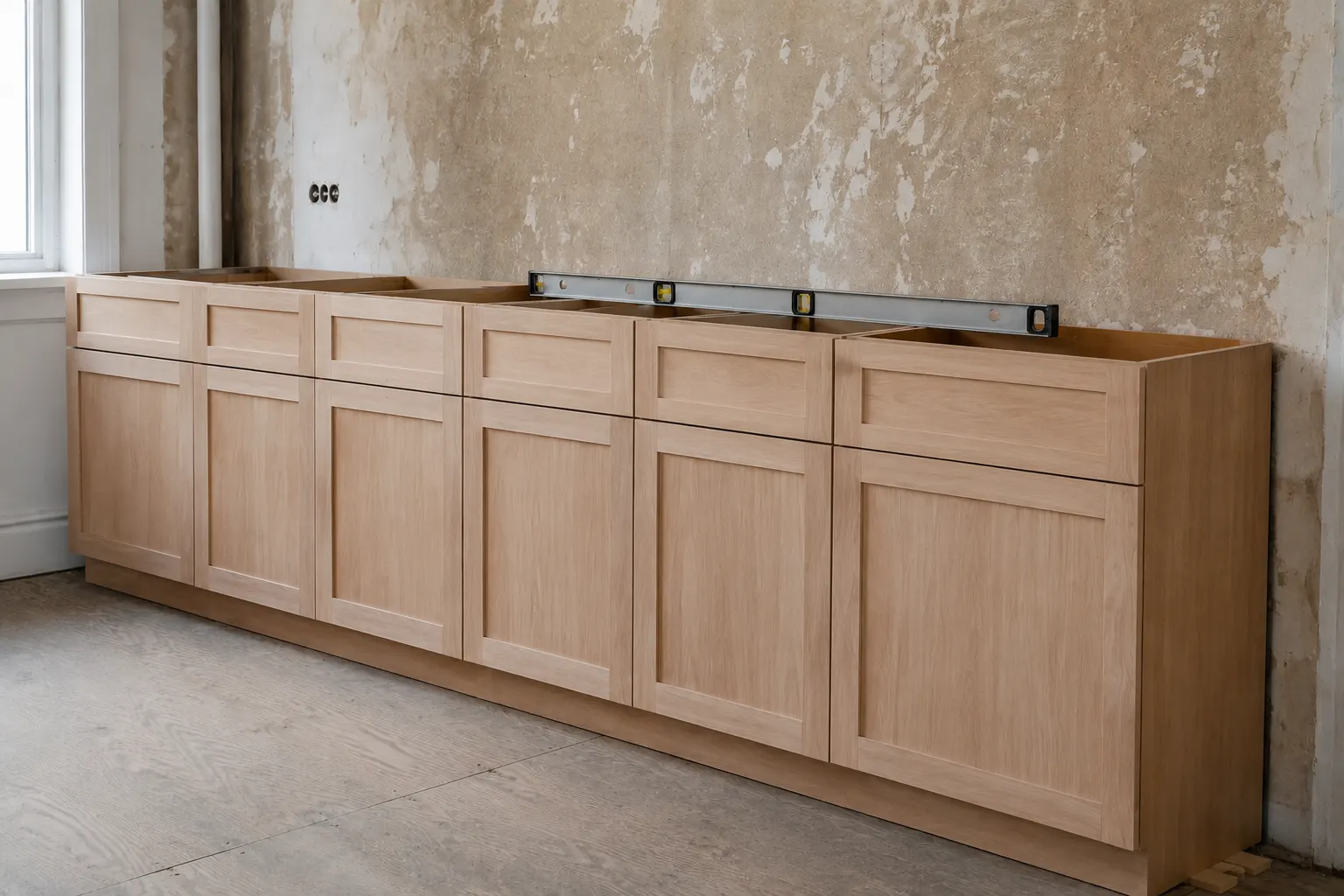
Why Cabinets Never Sit Flush Against a Pre-War Wall
The kitchen arrives on a Tuesday. The boxes come up in the service elevator, the crew sets the base cabinets along the wall, and by lunchtime the run is standing. Then the owner walks in, looks at the far end, and sees a gap between the side of the l

Kitchen Work Aisles and Clearances: Which Numbers Are Actually Required
The number everyone repeats for a kitchen aisle is 42 inches, and in New York City that is not the minimum. The minimum is 36, it sits in the Building Code, and an inspector can hold you to it. The 6 inches between those two figures separate a kitche

Bathroom Clearances: The Legal Minimum and What Works
Bathroom dimensions are one of the few parts of a renovation where the code gives you hard numbers rather than guidance. The numbers are also smaller than most people expect. A layout can satisfy every clearance in the book and still be a room you re
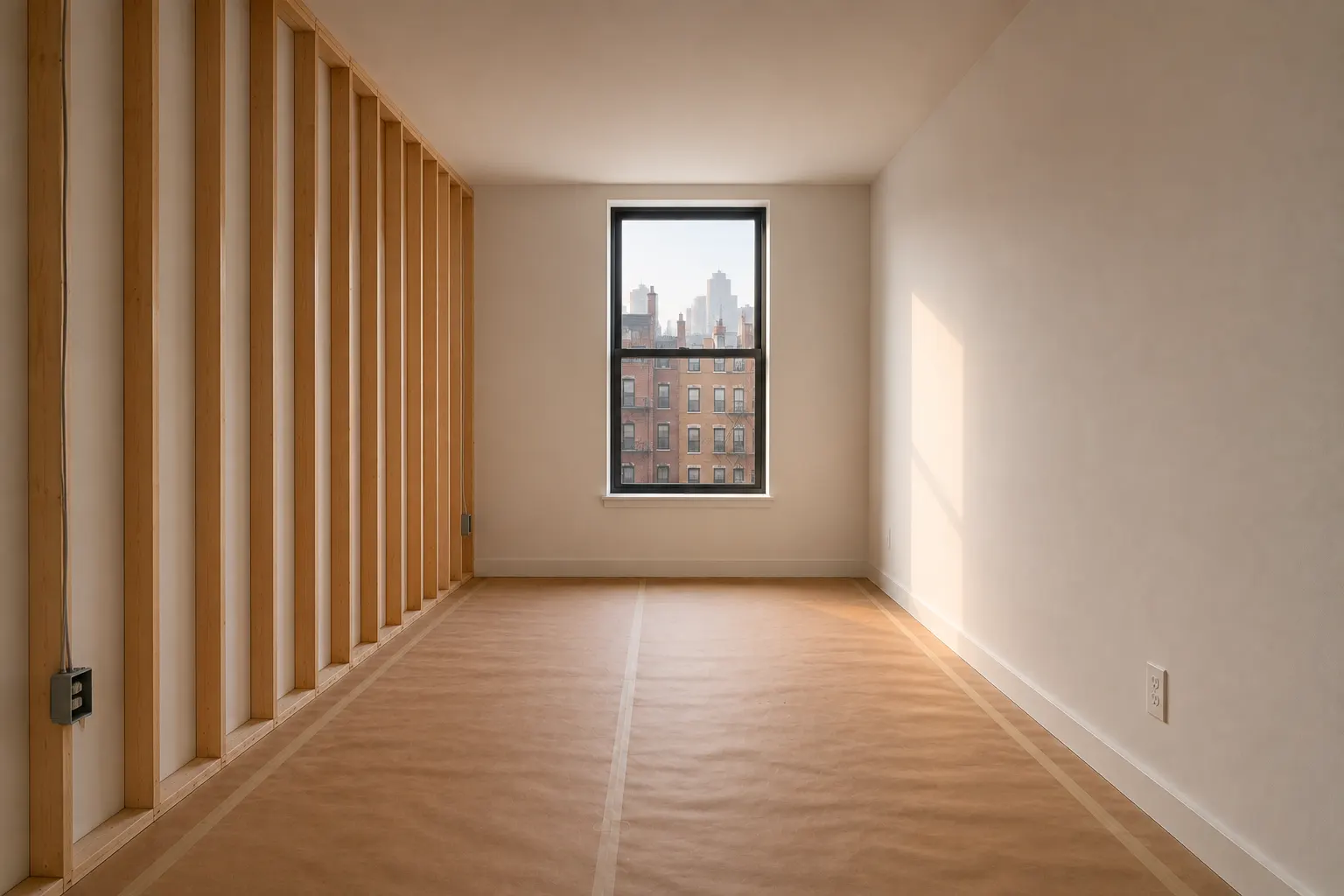
Outlet Height and Spacing: What the Code Actually Requires in New York City
Search for standard outlet height and you will find a confident number, usually 12 to 16 inches from the floor. It is a real number and electricians do work to it. It is also not a requirement. The receptacle sections of the electrical code govern ho