
The Secret Life of Light: How Lighting Can Make or Break a Room
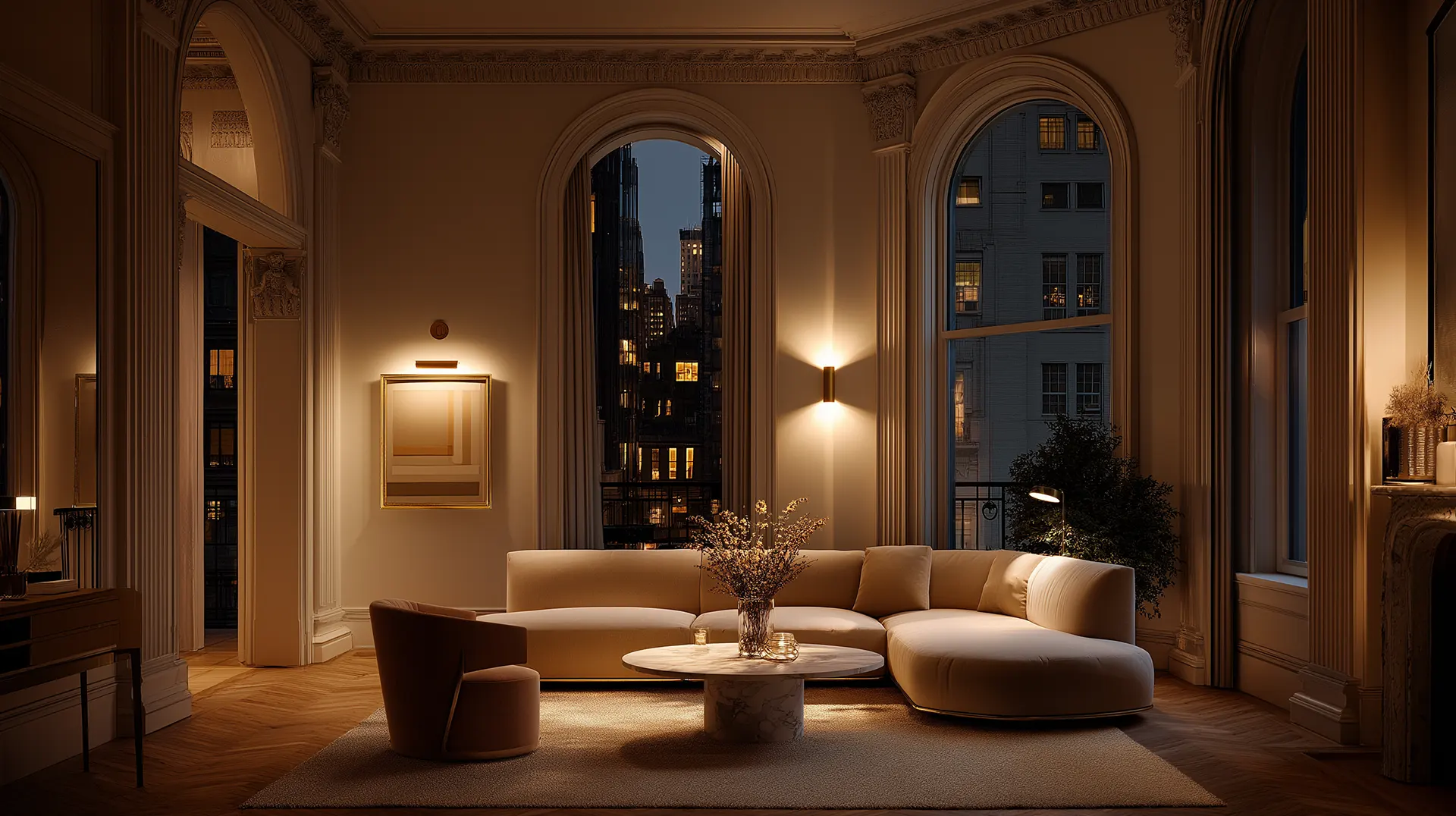
There is a particular kind of room that photographs beautifully and feels wrong the moment you step inside it. The furniture is right, the colors are considered, the proportions work on paper. But something is off, and it takes a moment to identify what. Almost always, it’s the light.
Lighting is the element that determines whether every other design decision succeeds or fails, and it is consistently the most underestimated one. A single overhead fixture in the center of a ceiling can make an elegantly furnished room feel institutional. The right combination of layered sources can make a modest space feel genuinely luxurious. The difference isn’t the room. It’s the light that reveals it.
Most homeowners treat lighting as the final item on a renovation checklist, something to be resolved after every other decision has been made. Professional designers treat it as a foundational element, planned from the beginning and coordinated with architecture, materials, and the way the space will actually be used across different times of day.
The Symphony of Light: Ambient, Task, and Accent Layers
Sophisticated lighting design works in three layers, each serving a distinct purpose and each essential to the whole.
Ambient lighting is the foundation. It provides the overall illumination that makes a room feel welcoming and navigable, without harsh contrasts or the pools of darkness that a single overhead source inevitably creates. In practice this might mean recessed ceiling fixtures on dimmer controls, a chandelier scaled appropriately to the room, or floor lamps positioned to wash walls with soft, even light. The defining quality of good ambient lighting is that you don’t consciously notice it. The room simply feels right.
Task lighting focuses on specific activities. Under-cabinet LED strips illuminate kitchen countertops for food preparation without casting shadows from overhead. Adjustable desk lamps provide the directed light that detailed work requires. Vanity lighting positioned at the sides of a bathroom mirror eliminates the unflattering shadows that overhead fixtures create at eye level. Task lighting doesn’t need to be visible as a design element. It needs to work precisely where and when it’s needed.
Accent lighting is where personality enters. A picture light over a significant piece of art. LED strips inside open shelving that make objects glow rather than sit. A wall sconce that draws attention to an architectural detail worth noticing. Accent lighting creates visual depth and establishes the focal points that give a room its sense of intention and layering.
The Psychology of Color Temperature
Understanding color temperature changes how you experience every room in your home. The measurement, expressed in Kelvin, describes the warmth or coolness of a light source, and its psychological effect is more significant than most people expect until they start paying attention to it.
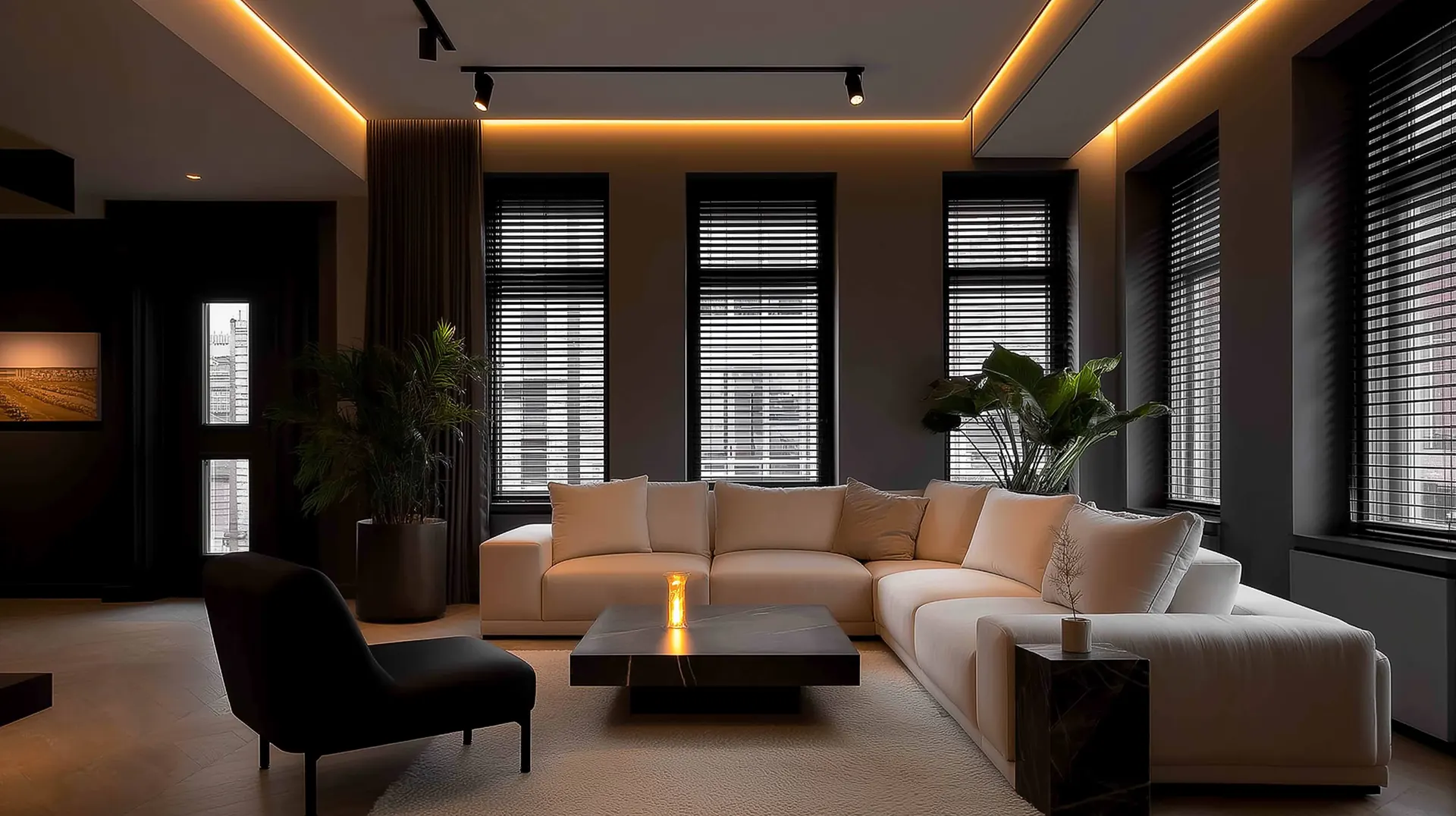
Warm light in the range of 2700K to 3000K mimics the quality of candlelight or late afternoon sun. It creates intimacy and ease, which is why it works so well in bedrooms, dining rooms, and living spaces used primarily in the evening. Cool light from 4000K to 5000K resembles bright daylight and promotes alertness and concentration, making it well-suited to kitchens, home offices, and any space where precision matters.
The most effective lighting designs use both, placing warm ambient light throughout a space while incorporating cooler task lighting where focus is required. More sophisticated systems allow color temperature to shift across the day, supporting natural energy patterns by delivering energizing cool light in the morning and transitioning toward warmth as evening approaches. In Manhattan apartments, installing such systems involves electrical work that may require permits and, in co-op or condo buildings, board approval if the scope affects wiring beyond fixture-level replacement. That coordination is worth building into the planning process from the beginning rather than discovering as a complication mid-project.
Bathroom Lighting: Where Function and Atmosphere Meet
The bathroom is where lighting design earns its keep most visibly. A single overhead fixture does two things poorly: it illuminates the room unevenly and it creates shadows at exactly the level where you need to see most clearly. The result is a space that feels clinical regardless of how beautiful its materials are, and a mirror experience that flatters no one.
Effective bathroom lighting combines at least three sources. Ambient light from recessed ceiling fixtures or a carefully selected pendant provides overall illumination. Task lighting at the vanity, most effectively from vertical sconces on both sides of the mirror rather than above it, eliminates shadows and provides the even, accurate light that grooming requires. Backlit mirrors achieve a similar effect and have the advantage of integrating the light source into the architecture of the space rather than adding separate fixtures.
Accent lighting in a bathroom rewards the materials used in it. LED strips beneath a vanity or within a niche create a floating quality that reads as distinctly considered. Wall-washing light directed at textured tile, stone, or plaster draws the surface into the room rather than leaving it as background. For both ambient and task sources in a bathroom, 2700K to 3000K is the appropriate color temperature range, warm enough to be flattering and comfortable while providing sufficient clarity for daily routines. Dimmer controls allow the same space to transition from bright and functional in the morning to soft and restorative in the evening.
Which Lighting Combination Works Best in Each Room?
The right combination of lighting layers varies by room function, but the principle of planning ambient, task, and accent sources together applies everywhere.
In the living room, ambient light from recessed fixtures or a central fixture on a dimmer provides the base. Reading lamps and floor lamps handle task needs. Wall sconces, picture lights, and LED strips on shelving add accent depth. The result is a room that can shift from bright and functional during the day to warm and atmospheric for an evening.
In the kitchen, recessed ambient lighting works alongside under-cabinet task lighting at the countertop and pendant fixtures over an island. Toe-kick LEDs and lit display cabinetry add accent layers that keep the space feeling considered at every hour. Good kitchen lighting makes cooking safer and more enjoyable and makes the space feel more welcoming for the people inevitably drawn into it.
In the dining room, a dimmable chandelier or pendant over the table anchors the space and controls the atmosphere. Wall sconces or buffet lamps add warmth and visual dimension around the perimeter. Task lighting is minimal in a dedicated dining room, though spaces that double as work areas benefit from a more flexible approach.
In the bedroom, warm overhead ambient lighting kept deliberately soft sets the overall tone. Bedside lamps or reading sconces provide task light that doesn’t disturb a sleeping partner. Cove lighting or under-bed LED strips add a layer of warmth and make the room feel more enveloping at the end of the day.
Can Lighting Visually Transform a Room Without Structural Changes?
Yes, and it is one of the most cost-effective interventions available in interior design.
To make a room feel larger, uplighting draws the eye toward the ceiling and makes the volume of the space feel more generous. Wall washers smooth out shadows and create even, receding planes that open the room visually. Light, reflective surfaces illuminated evenly read as more expansive than the same surfaces left in uneven shadow.
To make a room feel warmer, warm-temperature LEDs at 2700K combined with layered lamp and sconce sources on dimmers create the kind of light that makes a space feel inhabited and comfortable. Highlighting textural surfaces including wood, fabric, and plaster amplifies the warmth those materials already carry.
To make a room feel more considered and intentional, sculptural fixtures that read as design objects in their own right establish character. Accent lighting for art, architectural details, or shelving creates focal points that give the eye somewhere to go. Indirect lighting through cove or valance sources introduces a quality of light that reads as genuinely luxurious.
The New Minimalism: Why Quiet Luxury Is Replacing Maximalist Design
There is a particular kind of apartment that immediately stops you the moment you walk in, not becau
Feng Shui Apartment Layout: Room-by-Room Principles
Walk into most feng shui consultations and the problems are the same: blocked sightlines, a cluttere
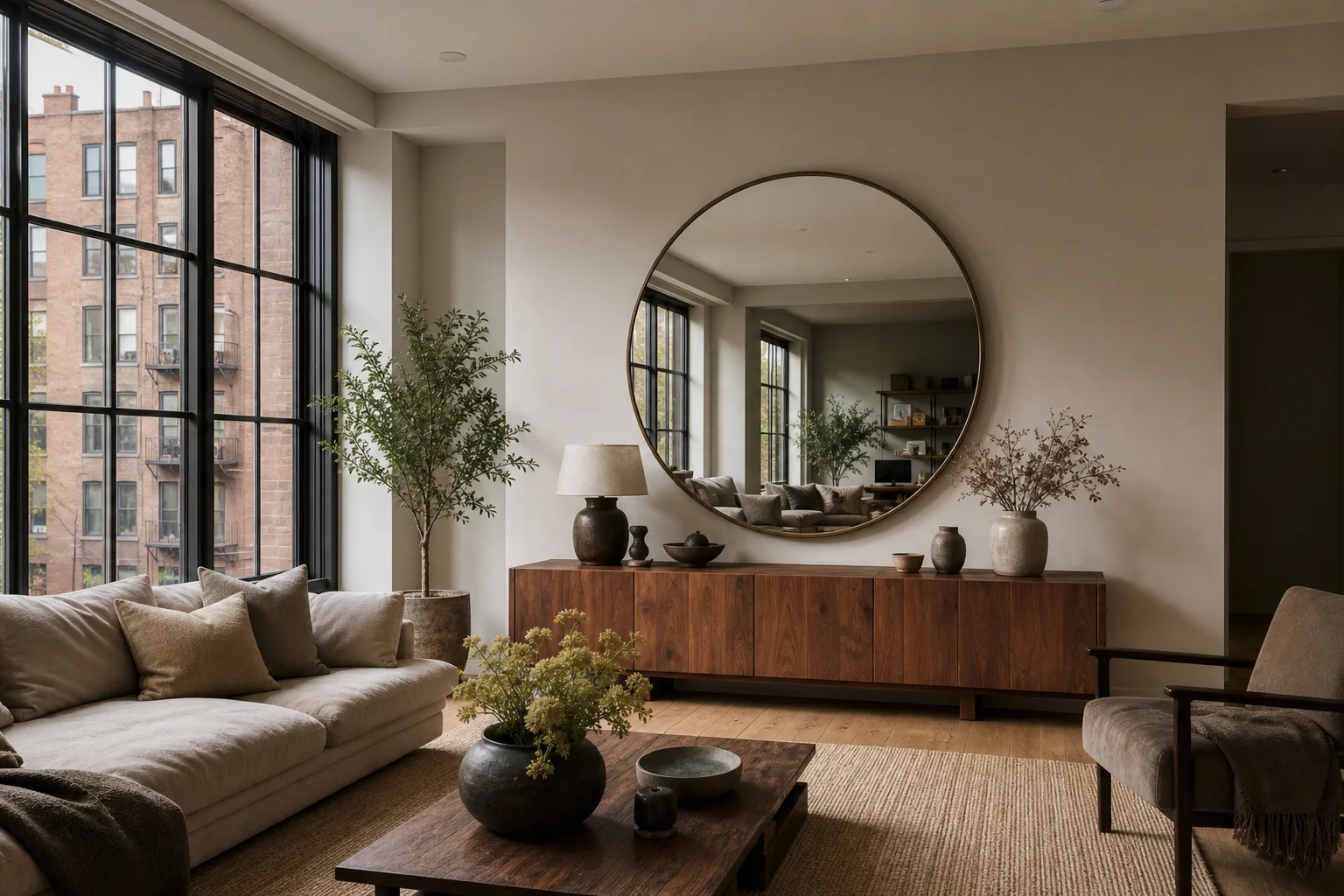
Where Feng Shui Puts Mirrors, Room by Room
Feng shui mirrors are a simple, high-impact element, but placement matters more than size or style.