

The Rise of Sustainable Renovation: A Guide to Eco-Friendly Upgrades
Something has shifted in how Manhattan homeowners think about renovation. Environmental responsibility has moved from a secondary consideration to a central one, and the conversation has matured well beyond recycling bins and energy-saving lightbulbs. Today’s most thoughtful renovations treat sustainability not as a compromise or a constraint, but as a design principle in its own right, one that produces spaces that are healthier to live in, more durable over time, and more considered in their relationship to the materials and energy they consume.
The good news is that eco-friendly renovation and beautiful design are not in tension. Low-VOC paints in deep, sophisticated tones. Reclaimed hardwood floors with a century of character embedded in their grain. Natural plaster finishes that breathe and regulate humidity in ways synthetic surfaces cannot. These are not consolation choices. They are increasingly the preferred ones.
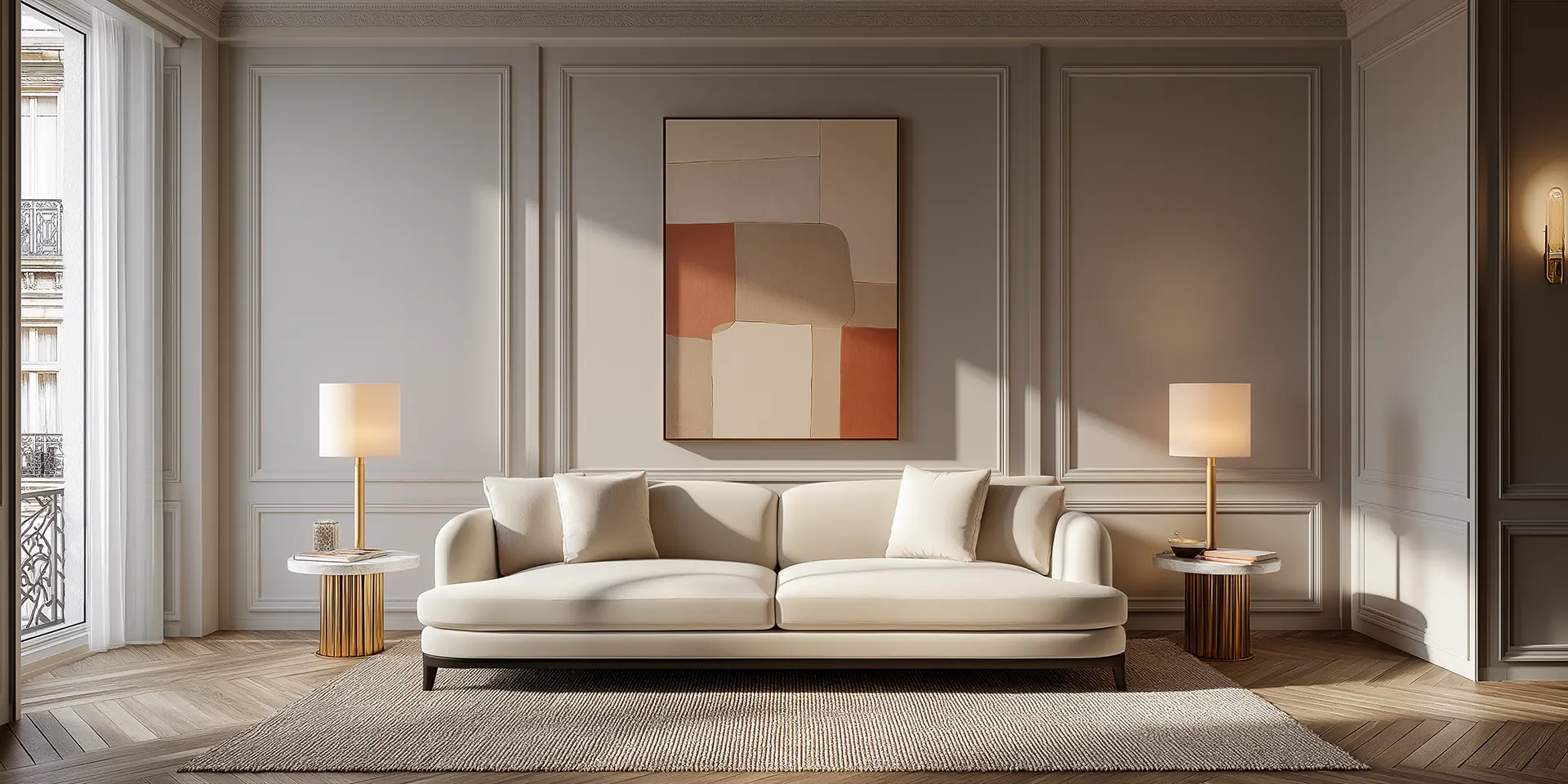
Smart Material Selection: The Foundation of Sustainable Renovation
Every sustainable renovation begins with materials, and the range of genuinely beautiful options has expanded considerably in recent years.
Bamboo flooring offers the warmth and visual quality of traditional hardwood while regenerating in three to five years rather than the decades required for oak or maple. Cork delivers comfort underfoot along with natural antimicrobial properties and a distinctive texture that reads as both contemporary and organic. Recycled glass countertops provide surfaces that are genuinely unique, since no two are identical, while diverting material from landfill. Reclaimed wood, whether in flooring, shelving, or millwork, brings the kind of depth and character that new material simply cannot replicate.
For finishes, low-VOC and zero-VOC paints have reached a quality level where there is no meaningful performance trade-off compared to conventional options. Natural plasters including limewash and clay finishes offer breathable wall surfaces with soft, organic texture. Water-based sealants replace solvent-based alternatives across most applications without compromising durability.
FSC-certified solid wood, natural stone, and recycled metal accents for hardware and fixtures round out a material palette that is as refined as it is responsible.
Energy Efficiency: Where Sustainability Meets Long-Term Value
Energy efficiency is where sustainable renovation tends to produce the most measurable financial return, and several upgrades are well-suited to Manhattan apartment living.
LED lighting is the most straightforward. Using significantly less energy than incandescent systems and lasting far longer, it’s a standard specification in any renovation worth the name. Smart thermostats that learn household patterns and adjust heating and cooling automatically offer meaningful efficiency gains in apartments where the HVAC system permits individual control.
It’s worth being direct about some commonly cited sustainable upgrades that are less applicable in the Manhattan context. Solar panels, while increasingly cost-effective in suburban and freestanding residential settings, are not a realistic option for the vast majority of Manhattan co-op and condo residents. Roof access is controlled by the building, and installation would require unanimous board approval in addition to significant structural assessment. Similarly, full heat pump system replacements in pre-war buildings typically involve shared infrastructure and require both board approval and DOB permitting before any work can proceed. Window replacement is another area where individual owners frequently have less autonomy than they expect. In most co-op and condo buildings, windows are part of the building’s common elements, and replacement requires board authorization and coordination with building management.
Within the scope of what an individual apartment renovation can achieve, the focus on materials, finishes, lighting, and fixtures produces genuine and lasting impact.
Reducing Environmental Impact During Construction
The construction process itself is an opportunity that sustainable renovation takes seriously. Experienced New York design and build firms now implement waste management programs that separate metal, wood, drywall, and other materials for reuse or proper recycling rather than routing everything to landfill. Dust control, responsible scheduling of material deliveries, and protection of neighboring units and common areas are all part of a construction approach that treats environmental consideration as a professional standard rather than an optional extra.
The deeper principle is building for longevity. Choosing durable materials and timeless design decisions that won’t require replacement in a few years is itself a form of sustainability, one that reduces the cumulative environmental cost of a home over its lifetime. Quality over quantity, considered over convenient, and built to last rather than built to trend.
Which Eco-Friendly Materials Work Best for a Stylish, Sustainable Renovation?
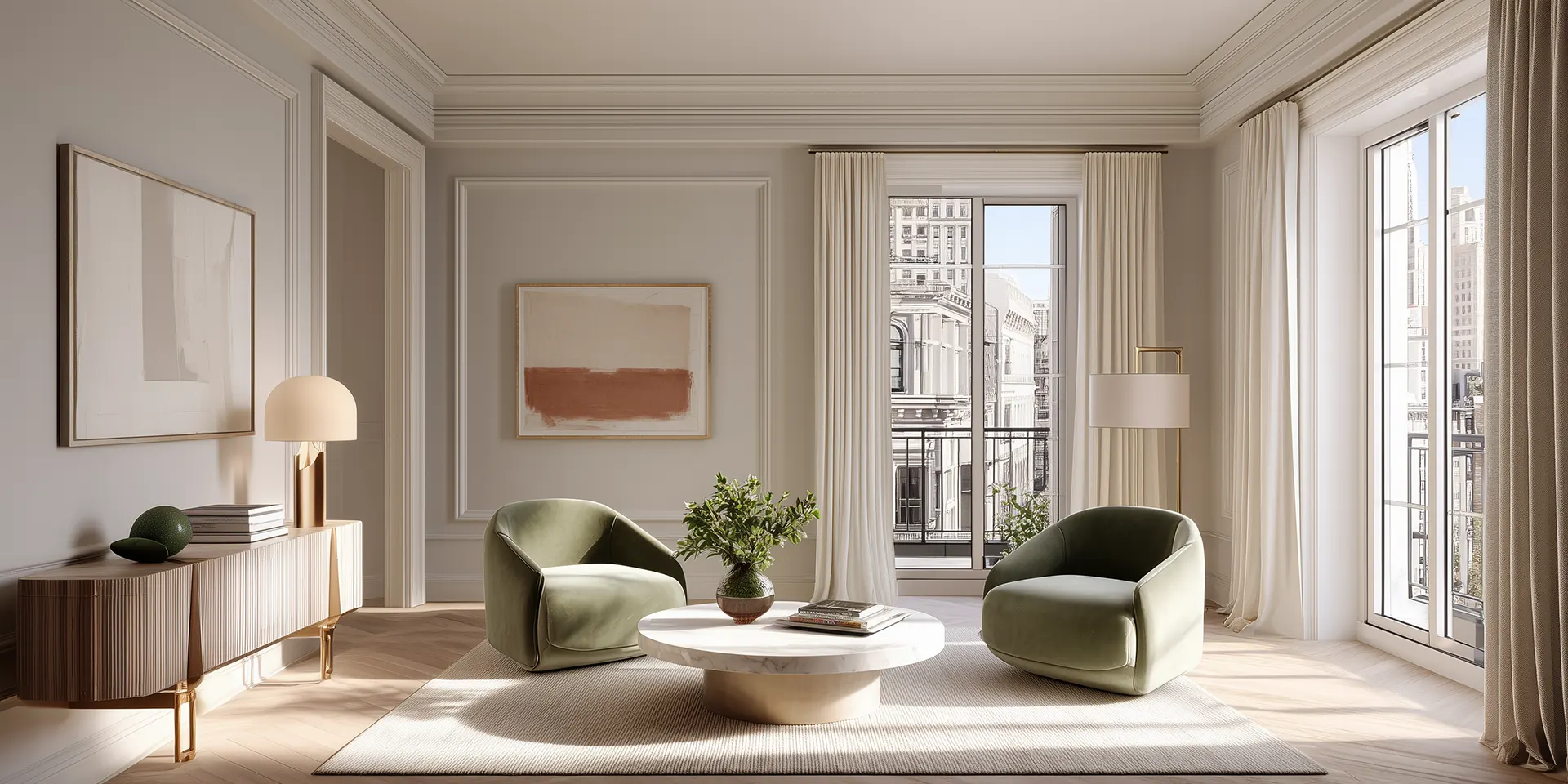
| Category | Materials | Key Benefit |
|---|---|---|
| Natural & Renewable | Bamboo flooring, cork, FSC-certified solid wood, natural stone | Rapid renewability, long lifespan, minimal chemical processing |
| Finishes | Low-VOC and zero-VOC paints, limewash, clay plaster, water-based sealants | Better indoor air quality, breathable surfaces, no solvent off-gassing |
| Recycled & Reclaimed | Recycled glass countertops, reclaimed wood flooring and millwork, recycled metal hardware | Material character alongside reduced environmental impact |
| Fixtures & Appliances | LED lighting, water-saving fixtures, induction cooktops, energy-efficient appliances | Lower utility costs, reduced energy and water consumption |
What Long-Term Benefits Does an Eco-Friendly Renovation Deliver?
The case for sustainable renovation extends well beyond environmental principle into practical, daily quality of life.
Indoor air quality is perhaps the most immediate benefit in a Manhattan context. Low-VOC paints, natural plasters, and toxin-free materials reduce off-gassing in spaces that are often compact and not always generously ventilated. The difference is perceptible, particularly for households with children, allergy sufferers, or anyone who spends significant time at home.
Natural materials regulate humidity and temperature more effectively than synthetic alternatives, producing spaces that feel more balanced across seasons. Over time, high-quality natural materials including stone, solid wood, metal, and lime plaster age with genuine beauty and require less replacement, reducing the long-term cost of maintaining the space.
Energy-efficient fixtures and appliances reduce monthly utility costs in ways that accumulate meaningfully over years. And in a market as discerning as Manhattan, sustainability credentials increasingly register with buyers, adding to a property’s appeal and competitive position at resale.
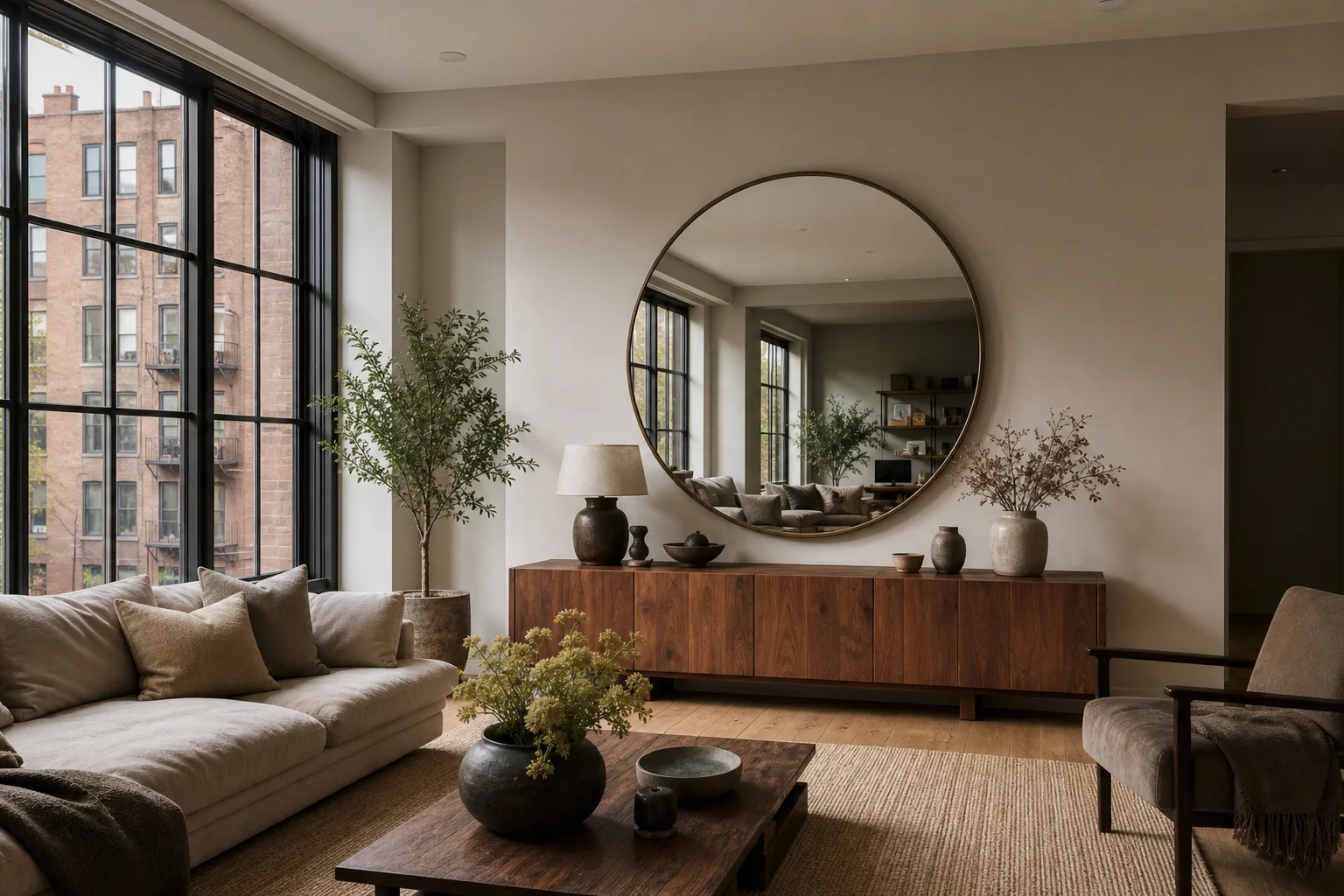
Where Feng Shui Puts Mirrors, Room by Room
Feng shui mirrors are a simple, high-impact element, but placement matters more than size or style.
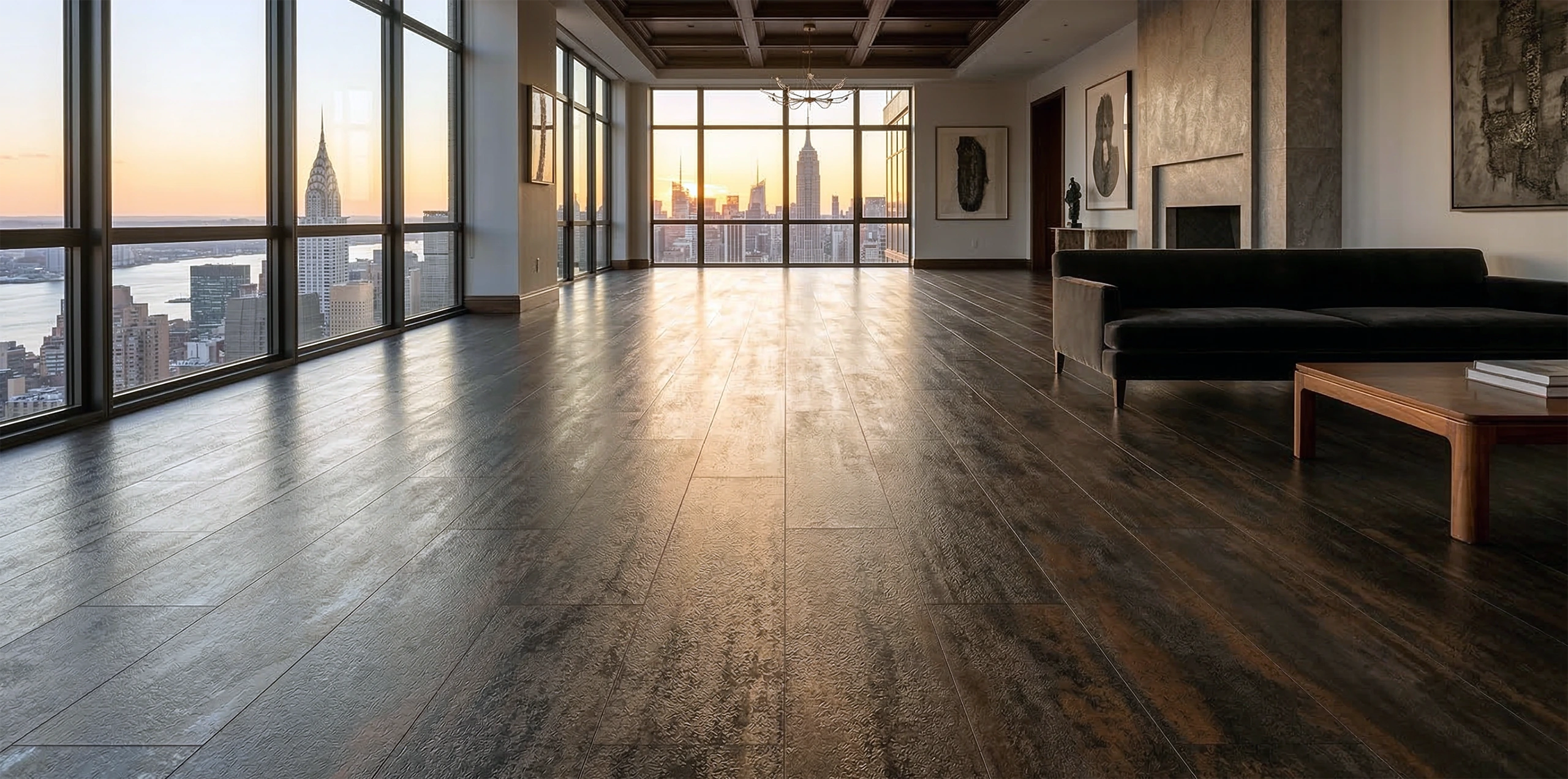
Vinyl Plank vs. Microcement: High-End Flooring in 2026
If you’re standing in a flooring aisle trying to work out what the difference is between all t
The New Minimalism: Why Quiet Luxury Is Replacing Maximalist Design
There is a particular kind of apartment that immediately stops you the moment you walk in, not becau