
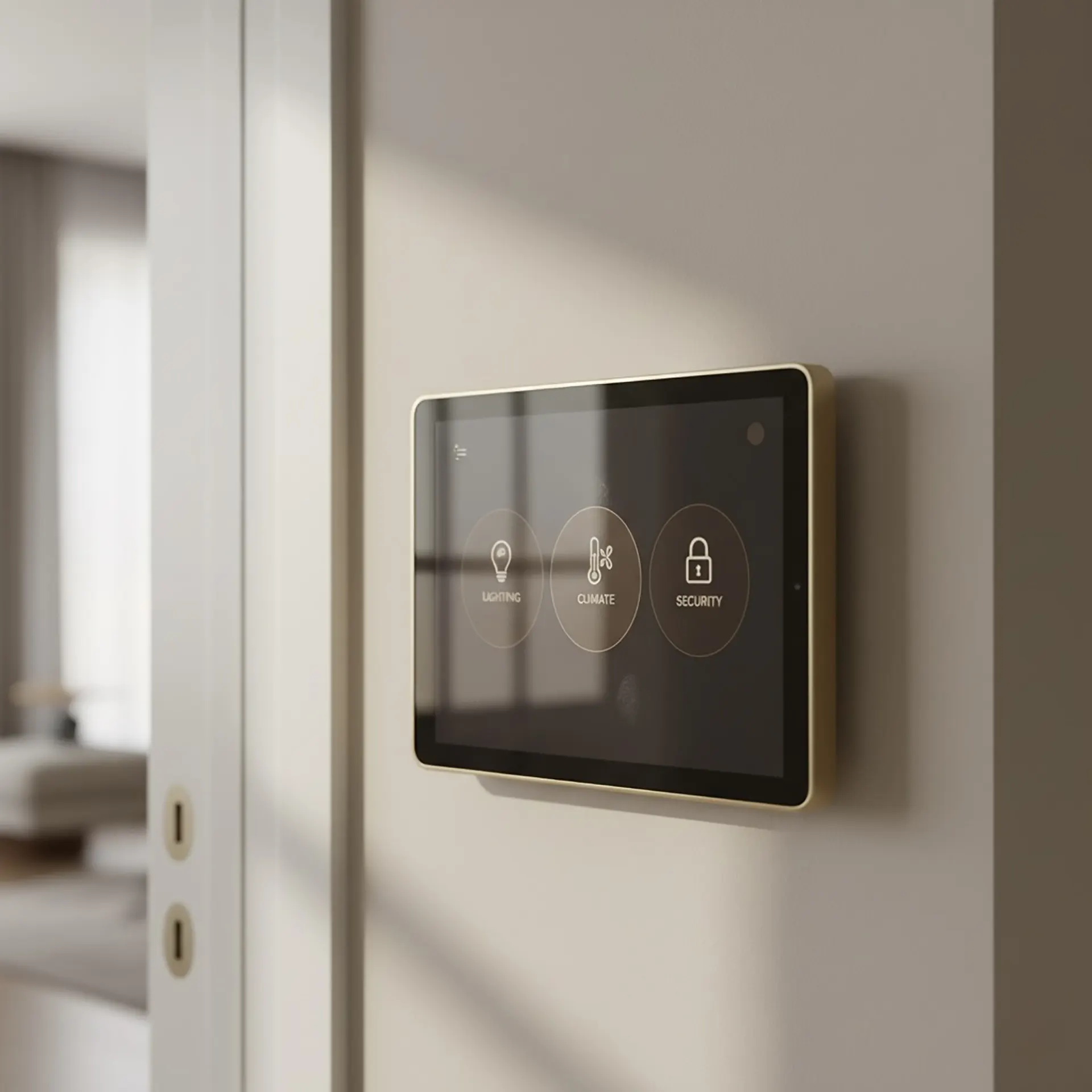
Smart Homes, Smarter Living: How to Integrate Technology Into a Manhattan Renovation
For a while, smart home technology promised more than it delivered. Voice-controlled lights that worked inconsistently. Thermostats with apps nobody wanted to learn. Devices that connected to each other only under specific conditions that changed without warning.
That’s mostly behind us now. When planned correctly during a renovation, smart home systems genuinely improve how a home functions day to day. The planning part matters more than most people expect, and in Manhattan it comes with building compliance considerations that most guides on the subject skip entirely.
1. Building the Right Infrastructure
The most common mistake is treating smart home technology as a shopping list rather than a system. The system needs a foundation, and the only practical time to build it correctly is during a renovation when walls are open.
Structured wiring means running ethernet cable to every room that will host devices, screens, or speakers. Wireless networks have improved, but a wired backbone is more reliable and more secure for the things that matter most. Strategically placed wireless access points connected to that backbone eliminate the dead zones common in larger Manhattan apartments and pre-war buildings with thick walls.
Additional electrical circuits installed while walls are open accommodate the increased load that smart home devices require. Extra conduit runs, even in spots where nothing is being placed immediately, preserve the option to add things later without reopening finished walls.
For co-op and condo residents: any electrical work beyond replacing existing fixtures requires a licensed electrician and NYC DOB permits, plus board approval in most buildings. Work affecting common walls or shared building infrastructure needs to be coordinated with building management beforehand. Many buildings also restrict running cables through common walls or connecting network equipment to shared building systems. These are planning-stage conversations, not mid-project discoveries.

2. Climate Control and Lighting
A smart thermostat that learns your schedule and adjusts automatically is one of the most straightforward and worthwhile technology upgrades available. Installation is generally simple in apartments with individual HVAC systems.
Zoned climate control is a different conversation. Many older Manhattan co-op and condo buildings have central heating managed at the building level, where individual apartment control is limited regardless of what thermostat is installed. Buildings with through-wall or fan-coil units have more flexibility, but modifications to HVAC systems typically require board approval, and work affecting shared infrastructure needs review by the building’s mechanical engineer. Understanding what your building’s system actually supports before designing around zoned climate control saves significant time and money.
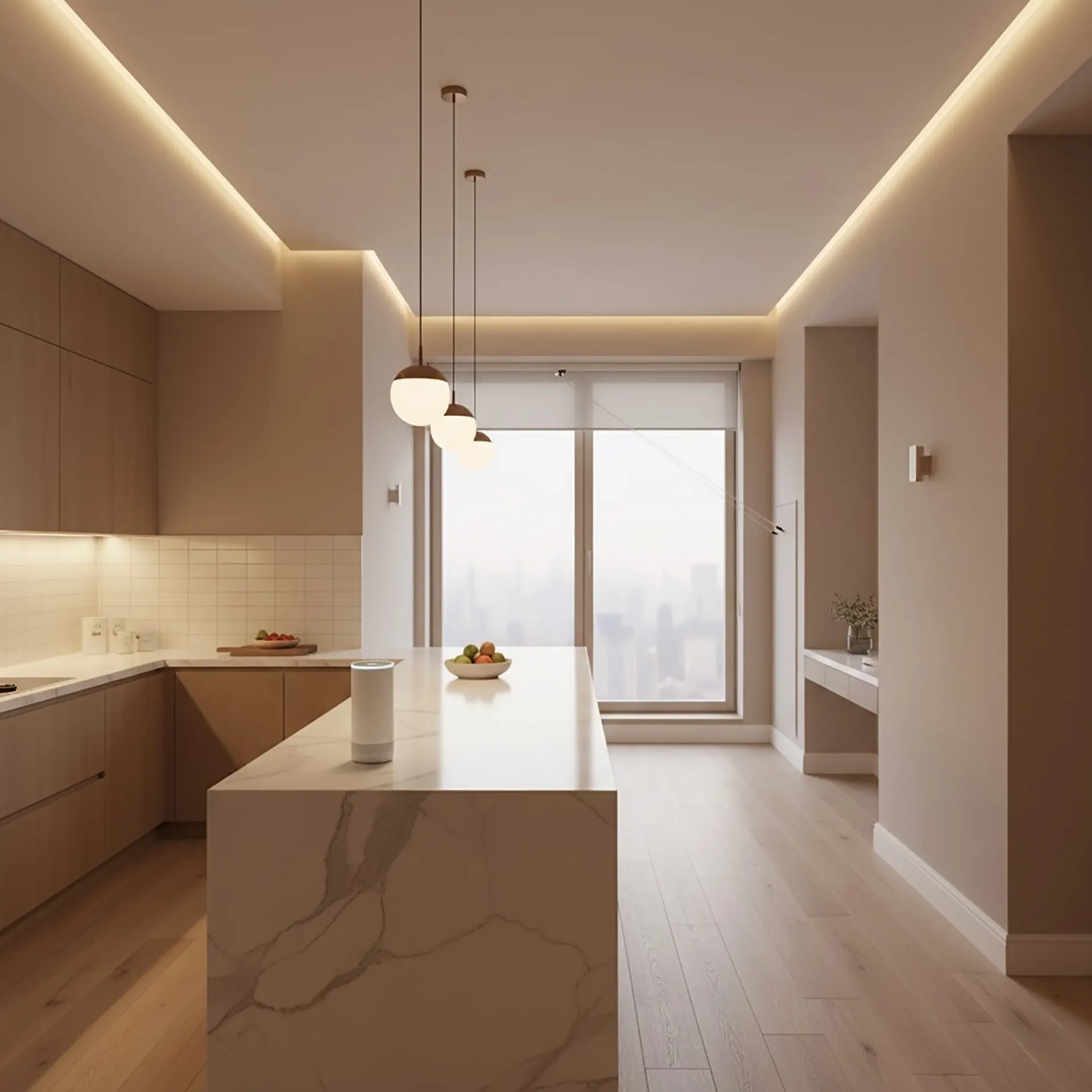
Smart lighting has the most immediate effect on how a home feels and is among the easiest systems to install. Systems that adjust color temperature across the day support natural sleep and energy patterns without any manual adjustment. Motion sensors handle lights in hallways and utility spaces automatically. Scene controls let a single command set the whole apartment for cooking, working, or winding down.
During a renovation with open walls, dedicated wiring for lighting controls produces the cleanest result. In existing spaces, smart switches that replace standard wall plates work well in most cases and don’t require permits in most building configurations.
3. Security and Monitoring
Smart locks, video doorbells, and leak sensors have become standard parts of well-planned renovations.
Smart locks on apartment entry doors are generally permitted, though some co-op buildings have restrictions tied to fire egress compliance. Video doorbells mounted within your own doorframe are typically straightforward. Cameras in common areas or building entrances require board approval in virtually all co-op and condo buildings.
Water leak sensors are particularly valuable in Manhattan apartments. A sensor under a sink or near an appliance that sends an alert when it detects moisture can prevent the kind of water damage that creates serious liability with downstairs neighbors. Simple detection sensors require no permits. Automatic shut-off valves that connect to the water supply are a different matter: any modification to plumbing supply lines requires a licensed plumber, and in co-op buildings, work affecting shared water systems requires board approval.
Mobile apps allow real-time monitoring and control from anywhere, but the smartest systems are the ones that require the least active management once set up correctly.
Core Smart Home Benefits:
- Efficiency: Automated climate control and lighting scheduling reduce energy use without manual effort.
- Security: Smart locks, leak detection, and video monitoring sized to what your building actually permits.
- Comfort: Circadian lighting and schedule-based thermostats adjust automatically to how you live.
- Future-proofing: Wiring and conduit built correctly during renovation supports upgrades without reopening walls.

The Secret Life of Light: How Lighting Can Make or Break a Room
There is a particular kind of room that photographs beautifully and feels wrong the moment you step
Elevating the Daily Routine: Shower Design That Actually Works
A shower is one of the most intensively used areas in any bathroom, which means its design has to so
The Ultimate Guide to Bathroom Tile Design: Ideas for Walls, Floors, and Showers
Tile is one of the design choices that stays with a bathroom for a very long time. Paint gets repain