

Before and After: A Kitchen Makeover that Will Inspire You
Some renovation projects are incremental. They improve what’s there, refine what’s working, add a layer of polish to a space that was already functional. And then there are the projects that change everything. This Manhattan kitchen makeover belongs firmly in the second category.
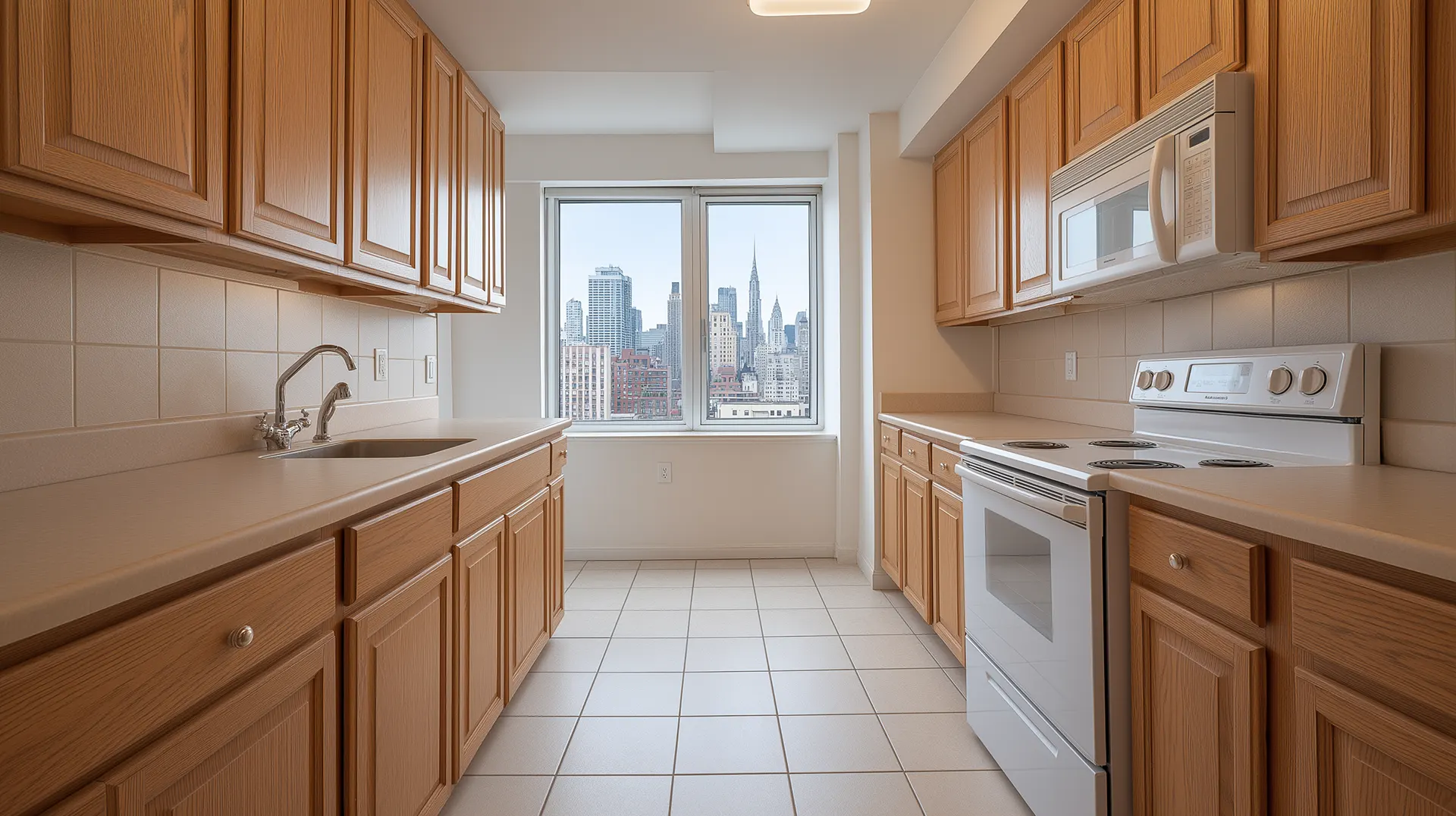
The before photographs tell a familiar story for anyone who has inherited a pre-renovation New York apartment. Honey oak cabinets, beige laminate countertops, fluorescent lighting that flatters nothing, and a galley layout so constrained that serious cooking required commandeering the dining table for prep space. The kitchen wasn’t just dated. It was working against the people living in it. What followed was a complete rethinking of what the space could be, and the result is the kind of transformation that makes it genuinely difficult to believe you’re looking at the same room.
The Transformation: From Cramped Galley to Open-Concept Hub
The project began with a thorough pre-construction assessment covering structural conditions, existing plumbing and electrical infrastructure, and the building’s requirements for the scope of work planned. In Manhattan co-op and condo buildings, layout changes that affect walls require board approval and NYC Department of Buildings permits before demolition begins. That process, handled by the design-build team from the outset, established the parameters within which the new layout was developed and ensured that every structural decision had the necessary authorization behind it.
With that foundation in place, the cramped galley gave way to an L-shaped layout anchored by a generous island that serves simultaneously as prep surface, breakfast bar, and storage. Custom cabinetry in crisp white extends to the ceiling, maximizing vertical storage while creating the kind of clean, uninterrupted line that makes a compact kitchen read as significantly larger than its footprint. Quartz countertops in a subtle marble pattern bring durability and elegance in equal measure. A subway tile backsplash with dark grout adds texture and visual definition without competing with the simplicity of the overall scheme.
The connection to the living area, achieved through the reconfigured layout, transformed not just the kitchen but the entire apartment’s sense of proportion. Both spaces feel larger because they now breathe together.
The Details That Made the Difference
Transformation at this level is always a compound effect. No single decision carries the whole project. It’s the accumulation of choices, each one considered in relation to everything else, that produces a result that feels inevitable rather than assembled.
Professional-grade stainless steel appliances were selected for both performance and spatial fit. A counter-depth refrigerator maintains the streamlined profile of the cabinetry run rather than interrupting it. The range hood, positioned and specified as a design element rather than an afterthought, anchors the cooking zone visually while handling ventilation properly.
Lighting was approached in layers. LED recessed fixtures replaced the fluorescent ceiling panel, providing clean, even ambient light throughout the space. Pendant lights over the island introduce warmth and visual focus at the height where it matters most for both task lighting and atmosphere. Under-cabinet lighting illuminates the countertop work surface directly, eliminating the shadows that make prep work unnecessarily difficult.
The flooring decision required particular attention. Wide-plank hardwood was selected to create continuity with the adjacent living area, a choice that significantly extends the perceived depth of both spaces. In Manhattan co-op buildings, flooring replacement requires board approval and compliance with the building’s acoustic standards, which typically specify a minimum sound-reduction rating for underlayment. The installation was specified and executed to meet those requirements, ensuring the result was as sound as it was beautiful.
Hardware in brushed gold runs throughout, providing warmth against the cool white cabinetry without pulling focus. Electrical outlets were planned into the design from the beginning rather than accommodated around it, a small discipline that makes an outsized difference in how polished the finished kitchen reads.
The Result
Where a cramped, poorly lit workspace once made cooking feel like a logistical challenge, there is now a bright, considered kitchen that has genuinely changed how the apartment is used. Meal preparation has become something the homeowners look forward to rather than work around. Dinner parties that would have been impossible in the previous layout are now a regular part of life in the apartment.
That shift, from a space that constrains to one that enables, is the real measure of a successful kitchen renovation. The photographs are compelling. The daily experience is better.
How to Budget for a Kitchen Renovation: What to Include and How to Plan
A thorough budget accounts for every category of work from the beginning. Core cost items include:
- Cabinetry in stock, semi-custom, or fully custom millwork
- Countertops in stone, quartz, or other premium surfaces
- Appliances
- Plumbing fixtures including sink, faucet, and filtration
- Lighting across ambient, task, and accent layers
- Electrical and plumbing work including upgrades and any utility relocation
- Flooring
- Backsplash materials
- Labor and installation from demolition through final detailing
- Permits and inspections based on the scope of work and NYC requirements
Beyond those line items, a contingency of 10 to 20 percent of the total budget is not optional in a Manhattan renovation context. Pre-war buildings in particular frequently reveal conditions behind walls that weren’t visible during initial assessment: outdated wiring, aging plumbing, unexpected structural elements. A well-scoped project with adequate contingency built in from the start avoids the disruption and delay that comes from discovering those conditions mid-construction without a plan.
What Should You Focus On When Planning a New Kitchen Layout?
A successful kitchen layout earns its keep every day, which means functionality and flow deserve as much attention as aesthetics.
Start with workflow and zones. Every kitchen needs a coherent relationship between cooking, prep, cleaning, storage, and serving. The classic work triangle remains a useful reference, but contemporary kitchens benefit more from thinking in clear activity zones that reflect how the household actually uses the space.
Appliance placement follows from that. The refrigerator should be accessible from both the cooking and prep areas. The dishwasher belongs adjacent to the sink. Oven and refrigerator doors should open without conflicting with each other or with traffic paths through the kitchen. Ventilation positioning is determined by the cooktop location and should be resolved early in the design process, particularly in NYC buildings where changes to ventilation infrastructure require DOB review.
Storage optimization means using every available dimension: vertical space through ceiling-height cabinetry, deep drawers with pull-out organizers, custom inserts for specific items, and island storage designed around what actually needs to live in the kitchen.
Circulation clearances matter more than most homeowners expect until they live with them. Walkways of 36 to 42 inches and island clearances of 42 to 48 inches prevent the bottlenecks that make a beautiful kitchen frustrating to use when more than one person is in it.
Lighting should be planned in three layers from the beginning: ambient lighting for the overall space, task lighting at every work surface, and accent lighting to add warmth and visual depth. Electrical and plumbing logic should minimize unnecessary relocations unless functionality genuinely requires them. Moving a sink or relocating a gas line adds cost and complexity. When those changes serve the layout meaningfully, they’re worth it. When they don’t, they aren’t.
Finally, design for the household that will actually use the kitchen. How often do you cook? How many people are typically in the space at once? Do you entertain regularly? Is a breakfast bar more useful than additional counter space? Those answers should shape every decision that follows.
The Future of the Sanctuary: Bathroom Design Trends and Inspiration for 2025–2026
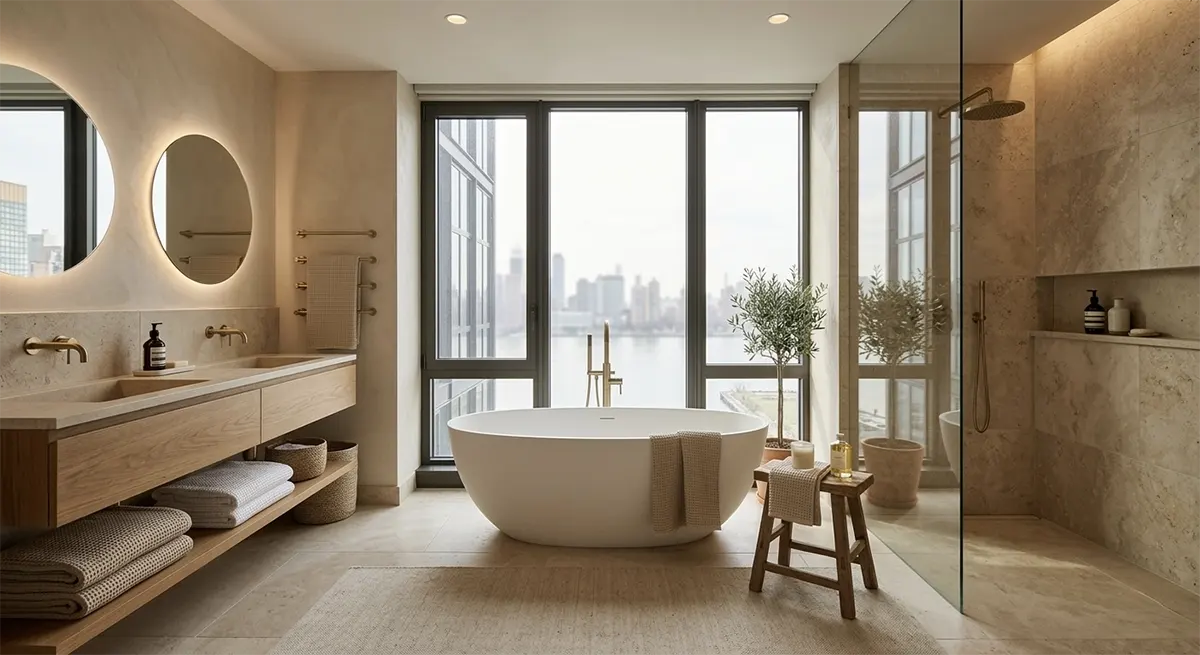
The bathroom has shifted from a purely functional room into a calibrated personal environment. It se
Elevating the Daily Routine: Shower Design That Actually Works
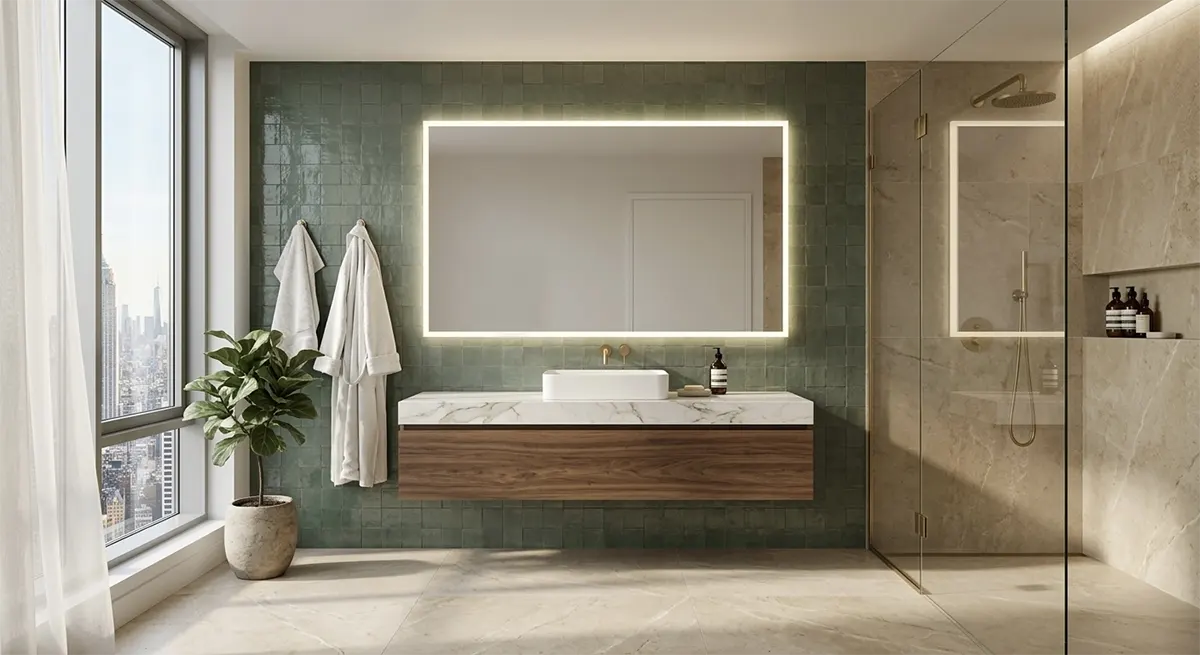
A shower is one of the most intensively used areas in any bathroom, which means its design has to so
Smart Homes, Smarter Living: How to Integrate Technology Into a Manhattan Renovation
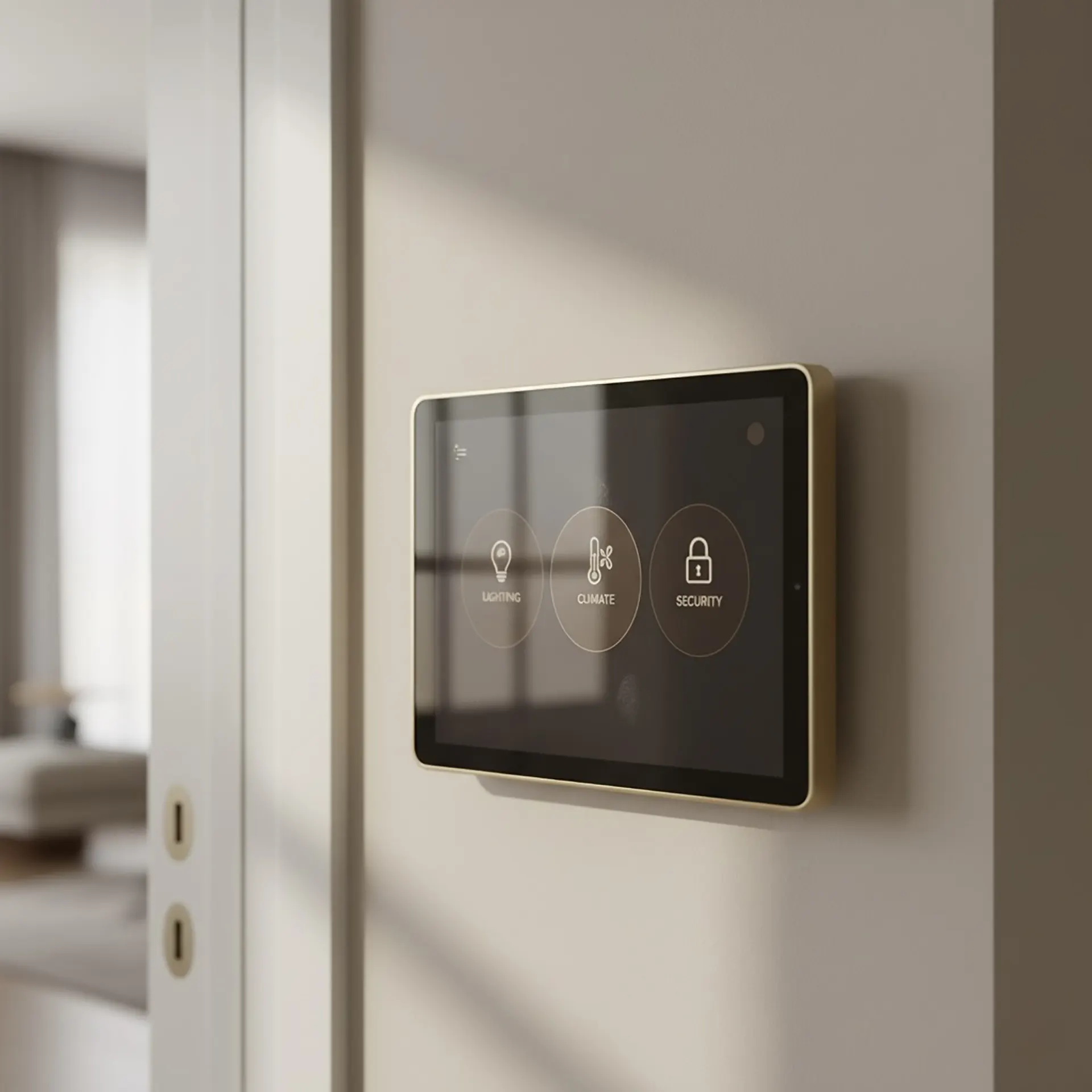
For a while, smart home technology promised more than it delivered. Voice-controlled lights that wor