

Waterproofing Bathrooms: Methods, Membranes, and Building Code Compliance
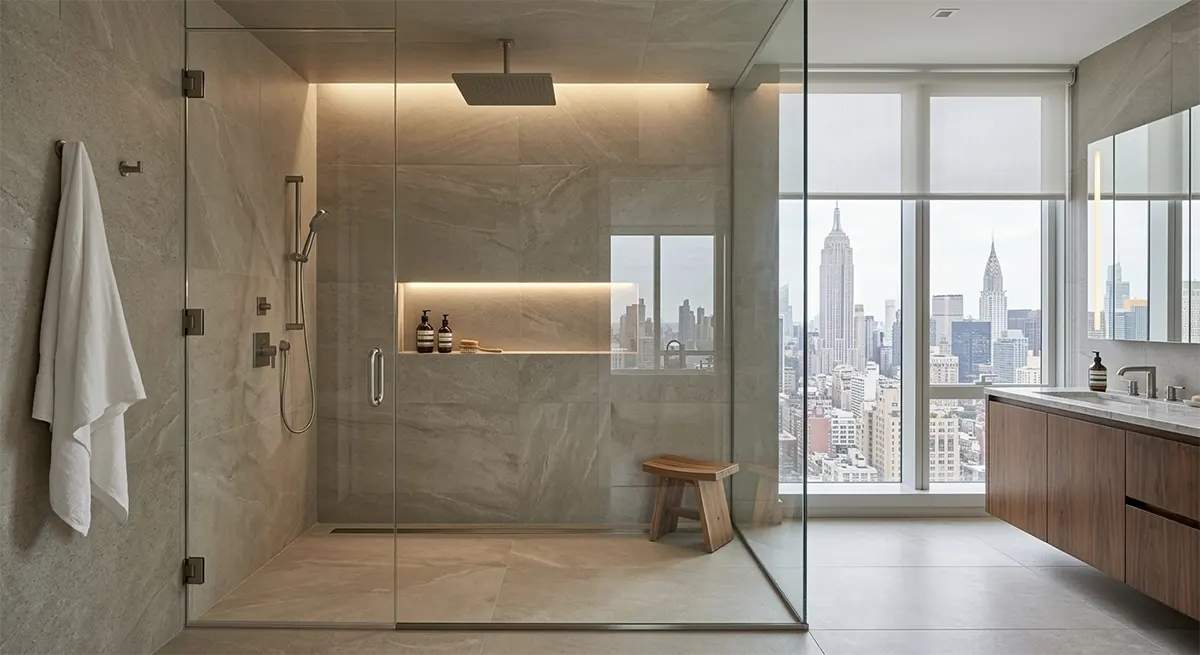
Tile may be the visible finish in a bathroom, but it isn’t what keeps water out. In multifamily buildings, waterproofing is infrastructure. A single leak can travel through slabs, service chases, and wall cavities, affecting neighbors, triggering insurance claims, and in regulated markets even leading to hearings with the Department of Buildings. In an apartment, waterproofing should be treated as a system that gets specified, installed, tested, and documented with the same discipline as electrical or mechanical work.
Why the risk is higher in shared structures
In a detached house, a leak is usually contained within the property. In a multifamily building, water follows gravity and structural pathways. It migrates laterally along slabs, drops through penetrations, and can appear several units away from its source. Older risers, uneven concrete, previous renovations, and unsealed legacy penetrations all increase that risk.
Even in new high-rise construction, a small installation mistake such as an incomplete seam or an improperly clamped drain can create a failure that stays invisible for months. By the time staining appears in the apartment below, remediation is far more complex and expensive than the original installation ever would have been. This is why waterproofing has to be defined clearly at the design stage and verified during construction rather than assumed.
Understanding the layered assembly
A properly built wet area isn’t a single product. It’s a layered system where every component depends on the others, and the tile and grout you see are only the surface.
Beneath them should sit a sound structural slab or approved subfloor, a correctly sloped mortar bed where one is required, a continuous waterproof membrane, a compatible drain assembly, reinforced seams and penetrations, and properly placed movement joints.
When one layer is weak, water finds it. Many failures happen because the membrane was treated as an accessory rather than as the core of the system. Successful teams design the whole assembly from substrate to drain and verify that every component is compatible with the others.
Liquid versus sheet membranes
Both liquid-applied and sheet membranes perform well when installed correctly, and the choice depends on the geometry of the space, the condition of the substrate, and the installer’s experience.
Liquid membranes conform easily to corners and transitions, which makes them useful in irregular spaces. They demand precise thickness, though, since too thin a coat develops pinholes and weak spots, and reinforcement at every change of plane is critical. Cure times have to be respected before moving to the next layer.
Sheet membranes offer factory-controlled thickness and predictable consistency, and when bonded properly to a prepared substrate they deliver uniform coverage. Their performance depends heavily on correct seam treatment and proper integration with the drain, and poor bonding or rushed seam work undermines them quickly.
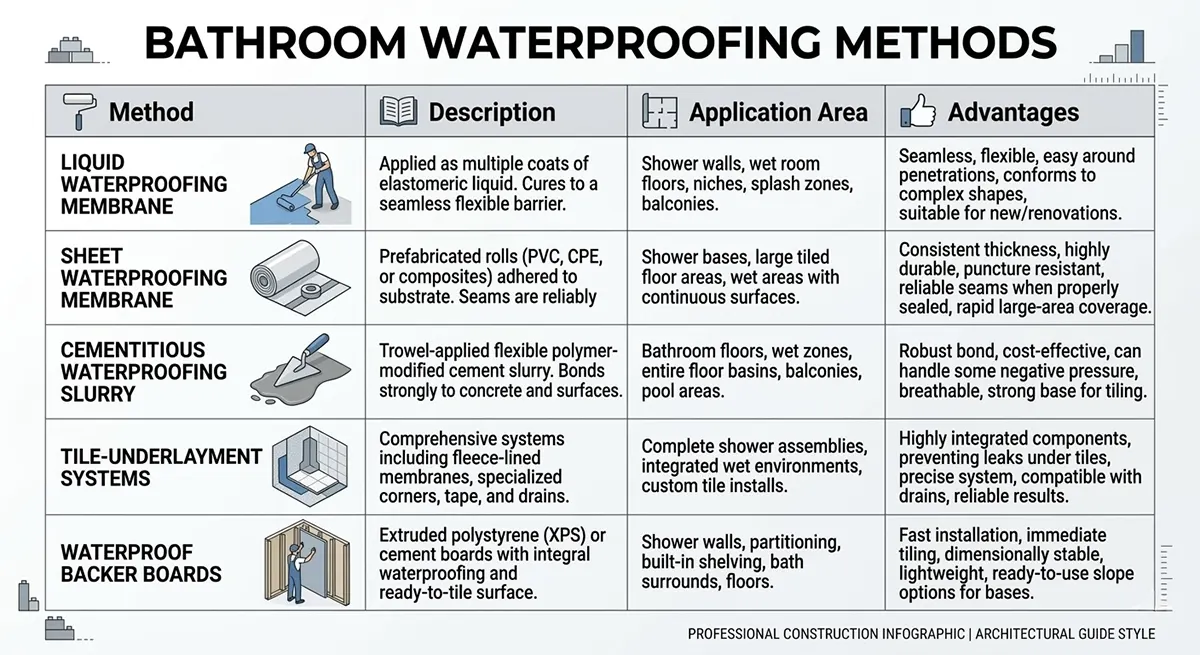
Whichever you choose, the safest approach is a complete manufacturer-approved system, where the membrane, drain, sealants, and accessories are all designed to work together. Mixing unrelated components increases risk and complicates inspections.
The shower pan, where most failures begin
Shower pans concentrate both water and movement, which makes them the most common source of disputes.
A correct installation starts with a clean, stable substrate. Where a mortar bed is used, it has to be pitched at least a quarter inch per foot toward the drain so water doesn’t collect beneath the tile. The membrane must extend continuously across the pan and turn up the surrounding walls above the finished curb height, and at the drain it has to be secured using the clamping or bonding method specific to that system.
Once installed, the pan gets flood tested before any tile is applied. This step is frequently rushed or skipped, and it’s the only way to confirm the system’s integrity before it disappears behind finished surfaces.
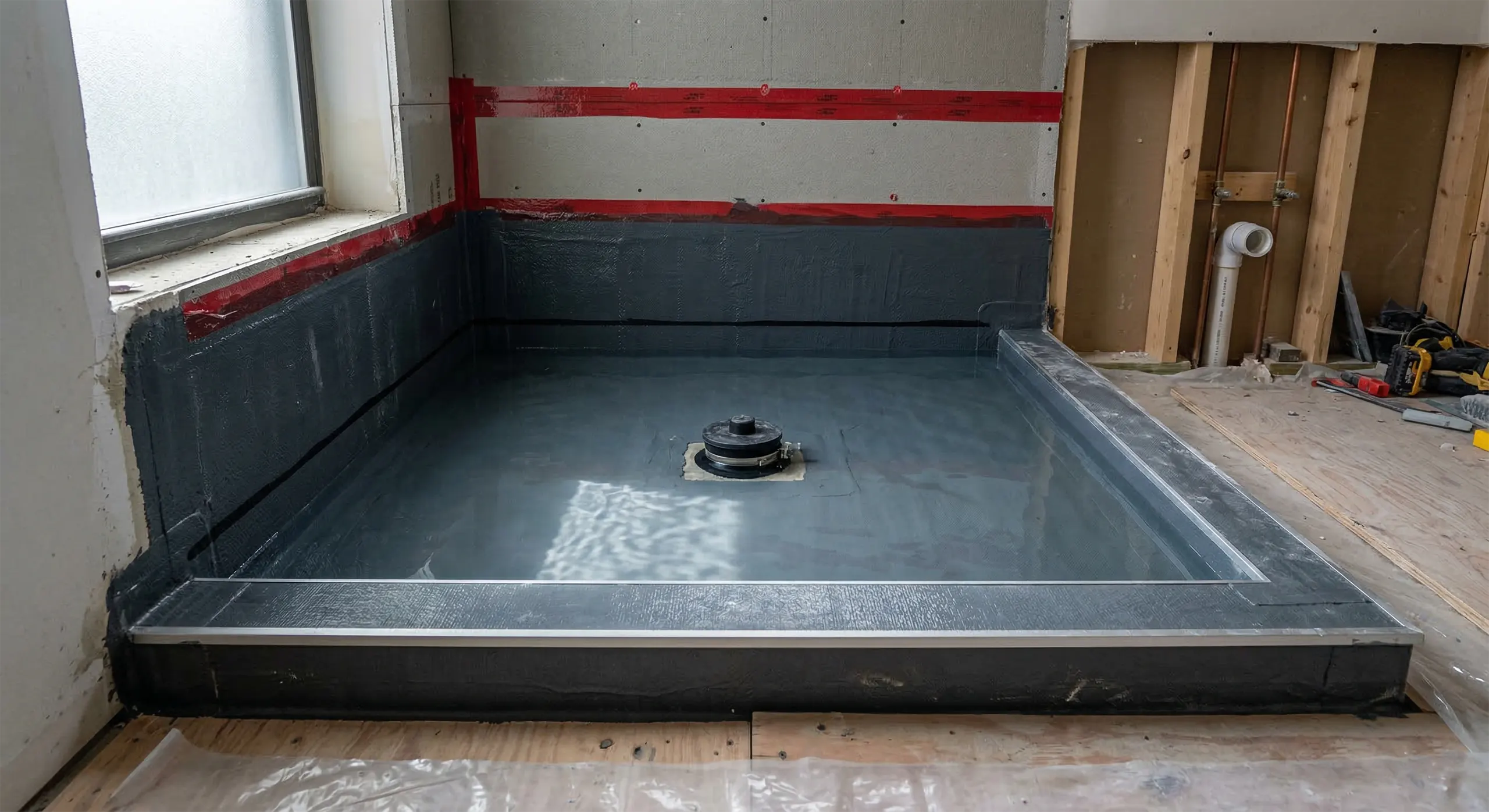
Skipping the pre-slope, using an incompatible drain, or omitting the test are predictable causes of hidden leaks. Each shortcut saves very little time and creates substantial long-term liability.
What the flood test actually requires
Since this is the step most often glossed over, it’s worth knowing the specification rather than relying on a contractor’s memory of it.
The NYC Plumbing Code addresses shower liner testing in Section 312.9. Where a shower floor or receptor is made watertight by an applied liner, the completed installation has to be tested. The drain pipe is plugged watertight, and the floor and receptor area are filled with potable water to a depth of not less than 2 inches measured at the threshold. Where no threshold of at least 2 inches exists, a temporary dam has to be built to hold the water to that depth. The water is retained for a test period of not less than 15 minutes, and there must be no evidence of leakage.
That 15-minute figure is the code minimum, and it’s worth understanding as a floor rather than a target. Most membrane manufacturers specify 24 hours, many experienced contractors run 24 to 72 hours on complex assemblies, and a longer hold is far more likely to reveal a slow seep than a quarter-hour test. Skipping the manufacturer’s stated duration can also void the warranty regardless of whether the code minimum was met. Specify the longer test in your scope of work, and coordinate the timing with the plumbing inspector, who may only be available on certain days.
Substrate preparation is not optional
A membrane bonds only as well as the surface beneath it. Cracked concrete, surface contaminants, uneven floors, or poorly fastened backer boards all compromise adhesion.
Concrete should be mechanically cleaned and, where required, primed according to the membrane manufacturer’s instructions. Cementitious backer units or approved tile backer boards belong in wet zones, and standard moisture-resistant drywall is not sufficient inside a shower enclosure.
Moisture testing of slabs and subfloors matters here too, since excess moisture beneath a membrane affects both bonding and long-term durability. Compare the results against the manufacturer’s published limits before proceeding.
Penetrations and transitions are where leaks start
Most leaks don’t occur across large open areas of tile. They occur at small details: pipe penetrations, mixing valve openings, lighting entries, thresholds, and movement joints.
Every penetration has to be reinforced and sealed as part of the membrane system, seams have to be continuous and properly bonded, and the membrane should run to logical termination points such as door thresholds and curbs without interruption.

Movement joints deserve equal attention. Large tile installations require properly placed expansion joints to prevent cracking and to keep stress from transferring into the membrane. Ignoring them compromises the whole assembly.
Testing and documentation
In a regulated market, installation quality has to be documented. Flood test the pan for the duration required by code or by the manufacturer, whichever is longer, and record it with dated photographs or video along with written confirmation of the water level before and after the test period.
Keep a project file containing membrane data sheets and drain specifications, batch numbers and installation instructions, and the licensed contractor documentation your project requires.
On that last item, it’s worth being specific about what it means in New York. Plumbing work here must be performed under a licensed master plumber, and the DOB’s sign-off process relies on statements filed by that licensed professional attesting that the work was performed in accordance with the approved plans and the code. In practice this means the plumber of record, not your general contractor, is the person whose license and signature carry the plumbing inspection and sign-off. Confirm at the outset who holds that role on your project and that they are the one filing, because a project can otherwise reach completion with finished work that can’t be signed off.
These records streamline inspections and protect owners if a dispute or insurance claim arises later.
Common failure patterns
Most waterproofing failures aren’t mysterious. They come from insufficient membrane thickness, a lack of reinforcement at corners, flat pans that allow water to pond, incompatible products used together, and missing flood tests.
Prevention is equally unmysterious: follow the manufacturer’s coverage requirements, build a proper slope, use a compatible drain system, reinforce every transition, and test before finishing. These measures add modest cost during construction and prevent remediation that, in a multifamily building, can extend well beyond your own unit.
Cost versus risk
Waterproofing represents a relatively small share of a bathroom renovation budget while carrying disproportionate consequences when it’s done poorly. Investing in a proven membrane system, a compatible drain assembly, and a documented testing protocol is straightforwardly rational. Economizing in this category regularly produces repair costs many times larger than the original saving.

A practical mindset
Before demolition begins, confirm the exact membrane system, the drain model, and the testing protocol including duration. During construction, document substrate preparation and membrane installation. At completion, archive the flood test records and product documentation.
None of this is administrative busywork. It’s part of responsible construction practice in a shared building, where waterproofing protects the structure, your neighbors, and the long-term value of the apartment. Treated as infrastructure rather than decoration, it’s among the most important investments in the entire renovation.


Buying to Renovate: What to Look for Before You Sign
In New York City, buying to renovate is as exciting as it is risky. A pre-war apartment full of char
What Fits in the Elevator Decides the Kitchen
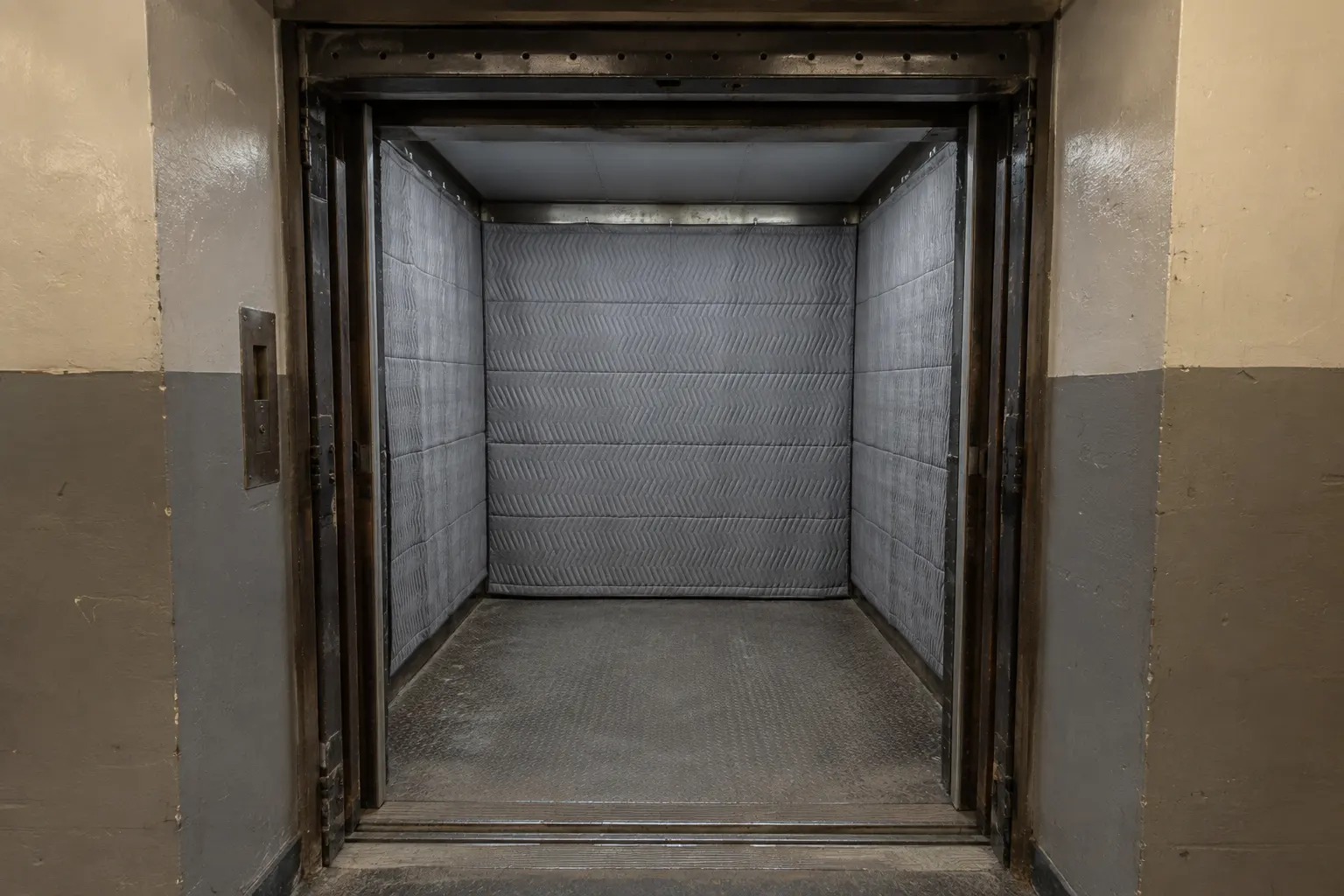
A countertop that stops at the last turn in the corridor is a routine failure in this city, familiar

Bathroom Clearances: The Legal Minimum and What Works
Bathroom dimensions are one of the few parts of a renovation where the code gives you hard numbers r