

Future-Proofing Your Renovation: Materials That Will Still Look Great in 20 Years
The difference between a renovation that dates and one that doesn’t usually comes down to material selection, not budget. Homeowners who focus on proven materials and balanced layouts tend to end up with spaces that stay relevant through multiple rounds of trend cycles, without needing to touch them again.
Future-proofing a renovation means choosing materials that improve with age, proportions that work regardless of what is fashionable, and finishes that develop character rather than just showing wear. Given what a full gut renovation costs in New York City, those choices matter financially as much as aesthetically.
In co-ops and condos specifically, material quality has a direct effect on resale. Appraisers and prospective buyers look closely at finishes, and boards review everything. A renovation built on solid natural materials consistently supports stronger valuations than one built around a trend that has since passed. Timeless materials are a financial decision as much as a design one.
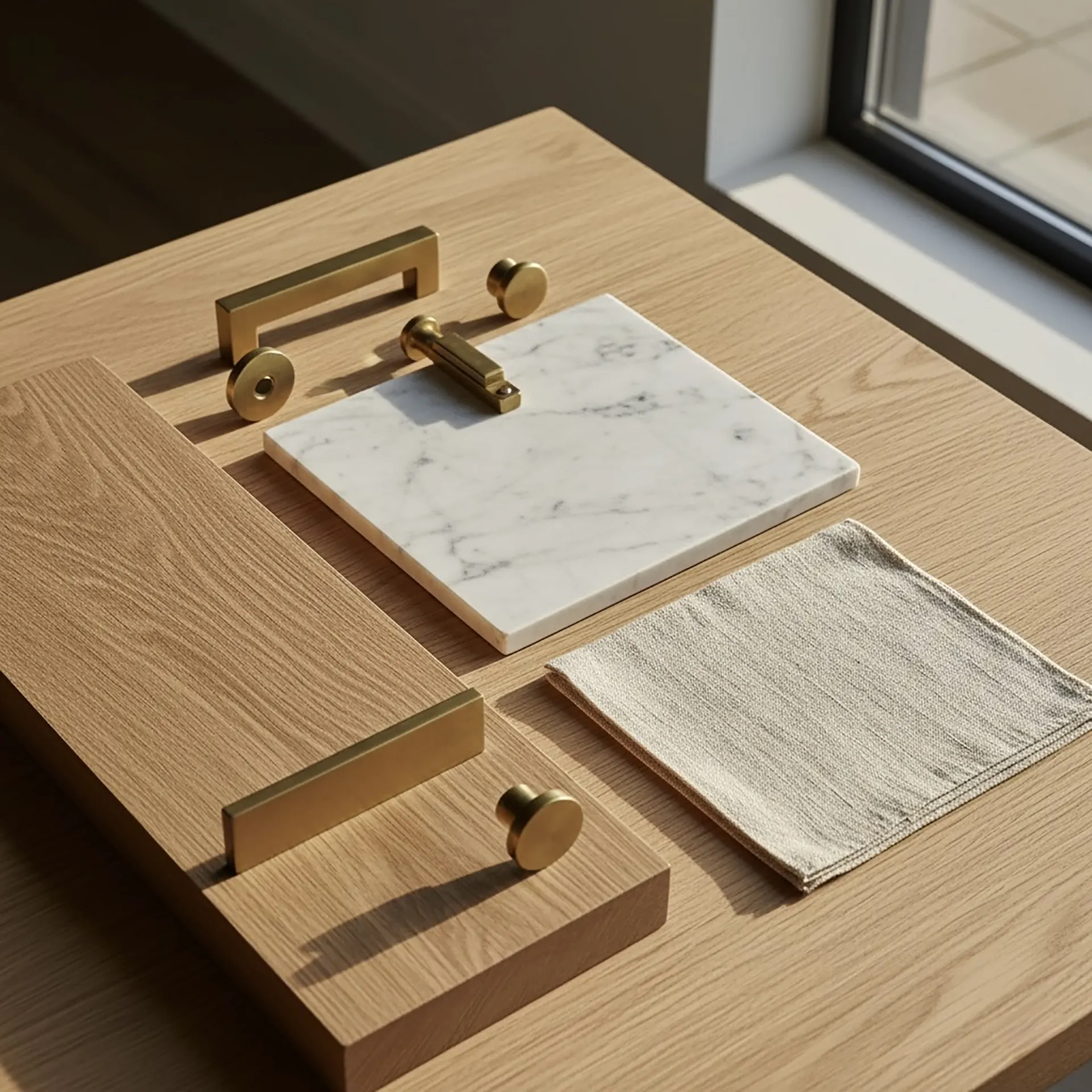
Natural Materials: The Foundation of Timeless Design
Natural materials are the most reliable foundation for a long-lasting interior, and the reasons are practical rather than purely aesthetic. They come from the earth, they can be repaired instead of replaced, and they tend to gain character with use rather than simply wearing out.
Hardwood floors in oak, maple, or walnut can be refinished multiple times over the life of an apartment, adjusting to new decor while holding their warmth. In Manhattan co-ops and condos, floor refinishing is one of the more regulated renovation activities a homeowner will encounter. The process generates significant dust and noise, most buildings require advance notice to the board, and work must fall within permitted hours. Once complete, the floor must also continue to meet the building’s acoustic requirements, typically a minimum IIC rating set out in the alteration agreement. None of this makes refinishing impractical, but it requires planning rather than a last-minute decision.
Natural stone, including marble, granite, quartzite, and travertine, ages in a way that reads as richness rather than wear. It is heat-resistant and durable enough to last generations, and most varieties can be re-polished or restored when scratches or dullness appear. Stone has been used in residential interiors for centuries for a simple reason: it performs.
Solid wood cabinetry in classic profiles remains adaptable over time. It is stronger and more dimensionally stable than particleboard or MDF, and it can be sanded, repainted, or restained multiple times without losing structural integrity, easily updated with new hardware long before the boxes themselves need replacing.
Natural tile, such as limestone, travertine, and terracotta, is dense and repairable, and it develops a patina over time that tends to look intentional rather than tired. It works particularly well in bathrooms, foyers, and other accent areas.
Metal accents in brass, stainless steel, or bronze round out a durable material palette. They resist rust, hold up well in hardware and fixtures, and in the case of brass and bronze, develop a patina that improves with age rather than degrading.
What to Look for When Evaluating Materials for Longevity
Not all materials perform equally over time, and the indicators that separate a lasting investment from a false economy are mostly practical rather than visual.
Thickness and density determine how much wear a material can absorb before it shows damage. Solid hardwood floors can be sanded and refinished repeatedly, while thin engineered versions often cannot. Thicker stone slabs hold up better under daily use and are easier to restore. Through-body porcelain tile hides chips far better than surface-glazed alternatives, and thinner veneers or softer wood species rarely hold up as well in high-traffic areas as their specifications suggest.
Repairability is one of the clearest tests. Wood, stone, and solid brass can be maintained and restored when they show wear. Most synthetic alternatives have to be replaced entirely once they fail, which they eventually do.
Moisture and heat resistance matter most in kitchens and bathrooms, where materials that warp, swell, or discolor under normal daily use become problems quickly.
Structural stability in cabinetry, achieved through quality plywood or hardwood cores and proper joinery, prevents the cracking and movement that cheaper construction tends to show within a few years.
Hardware quality is easy to overlook and hard to fix later. Solid brass or stainless steel mechanisms on cabinetry and doors will last decades, while plated finishes tend to wear through within a few years in high-use areas.
A proven track record is the simplest test of all. Materials that have been used in residential interiors for decades, and have aged well under real conditions, are a safer bet than newer alternatives with limited history behind them. The most expensive option is not automatically the right one, but the cheapest rarely holds up long enough to justify the initial saving.
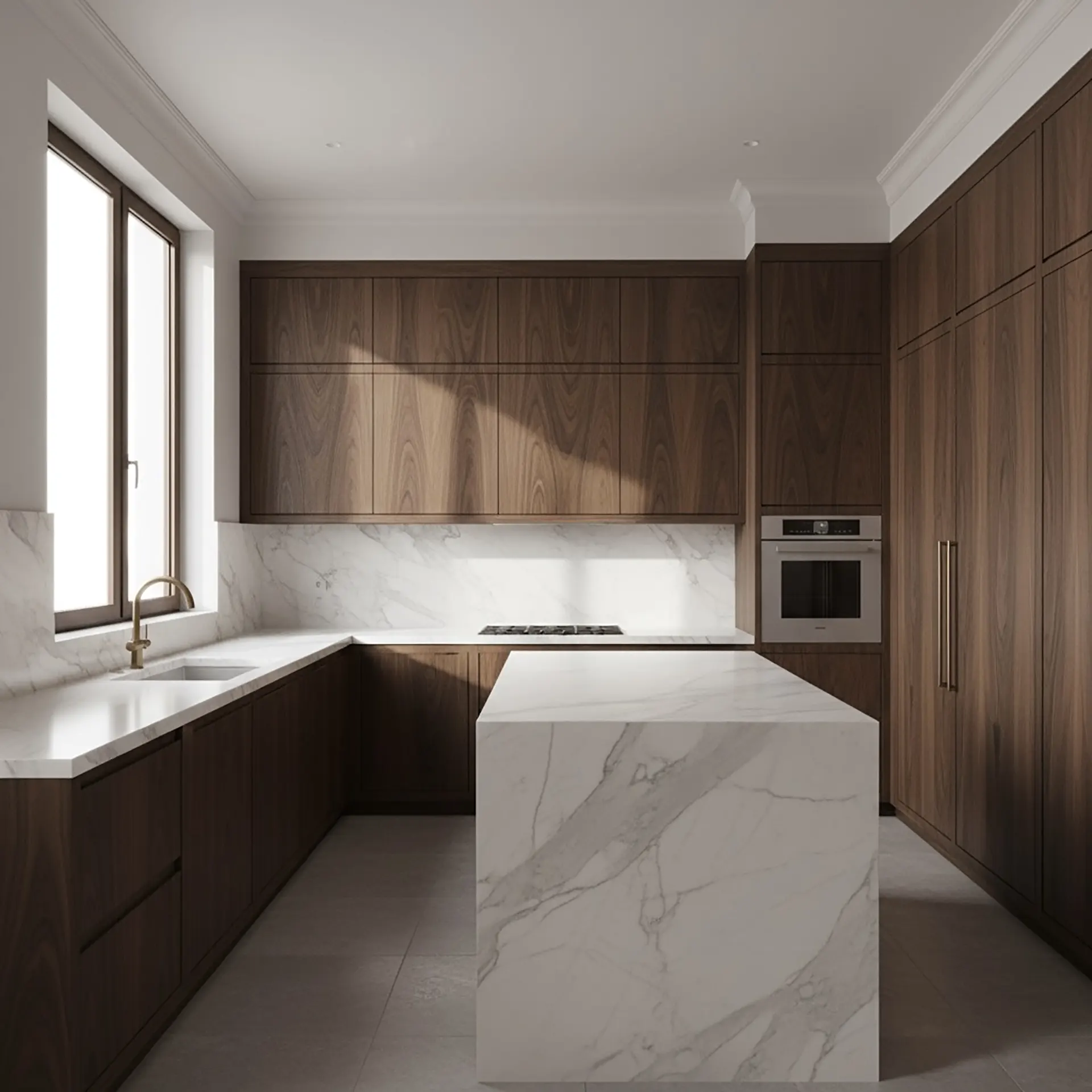
Proportions and Layout: What Actually Makes a Space Feel Timeless
Well-proportioned rooms with logical layouts outlast any particular finish or color scheme. A kitchen designed around clear, functional zones for prep, cooking, and storage will serve a household well regardless of what cabinetry style is in favor at any given moment. Thoughtful traffic flow and adequate storage are harder to add later and more valuable than almost any decorative choice made at the time of renovation.
During renovation projects in New York City, experienced designers consistently recommend spending the largest share of the budget on structure, proportions, and core materials. Decorative finishes can be updated relatively affordably as preferences shift. The decisions that are genuinely difficult and expensive to reverse are the ones worth getting right from the start.
Natural materials can generally be repaired when they fail. Synthetic ones usually need full replacement. Over the life of an apartment in New York City, that difference adds up considerably.
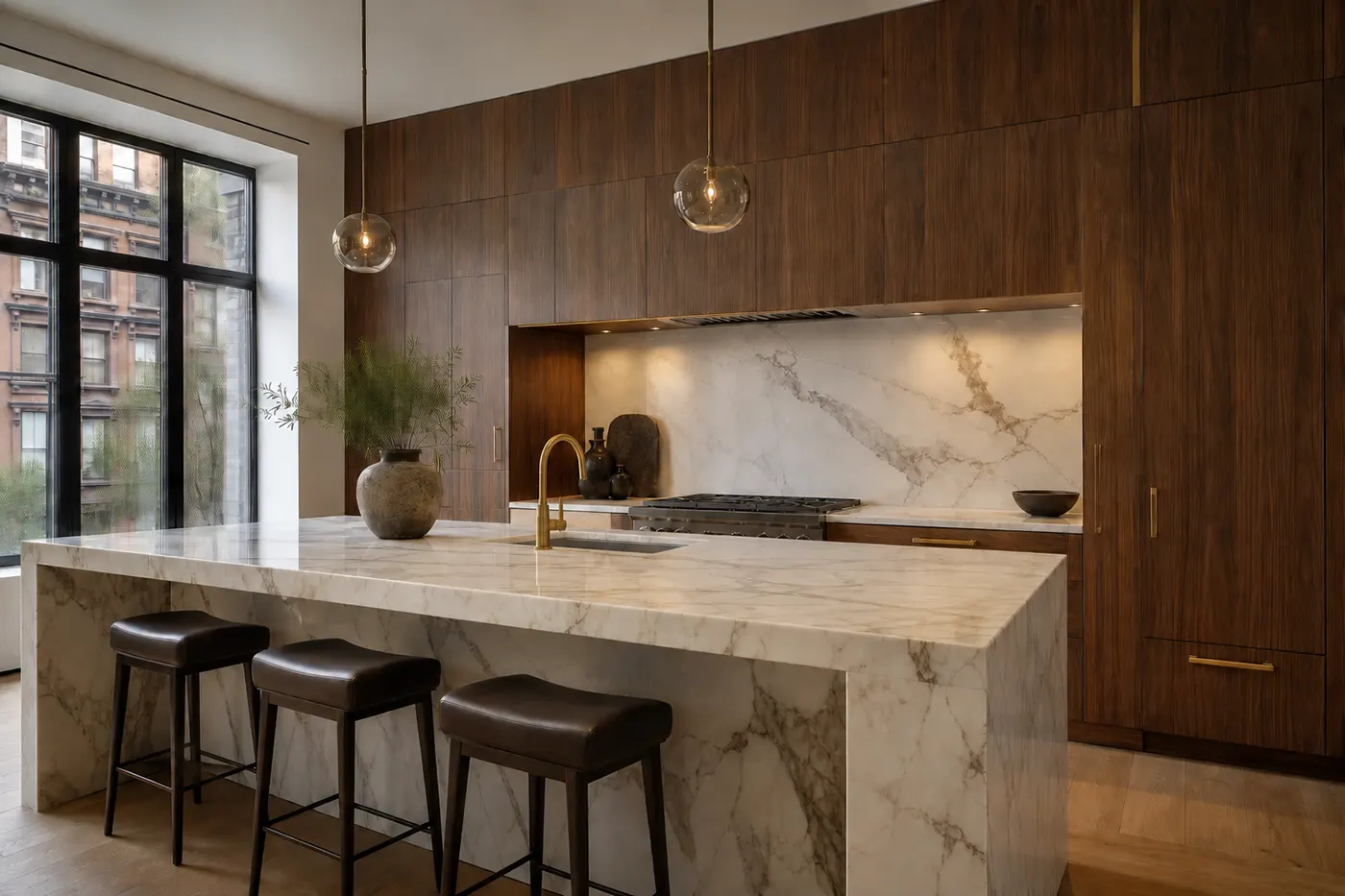
Cabinet Refacing or New Cabinets: When Each Is Worth It
The choice between refacing and new cabinets rarely comes down to taste. It comes down to three thin
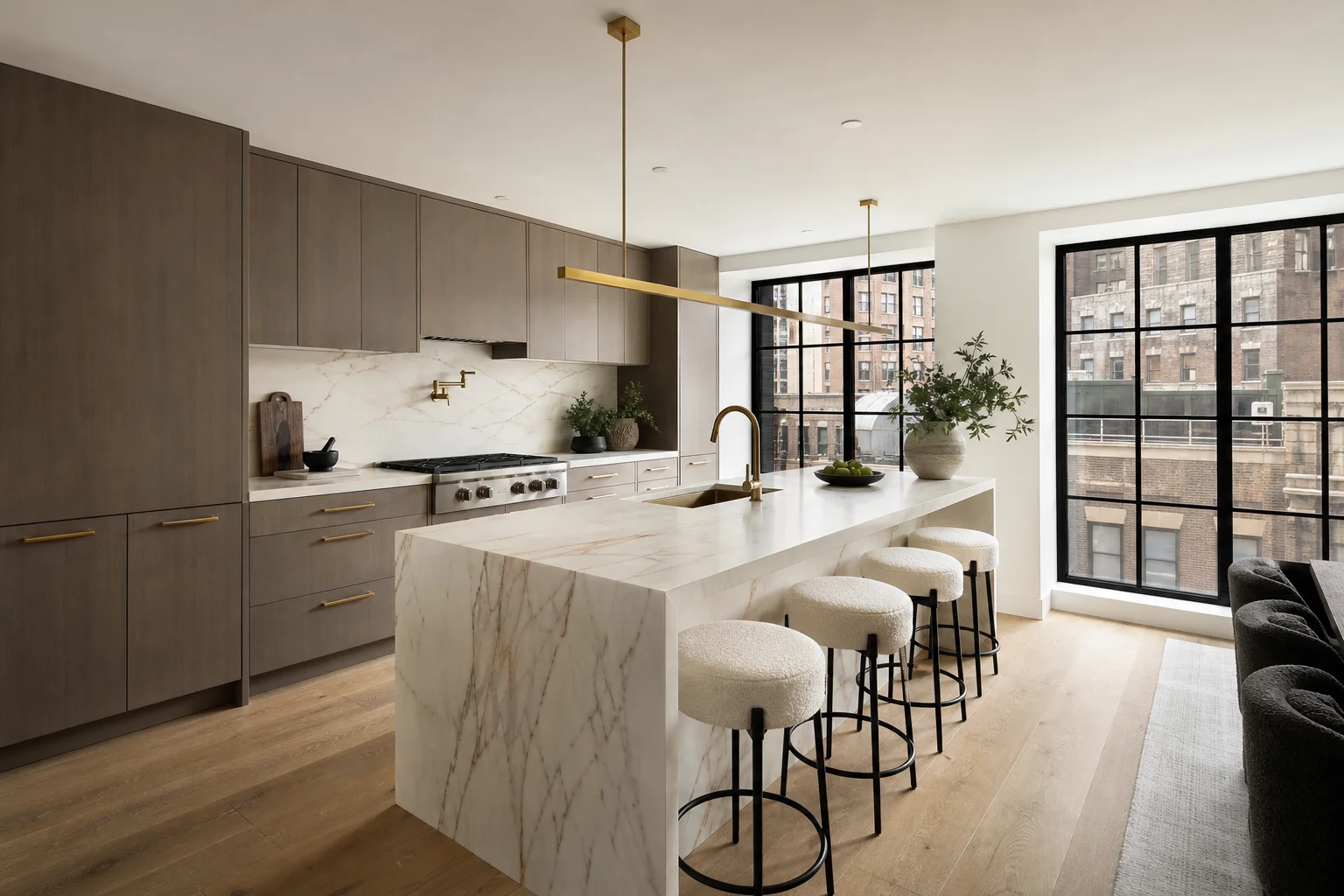
Custom Cabinet Design: Kitchen Layouts and Corner Plans
A cabinet run in a Manhattan apartment is designed against three fixed things: where the stack sits,
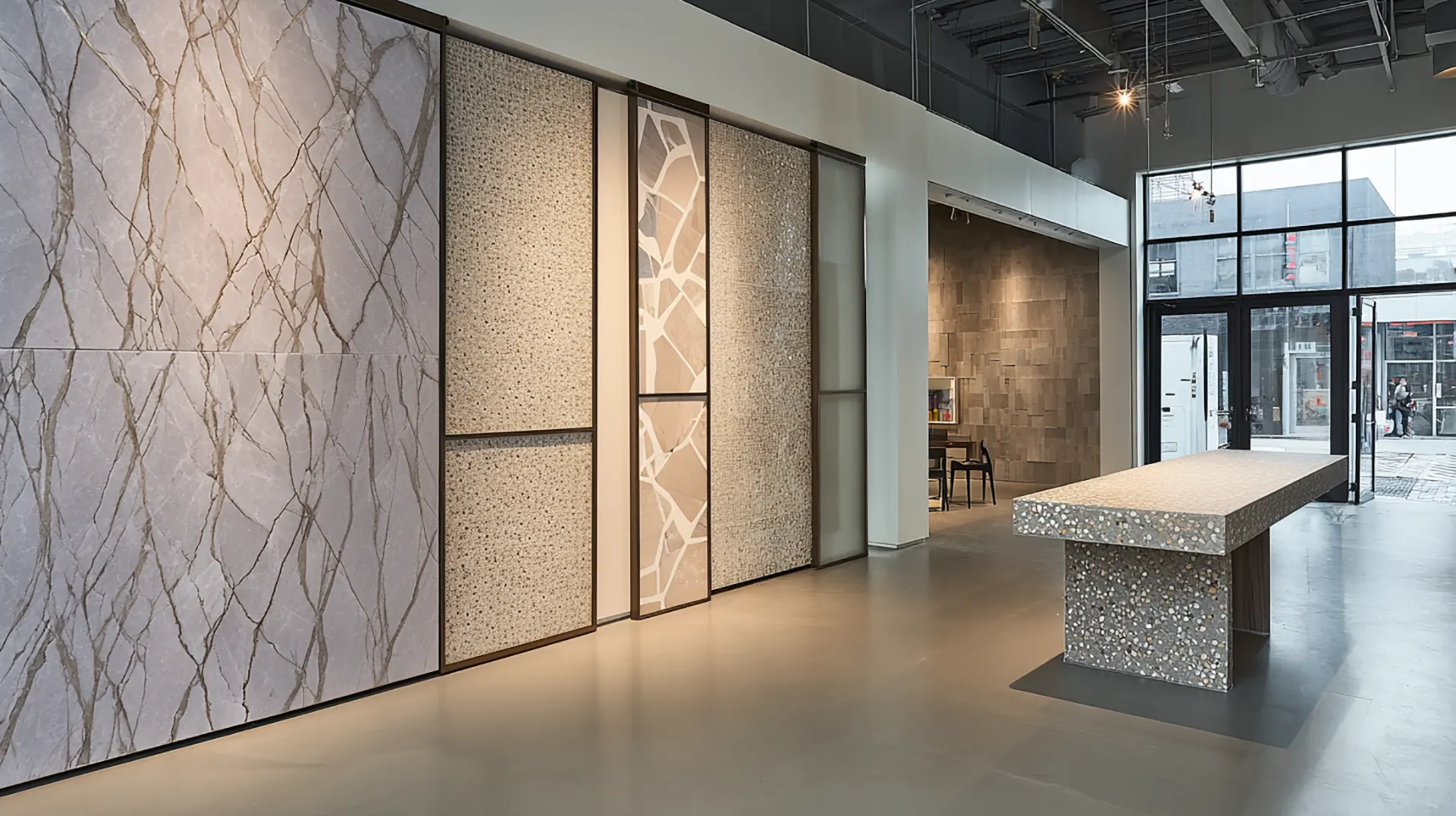
The New Tile Revolution: Innovative Materials Changing the Game
The tile industry is undergoing a true renaissance, transforming tiles from simple functional surfac