
The New Tile Revolution: Innovative Materials Changing the Game
The tile industry is undergoing a true renaissance, transforming tiles from simple functional surfaces into sophisticated design elements that merge art, technology, and architecture. Gone are the days of basic ceramic squares. Today’s innovations mimic everything from weathered concrete to exotic woods or precious metals, while delivering superior durability and performance. Advanced manufacturing, digital printing, and new material compositions now provide unprecedented creative freedom alongside practical advantages for high-traffic and moisture-prone areas.
The most exciting innovations combine beauty with function, offering slip resistance, antimicrobial properties, and flexible installation that expand design possibilities. This revolution is reshaping surface design across both residential and commercial spaces.
Large-Format Porcelain: The Contemporary Game-Changer
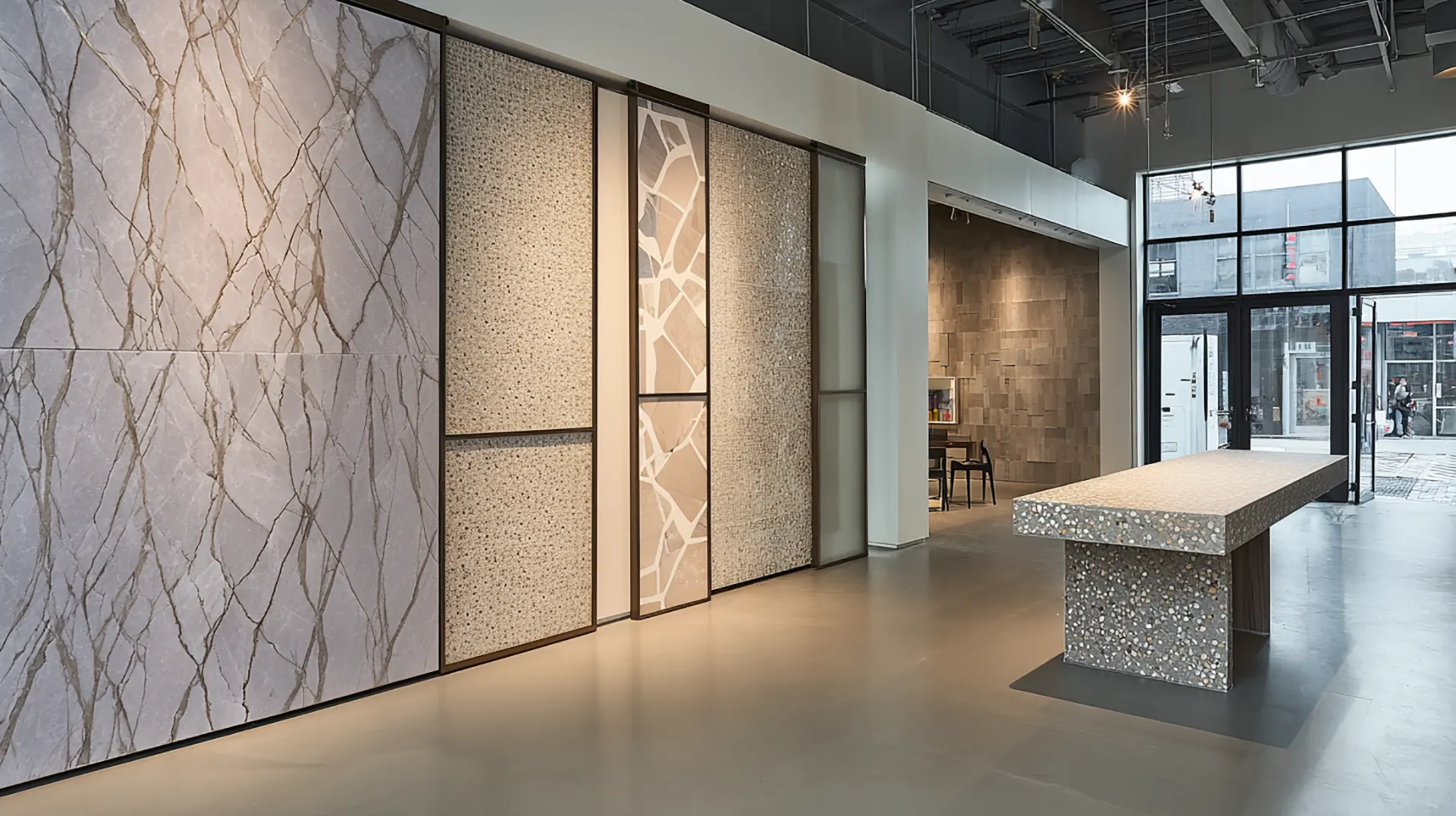
Large-format porcelain tiles have become the centerpiece of modern design, delivering the luxurious look of natural stone slabs at more accessible costs. Tiles measuring 24×48 inches or larger create seamless, sophisticated spaces with fewer grout lines, reducing visual clutter and simplifying maintenance, particularly valuable in kitchens and showers.
However, fewer grout lines also mean less natural traction underfoot. In wet areas such as bathrooms and kitchen floors, large-format tiles must meet the slip resistance requirements set by the NYC Building Code, specifically a minimum Dynamic Coefficient of Friction (DCOF) of 0.42 for floors in wet conditions. Specifying the right surface finish from the outset, rather than retrofitting solutions, is the cleaner approach.
Advances in production allow these tiles to be incredibly thin, sometimes just 6mm, without compromising strength, making them suitable for countertops, walls, and cladding applications. That said, thin large-format panels on walls require a substrate capable of supporting the load. In Manhattan pre-war buildings where original plaster is still intact, the wall’s bearing capacity should be assessed before installation, as plaster may not provide the uniform, stable surface these tiles demand.
Installation requires skilled professionals in any context, and in Manhattan high-rise buildings that qualification extends to logistics. Tiles measuring 24×48 inches or larger are significantly heavier than standard formats, and delivery, transport through service corridors, and elevator use are subject to building-specific restrictions and scheduling requirements. Coordinating with building management before the project begins, not on delivery day, is essential.
Digital Printing: Endless Creative Possibilities
Digital printing technology has revolutionized tile design, enabling manufacturers to reproduce virtually any pattern, texture, or image with remarkable accuracy. From wood-look tiles showing every grain detail, to fabric-inspired patterns or metallic finishes, today’s printed tiles can deceive both the eye and the touch.
Beyond imitation, digital printing allows for custom artistry: family photos, original artwork, or bespoke patterns permanently embedded into surfaces. Japanese bathroom design has embraced this trend, using digitally printed tiles that replicate bamboo, tatami, or natural stone while offering durability and moisture resistance for modern living. Viewing samples in person remains crucial, as lighting and surface texture significantly affect the final result.
Terrazzo’s Bold Comeback
Terrazzo, a 15th-century Italian invention, has re-emerged as one of the most exciting contemporary tile options, blending sustainability and bold design. Modern terrazzo incorporates recycled glass, marble chips, brass, or even smartphone glass, producing distinctive surfaces that balance history with innovation.
An important distinction worth making: poured terrazzo and terrazzo tile behave very differently in a structural sense. Poured terrazzo is substantially heavier than standard flooring materials and adds meaningful load to the building’s slab. In Manhattan high-rise construction, this warrants a structural review before specifying it, particularly in older buildings with original concrete floors. Terrazzo tiles are far less problematic in this respect, but the two are often discussed interchangeably, and they should not be.
For projects where poured terrazzo is appropriate, it can unify spaces while adding dynamic visual interest. Improved sealants now ensure long-lasting beauty with minimal maintenance, and the limitless customization available makes every installation genuinely unique.
Is It Possible to Get Tiles That Are Stylish, Durable, and Eco-Friendly, and Which Solutions Are Trending Now?
Yes. Modern tile manufacturing has evolved considerably, and many stylish options are now both environmentally responsible and extremely durable. Today’s leading trends combine natural aesthetics with sustainability and longevity.
Recycled porcelain and ceramic tiles, made from factory waste or post-consumer materials, offer high durability and a classic look. Recycled glass tiles are glossy, colorful, and well suited to feature walls or backsplashes. Terracotta and clay tiles bring natural, breathable qualities and warm earthy tones that have proven enduring across centuries. Sintered stone, produced from natural minerals under heat and pressure, is durable, non-porous, and long-lasting. Low-VOC and non-toxic glazes contribute to healthier indoor air quality. Locally sourced tiles reduce transport footprint and often carry distinctive artisanal textures.
On the aesthetic side, soft matte neutrals such as beige, clay, warm grey, and limestone tones are prominent, as are large-format slabs for seamless surfaces, textured tiles with fluted or ribbed profiles, and nature-inspired palettes built around earth, sand, moss, and charcoal.
Are Innovative Tiles Like Recycled Glass, Composite Tiles, or Flexible Stone Veneers Suitable for Regular Home Use?
Yes, many innovative tile materials are designed specifically for everyday residential use. They are durable, practical, and safe when installed correctly, provided the right material is matched to the right location.
Recycled glass tiles perform best on walls, backsplashes, shower niches, and decorative surfaces. They are waterproof, stain-resistant, and available in a wide range of colors. They are not recommended for high-impact floors, where heavy use can cause scratching over time.
Composite tiles, typically recycled stone combined with resin binders, work well on floors, walls, bathrooms, and kitchens. They tend to be lighter and more affordable than natural stone, though heat tolerance varies depending on resin content.
Flexible stone veneers are ultra-thin sheets of natural stone bonded to a flexible backing. They are well suited to feature walls, curved surfaces, cabinetry accents, and fireplaces, where their lightweight construction and genuine stone texture are real advantages. They are not generally recommended for high-traffic floors, must be sealed, and some types require additional waterproofing protection in constantly wet areas.
Sintered stone and large-format porcelain slabs are among the most versatile options available, suitable for floors, walls, showers, vanities, and countertops. Both are heat-resistant, scratch-resistant, and non-porous. Professional installation is required given their size and weight, and in Manhattan buildings that includes advance coordination with building management regarding delivery and access.
Tile Design Revolution Highlights:
- Large-Format Porcelain: Reduces grout lines and creates a seamless stone-like appearance, but requires DCOF-compliant finishes in wet areas and load-bearing checks before wall installation.
- Digital Printing: Allows photorealistic reproduction of wood, fabric, and custom art, with samples best viewed in person under actual lighting conditions.
- Terrazzo Revival: Blends sustainability with bold, customized patterns, though poured terrazzo warrants a structural review in Manhattan high-rises that terrazzo tile does not.
Cabinet Refacing or New Cabinets: When Each Is Worth It
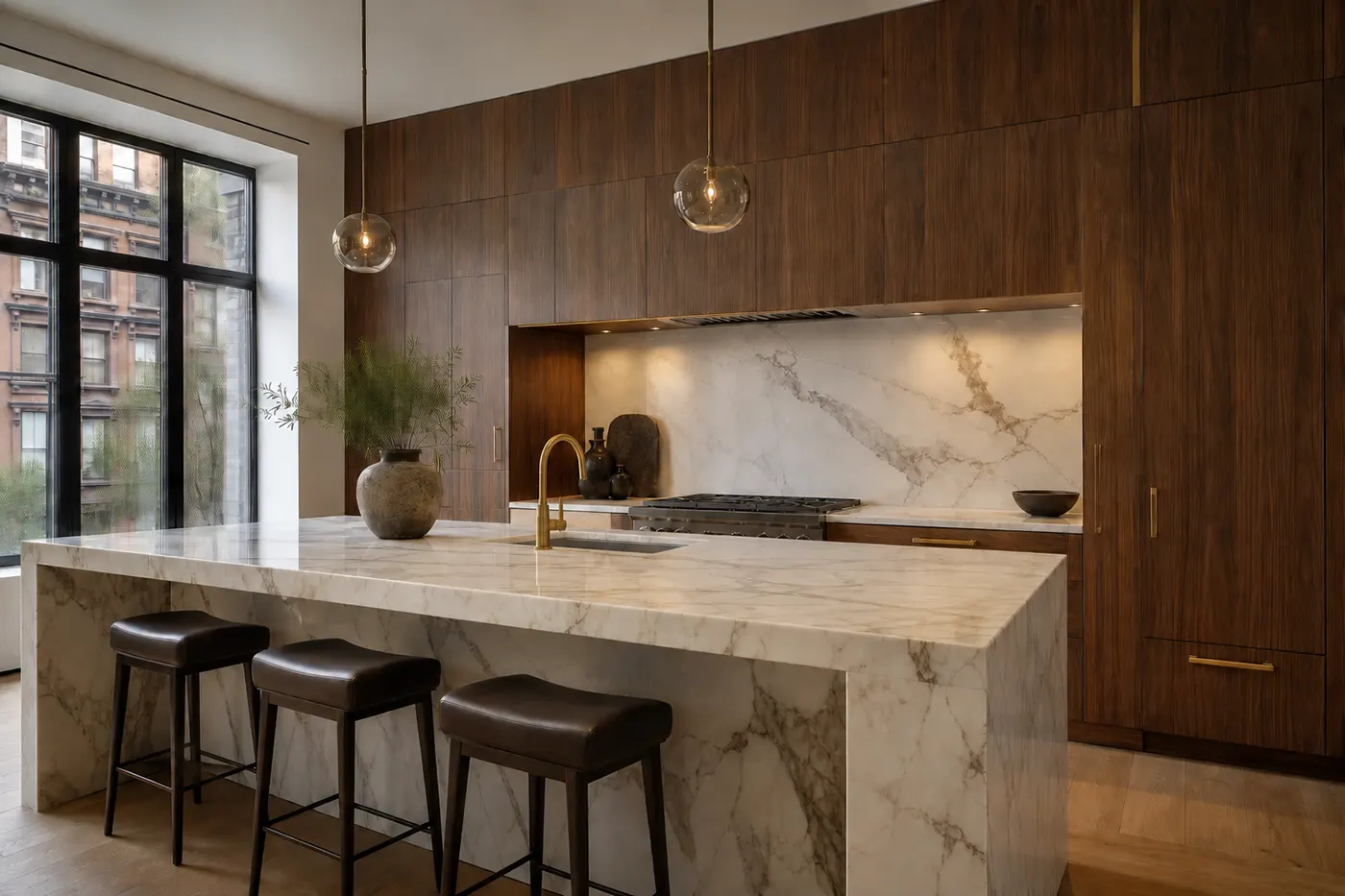
The choice between refacing and new cabinets rarely comes down to taste. It comes down to three thin
Custom Cabinet Design: Kitchen Layouts and Corner Plans
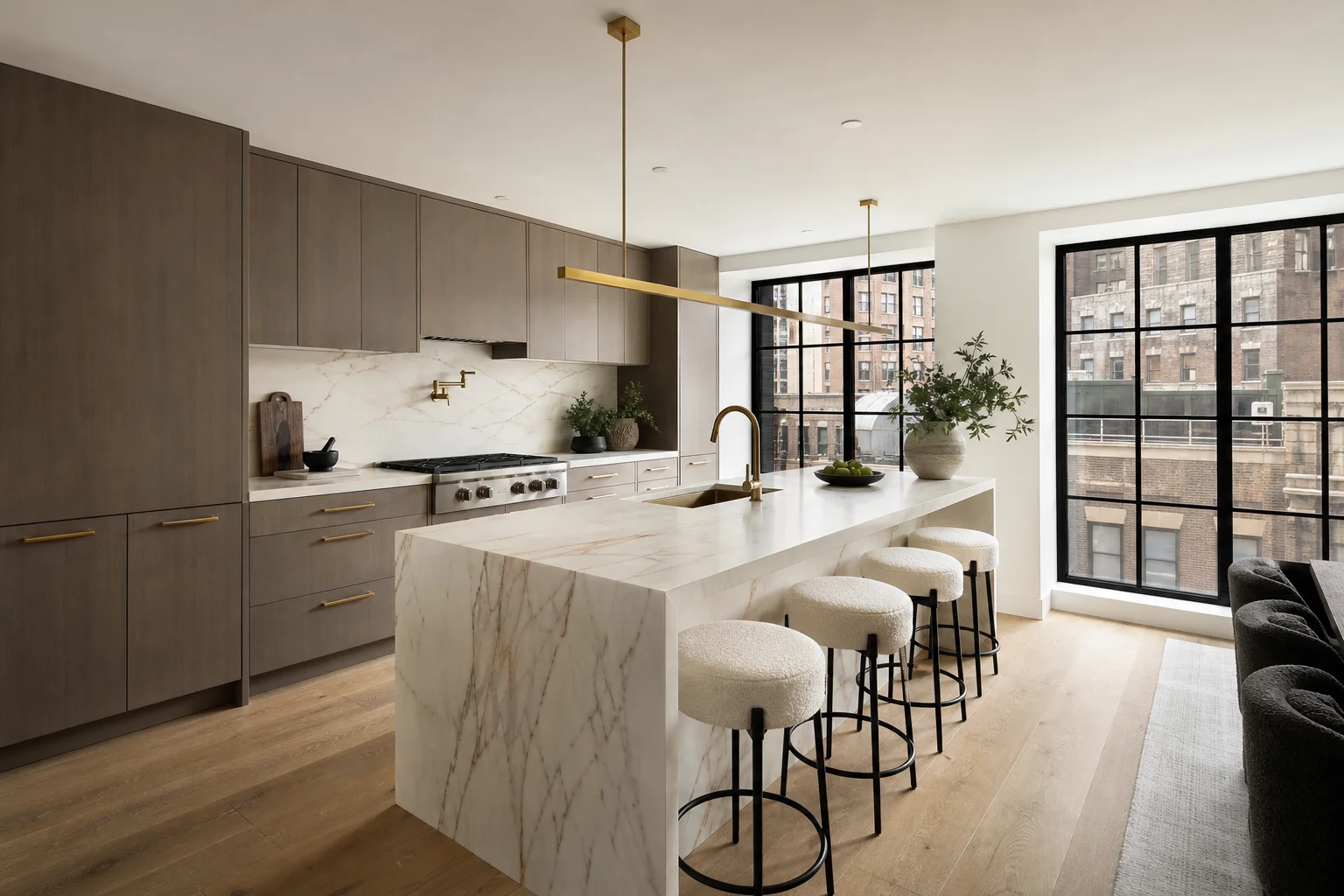
A cabinet run in a Manhattan apartment is designed against three fixed things: where the stack sits,

In Defense of Detail: Why the Smallest Things Matter Most in Construction
Stand in a finished luxury apartment and look around. Smooth walls. Perfect light. A quiet sense tha