

When Space Tells a Story: Designing Homes with Character, Not Just Style
There’s a specific feeling you get walking into certain homes, an immediate sense that someone actually lives here rather than merely posing for photographs. You read it in the details: a brass handle worn smooth where the thumb rests, a rug softened along the path people walk, a wall that catches the light in a way that feels deliberate. Style is something you can buy off a shelf, but character has to be earned over time.
We’ve drifted into an era of what might be called copy-paste luxury, and it isn’t really a matter of bad taste so much as caution. People increasingly choose what the algorithm has already approved, trading a little soul for a lot of safety, because a home without identity may be comfortable but it leaves no memory behind. At Hoppler, we’d rather design something biographical than something interchangeable.
The era of copy-paste luxury
Scroll through Instagram or Pinterest and you run into a strange paradox: thousands of supposedly unique homes that all look more or less identical. The same neutral tones, the same fluted panels, the same bouclé sofas. They’re genuinely beautiful, and they’re also completely interchangeable. Real luxury asks for a departure from the approved template, a willingness to find the particular identity of the person who actually lives there.
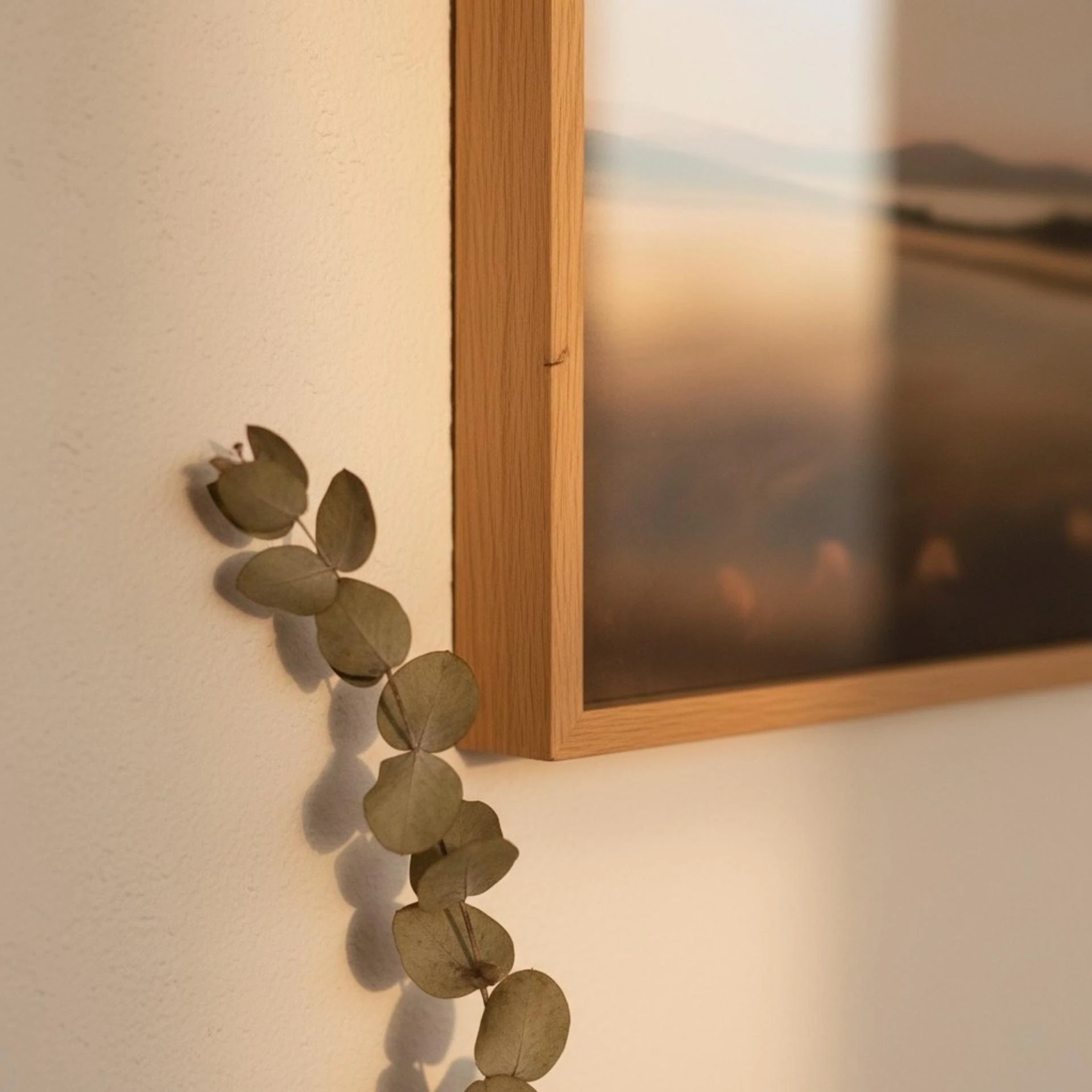
Homes as diaries
A home works better as a diary than as a portfolio, and we approach each project as the translation of a life rather than the assembly of a mood board. This is the heart of what we call narrative design, our own method for turning personal history into architectural decisions.
- Sometimes that means evoking memory through material rather than literal decoration, letting a marble with particular blue veining suggest a coastal childhood without ever spelling it out.
- Sometimes it means shaping intimacy directly into the plan, tuning wall depths and sightlines to create the hush of a private library or the openness of a gallery, depending on what a client actually collects and how they want to live among it.
The difference from conventional high-end work is real. Designing purely for trend compliance buys immediate visual appeal, but it also ages quickly and tends to feel dated within a few years. Designing around someone’s biography and around honest materials produces something that improves with age and use instead, a home that deepens rather than expires.
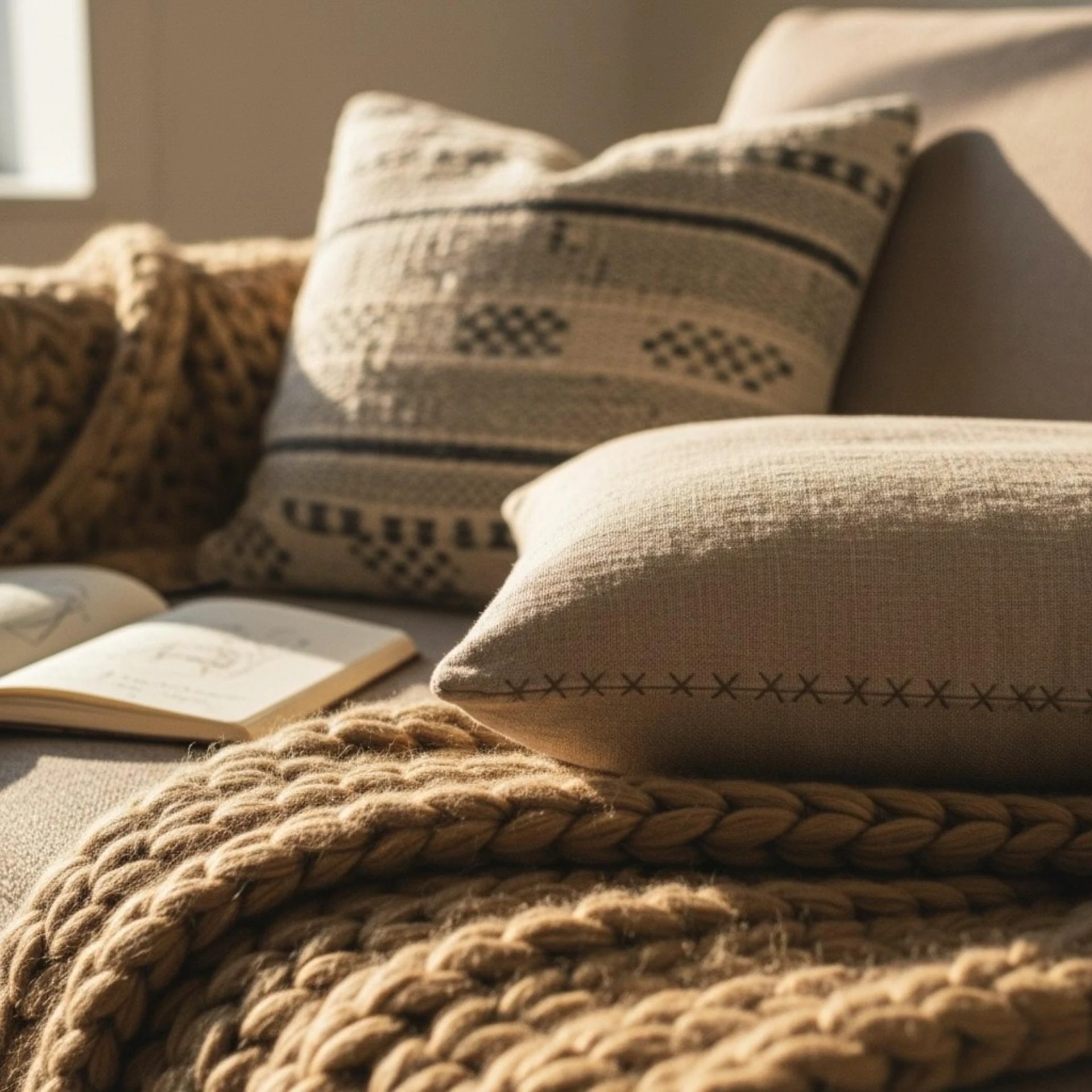
Material honesty and the art of aging
Character doesn’t come from quirky decor; it comes from materials that tell the truth about what they are. We treat aging as a feature rather than a flaw, and we build homes meant to get better, softer, and deeper over time.
- Unlacquered brass is a good example of the principle, since chrome stays frozen exactly as it was installed while unlacquered brass records the history of its own use, darkening where it’s left alone and brightening where hands pass over it.
- Natural stone carries a similar honesty, holding millions of years of geological history and offering a depth and durability that synthetic, plastic-based surfaces can’t really imitate.
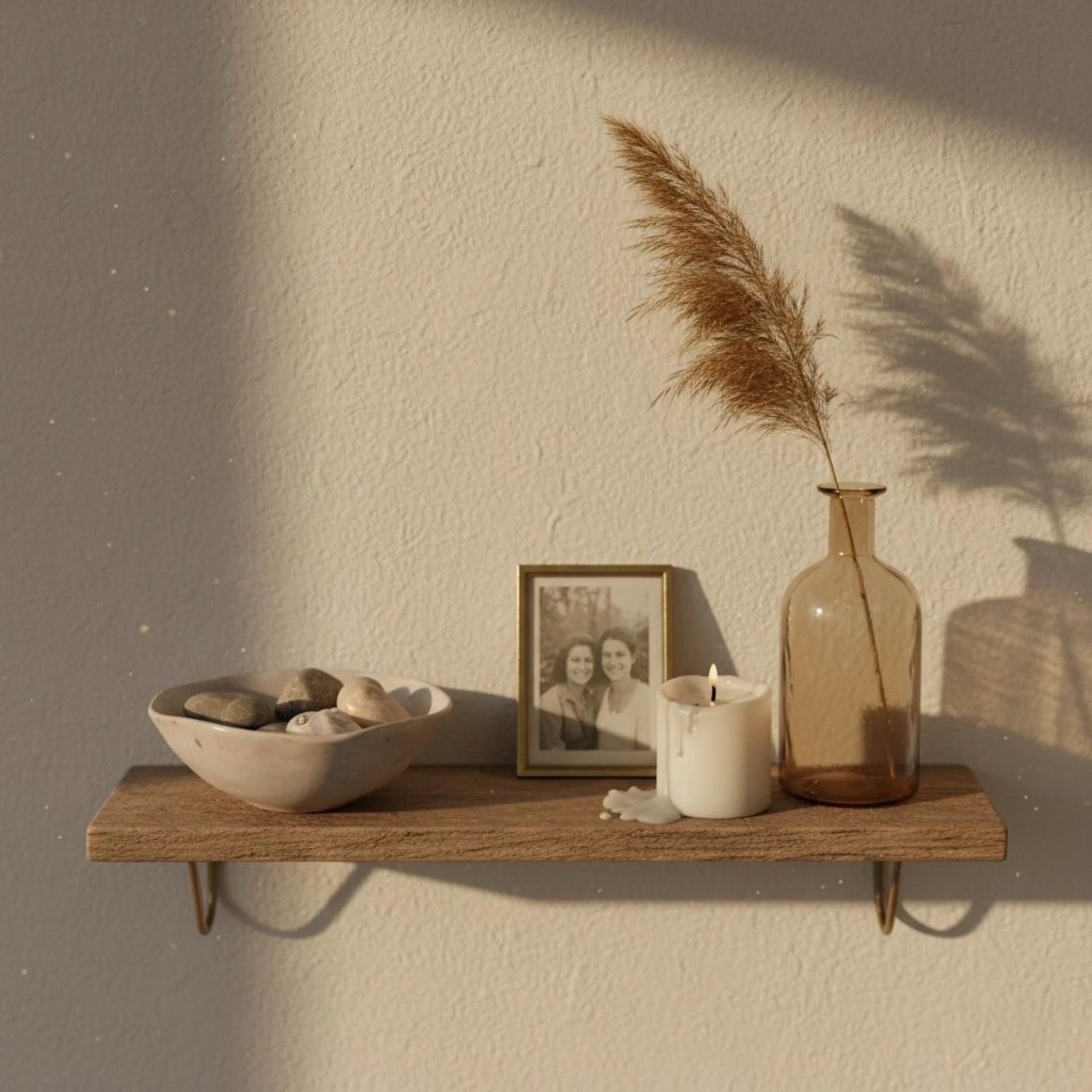
The editor’s eye
An over-styled home is a little like a sentence buried under too many adjectives. It impresses at first glance and slowly wears the resident down. A large part of our job as architects and builders is editorial, helping to strip away the trends and the visual noise until only the meaning is left standing. The best homes don’t announce their style; they let it come through quietly, in balanced proportions and deliberate sightlines.
Time as a collaborator
The best homes keep evolving, gathering layers as they go: stories, small scratches in the floor, a patch of fabric softened by years of afternoon sun. A home frozen in place is closer to a museum, while a living one reads more like a novel still being written. We design with that growth in mind, deliberately leaving breathing room for the art you haven’t bought yet and the memories you haven’t made yet.
Real luxury has less to do with displaying who you are than with building a space that has room for who you’re still becoming, which takes genuine technical precision now in order to allow for emotional flexibility later.
The measure of success isn’t the moment you admire the space from across the room, it’s the moment you stop noticing the architecture at all because it has quietly become home.
Character in a Manhattan building
There’s a particular advantage to pursuing this kind of character in New York, since so much of the city’s housing already arrives with a biography attached. Pre-war apartments come with original moldings, plaster detail, herringbone floors, and proportions that are genuinely hard to reproduce today, and a thoughtful renovation often does more preserving and reframing of those details than replacing them. Working with that inherited character, rather than stripping it out for a blank contemporary box, is frequently where the strongest results come from.
Designing for the future carries a specifically local caveat as well. In a co-op or condo, the changes you can make now and later both run through the building’s alteration process and board approval, so the flexibility we design into a home has to be planned within what the building will actually permit. Understanding those limits early is what lets us leave real room for a home to evolve without running into a wall, literal or bureaucratic, a few years down the line.
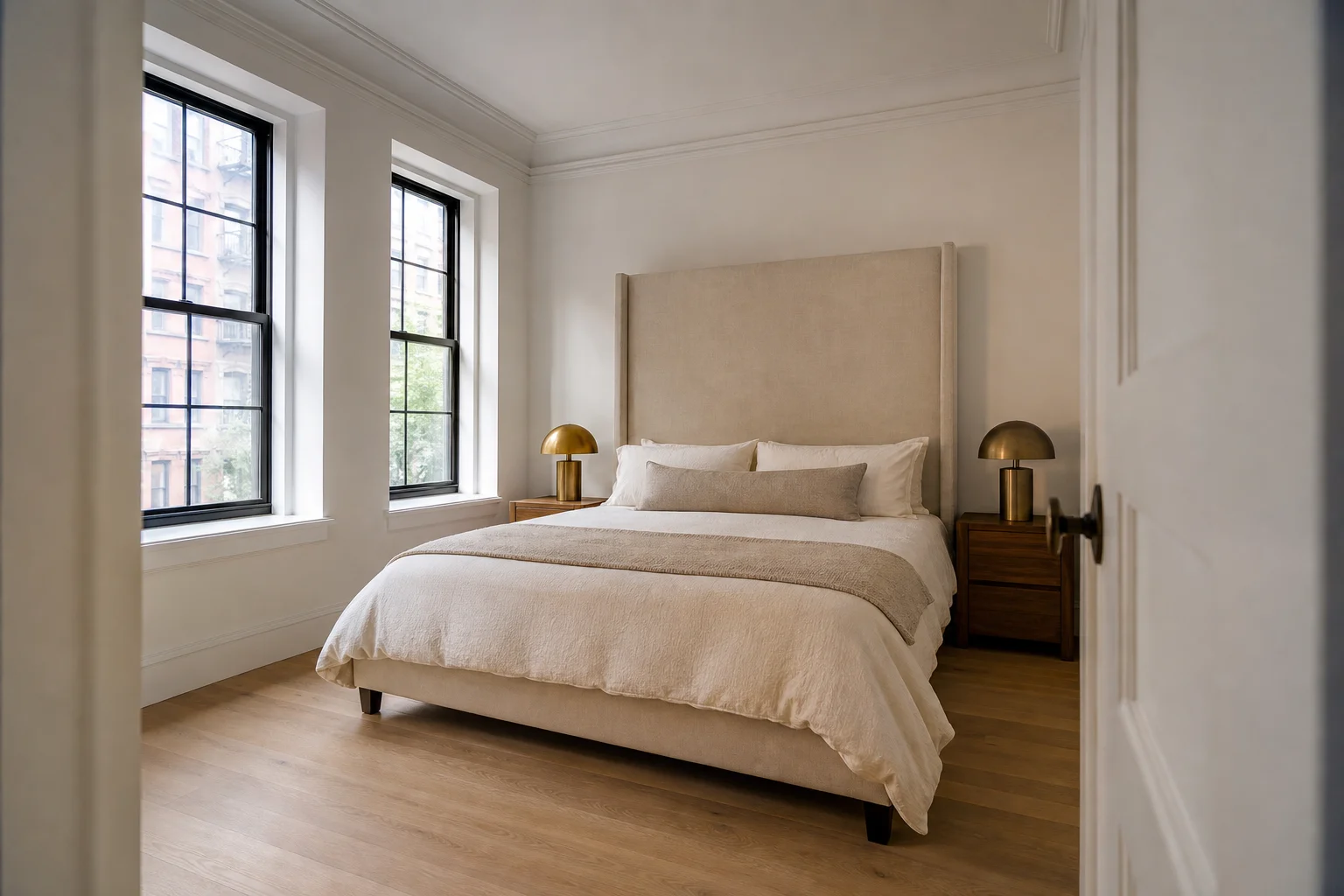
Your Bedroom Has the Wrong Energy
On a gut renovation in Yorkville, the couple kept the bed under a window and both said they woke up

The Rise of Sustainable Renovation: A Guide to Eco-Friendly Upgrades
Something has shifted in how Manhattan homeowners think about renovation. Environmental responsibili
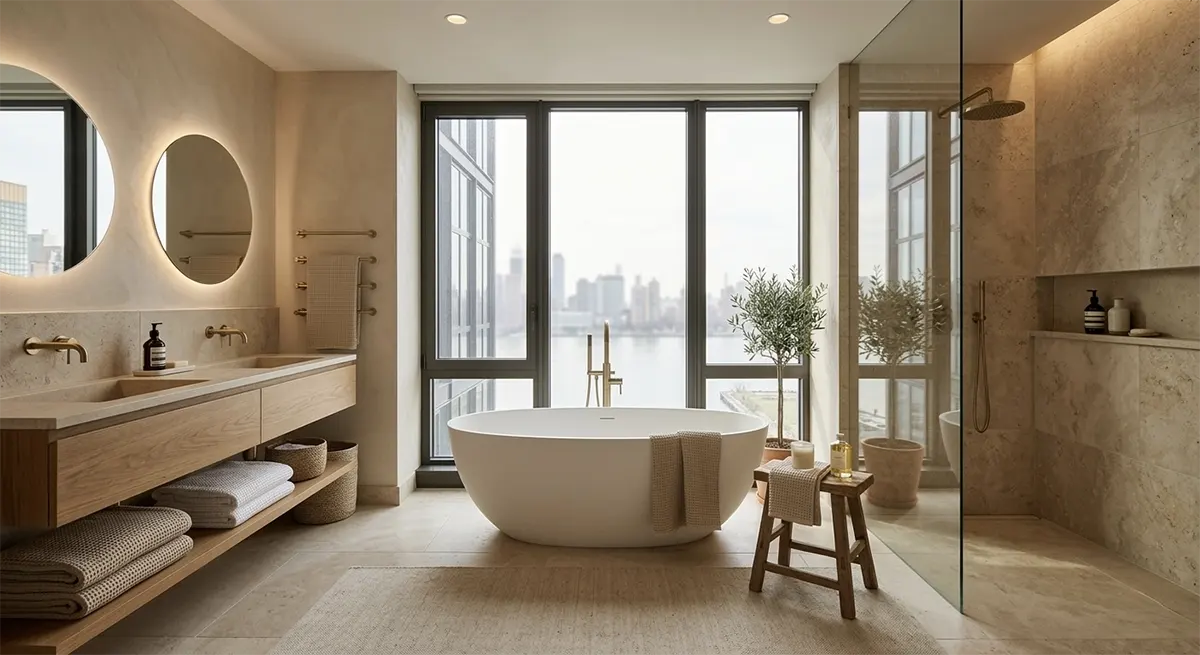
The Future of the Sanctuary: Bathroom Design Trends and Inspiration for 2025–2026
The bathroom has shifted from a purely functional room into a calibrated personal environment. It se