

The Great Material Face-Off: Quartz vs. Granite vs. Marble Countertops
Choosing the perfect countertop material ranks among the most crucial decisions in any kitchen or bathroom renovation, with the power to define your space’s aesthetic, functionality, and long-term satisfaction for decades to come. These surfaces endure daily abuse from hot pots, sharp knives, spilled wine, and countless other challenges while serving as the visual foundation that ties together your entire design scheme.
The big three contenders – quartz, granite, and marble – each bring distinct personalities, performance characteristics, and price points to the table, making the selection process both exciting and potentially overwhelming. Understanding the real-world differences between these materials goes far beyond surface-level aesthetics to encompass factors like maintenance requirements, durability, and performance under the specific demands of your lifestyle and cooking habits.
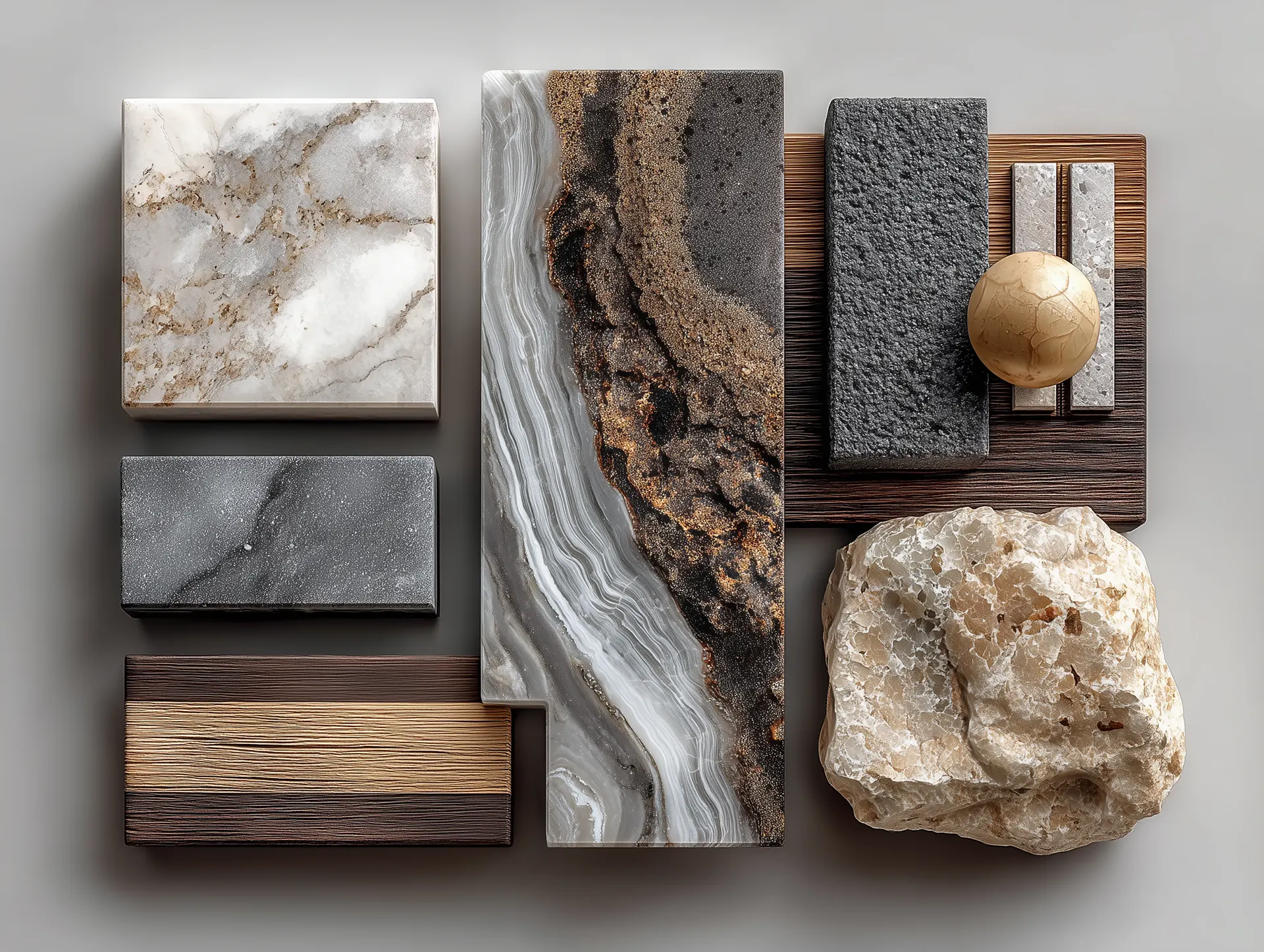
Quartz Countertops: The Practical Perfectionist
Quartz emerges as the practical perfectionist of countertop materials, engineered to deliver consistent beauty and performance while eliminating many concerns associated with natural stone. This manufactured material combines roughly 90% ground natural quartz with polymer resins and pigments, creating surfaces that are non-porous, stain-resistant, and incredibly durable without requiring regular sealing.
With quartz, what you see is what you get: uniform patterns and colors make it easy to design large kitchen islands or continuous countertop runs. Modern quartz manufacturers offer options ranging from solid colors to patterns that mimic Carrara marble or exotic granite, giving homeowners luxurious looks without maintenance challenges. For busy families or anyone who values low-maintenance luxury, quartz provides both peace of mind and beauty—though usually at a premium price point.

Granite Countertops: The Natural Champion
Granite represents the time-tested champion of natural stone countertops, offering authentic geological beauty with proven durability that has made it a staple in high-end kitchens. Each granite slab tells a unique story formed over millions of years, with mineral patterns and variations ensuring no two installations look alike.
Granite’s hardness makes it highly resistant to scratching and heat damage, while periodic sealing preserves stain resistance and natural luster. During a Manhattan kitchen renovation, granite often provides excellent value by delivering luxury aesthetics at more accessible price points than quartz or marble. Its longevity reassures homeowners that their investment will maintain both beauty and functionality for decades.
Marble Countertops: The Aristocrat of Elegance
Marble has long been prized for its unparalleled elegance, transforming ordinary kitchens into spaces reminiscent of European palaces. The soft patterns of Carrara or the dramatic veining of Calacatta marble create instant focal points that elevate any interior design.
However, marble requires diligent maintenance. Its calcium carbonate composition makes it vulnerable to etching from acidic substances like wine or lemon juice. Some homeowners embrace these marks as patina, while others see them as flaws. For condo remodels or projects guided by an experienced design and build firm, marble is often used strategically in areas where its beauty can shine with reduced risk of damage.
Ultimately, choosing marble means accepting its evolving character. With proper care and realistic expectations, it offers a timeless and living surface that continues to tell a story over time.
Countertop Material Comparison:
| Material | Key Benefit | Maintenance/Vulnerability |
|---|---|---|
| Quartz | Non-porous, highly stain-resistant, consistent pattern. | Virtually no maintenance (no sealing required). |
| Granite | High heat/scratch resistance, natural unique beauty. | Requires periodic sealing to prevent staining. |
| Marble | Unparalleled elegance and timeless aesthetic. | Vulnerable to etching from acids; requires diligent maintenance. |
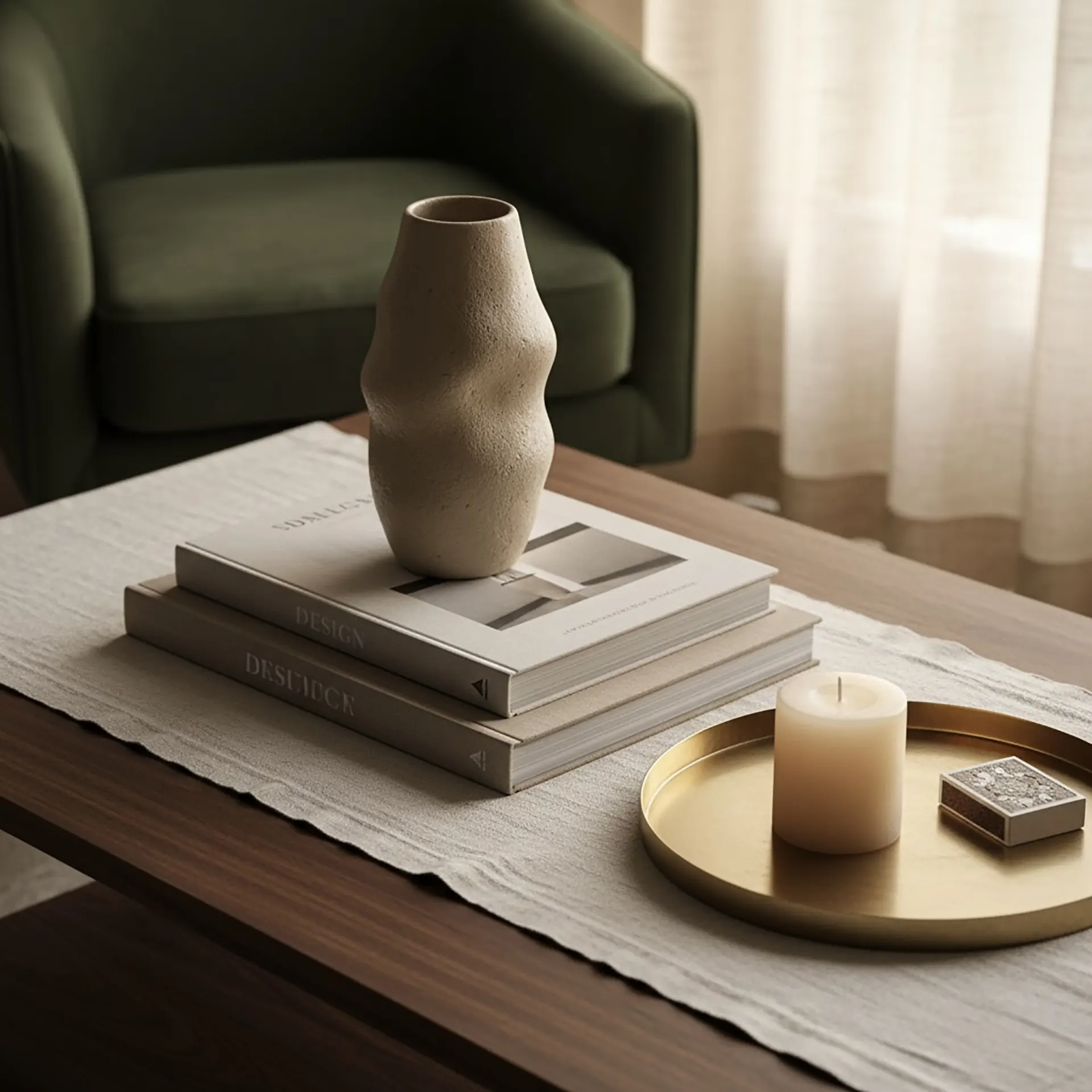
Texture Talk: Adding Depth and Warmth to Your Interiors
Texture represents one of the most underappreciated elements in interior design, yet it possesses th

In Defense of Detail: Why the Smallest Things Matter Most in Construction
Stand in a finished luxury apartment and look around. What do you see? Smooth walls. Perfect light.

Future-Proofing Your Renovation: Materials That Will Still Look Great in 20 Years
The most successful renovations transcend temporary trends to create spaces that feel fresh and rele