

Future-Proofing Your Renovation: Materials That Will Still Look Great in 20 Years
The most successful renovations transcend temporary trends to create spaces that feel fresh and relevant for decades. True design wisdom lies not in chasing fads, but in selecting materials and layouts with timeless qualities that age gracefully. While social media may highlight flashy but fleeting renovation ideas, the smartest homeowners focus on creating solid foundations that support evolving styles.
Future-proofing your renovation means investing in materials that improve with age, selecting balanced proportions, and choosing finishes that develop patina instead of showing wear. Considering the full gut renovation cost, it’s essential to prioritize design choices that deliver value and beauty over the long term. Understanding which materials offer inherent longevity—both aesthetically and functionally—empowers homeowners to make confident, lasting investments.
Natural Materials: The Foundation of Timeless Design
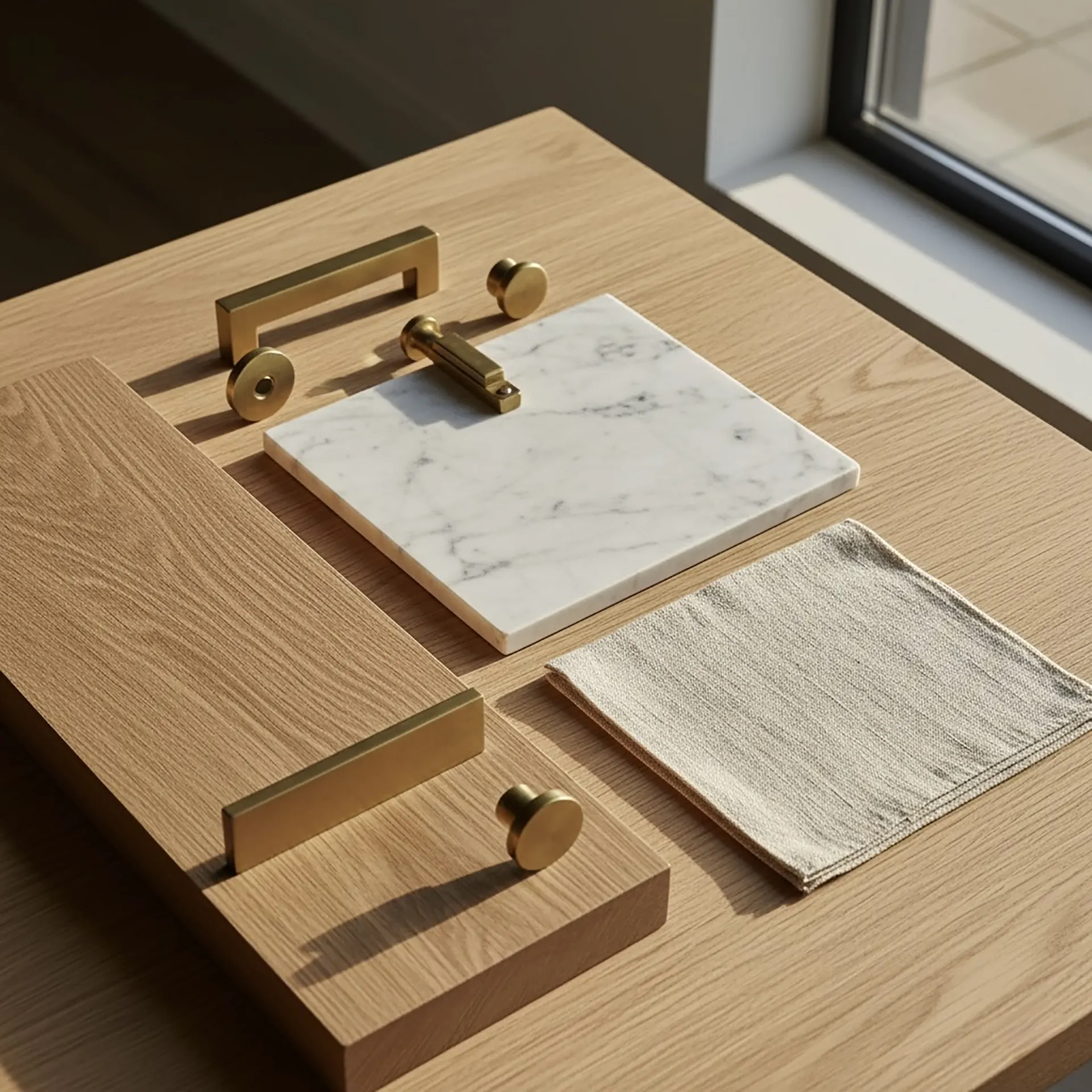
Natural materials form the backbone of enduring interiors. Hardwood floors in oak, maple, or walnut can be refinished multiple times, adapting to new décor while maintaining warmth and character. Natural stone surfaces like marble, granite, and travertine age with grace, developing unique patina while offering centuries-proven durability.
Solid wood cabinetry, especially in classic profiles, remains versatile—easily refreshed with new hardware or finishes. These materials share key traits: they’re derived from nature, improve with age, can be repaired instead of replaced, and possess beauty that transcends trends.
Quality Indicators: Choosing Investment-Worthy Materials
Not all materials are created equal. Quality indicators separate lasting investments from false economies:
- Thickness: Substantial hardwood allows multiple refinishes, while thin engineered versions may not.
- Tile quality: Through-body porcelain hides chips better, while well-quarried stone shows consistent patterns.
- Hardware durability: Solid brass or stainless-steel mechanisms ensure decades of smooth operation.
True luxury home improvement means choosing proven, durable materials. The priciest option isn’t always best—but the cheapest almost never delivers long-term value.
Classic Proportions & Design Principles
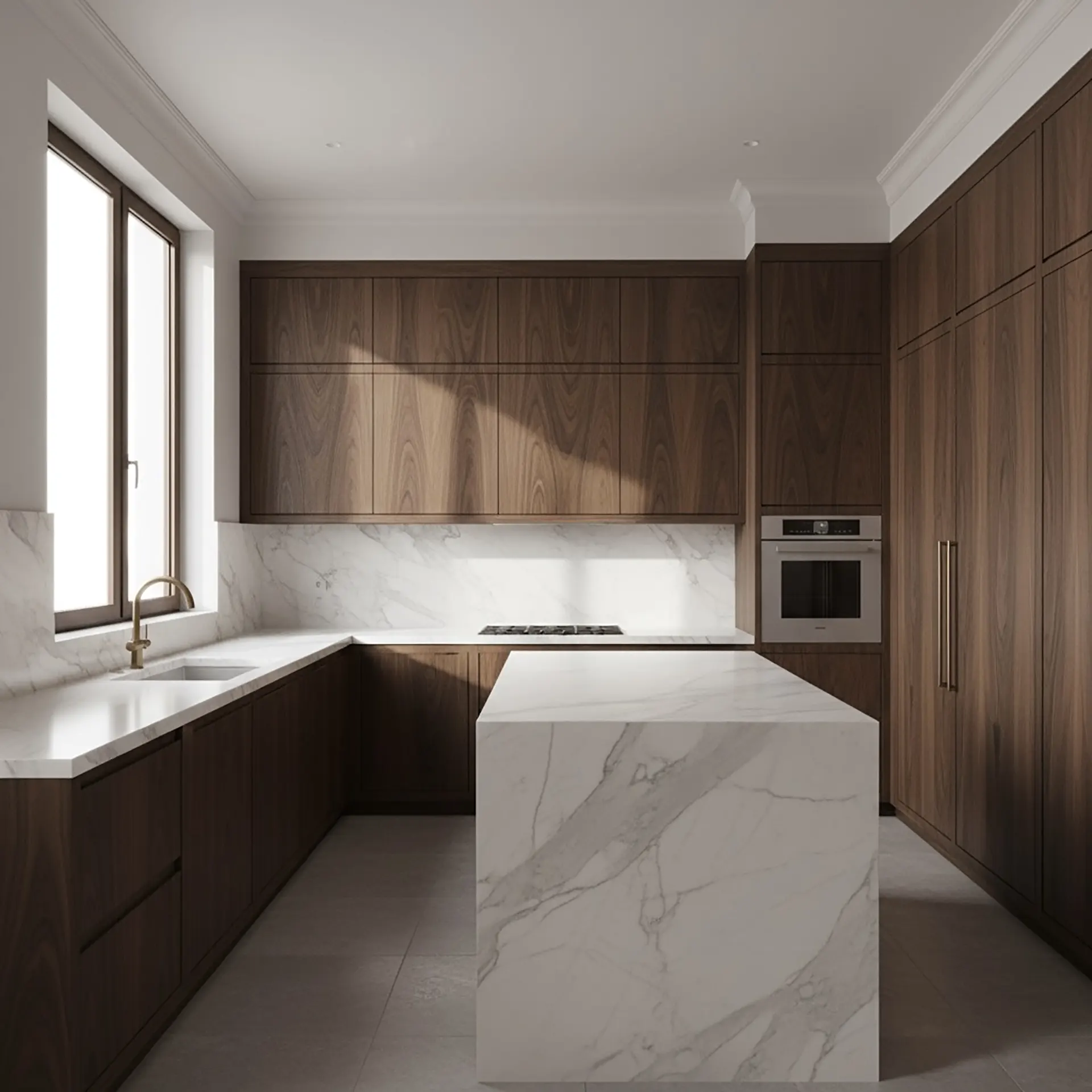
Proportion, scale, and classic design principles ensure spaces remain timeless. Well-proportioned rooms with balanced layouts can accommodate any décor shift without losing appeal. Functional kitchen work triangles, traditional bathroom layouts, and thoughtful traffic flow represent time-tested design approaches.
During NYC remodeling projects, experienced professionals often advise allocating most of the budget to structural quality, proportions, and superior materials. Decorative finishes should remain flexible, allowing affordable updates as trends evolve. The most future-proof renovations understand that while trends fade, craftsmanship and timeless design create homes that remain both stylish and personally meaningful for decades.

The Great Material Face-Off: Quartz vs. Granite vs. Marble Countertops
Choosing the perfect countertop material ranks among the most crucial decisions in any kitchen or ba

Sustainable Sourcing: Finding Eco-Friendly Materials That Don’t Compromise on Style
The green building movement has evolved beyond basic recycling and energy efficiency to embrace soph
The New Tile Revolution: Innovative Materials Changing the Game
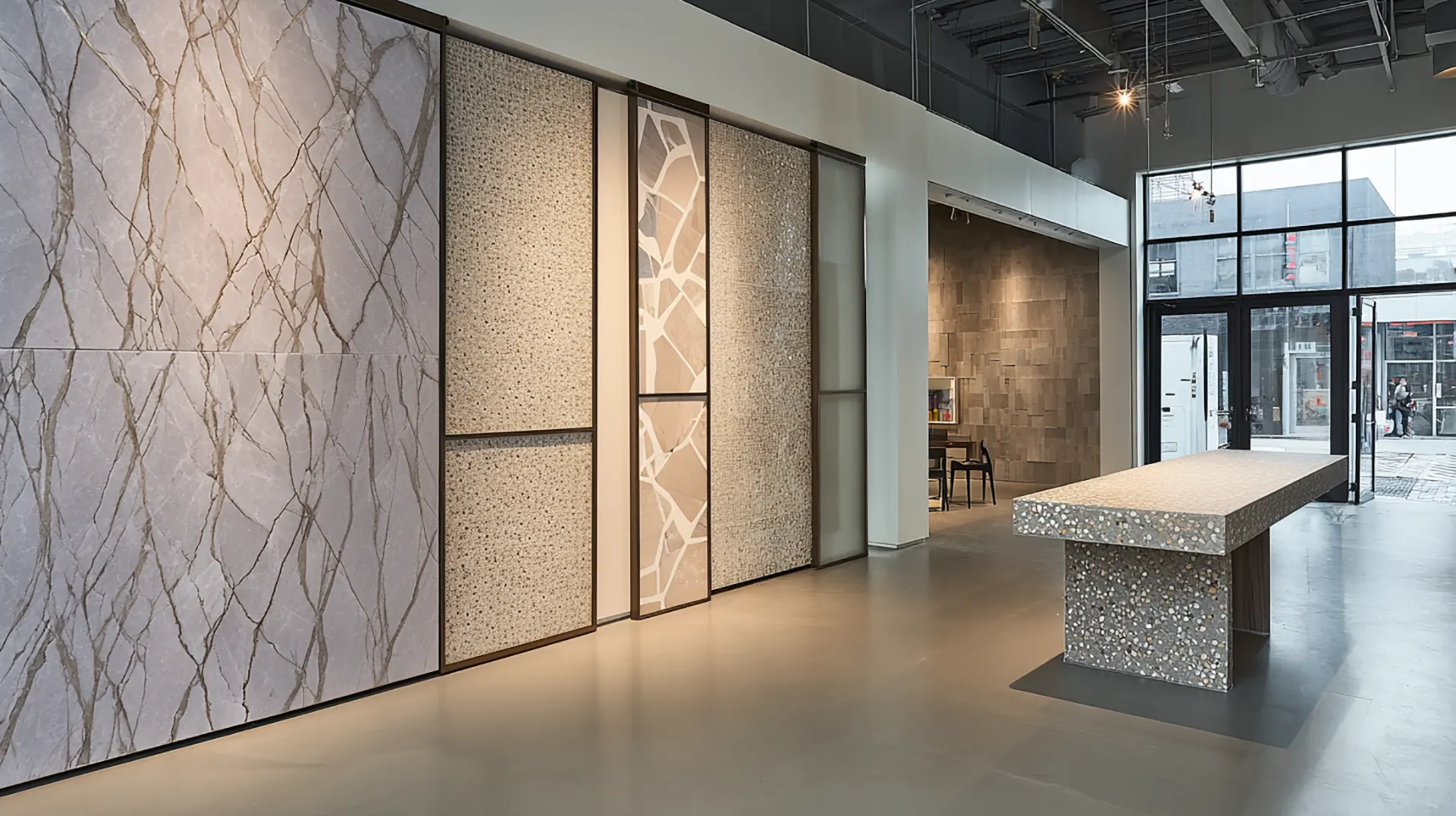
The tile industry is undergoing a true renaissance, transforming tiles from simple functional surfac