

The Manhattan Palette: Timeless Color Combinations for Urban Interiors
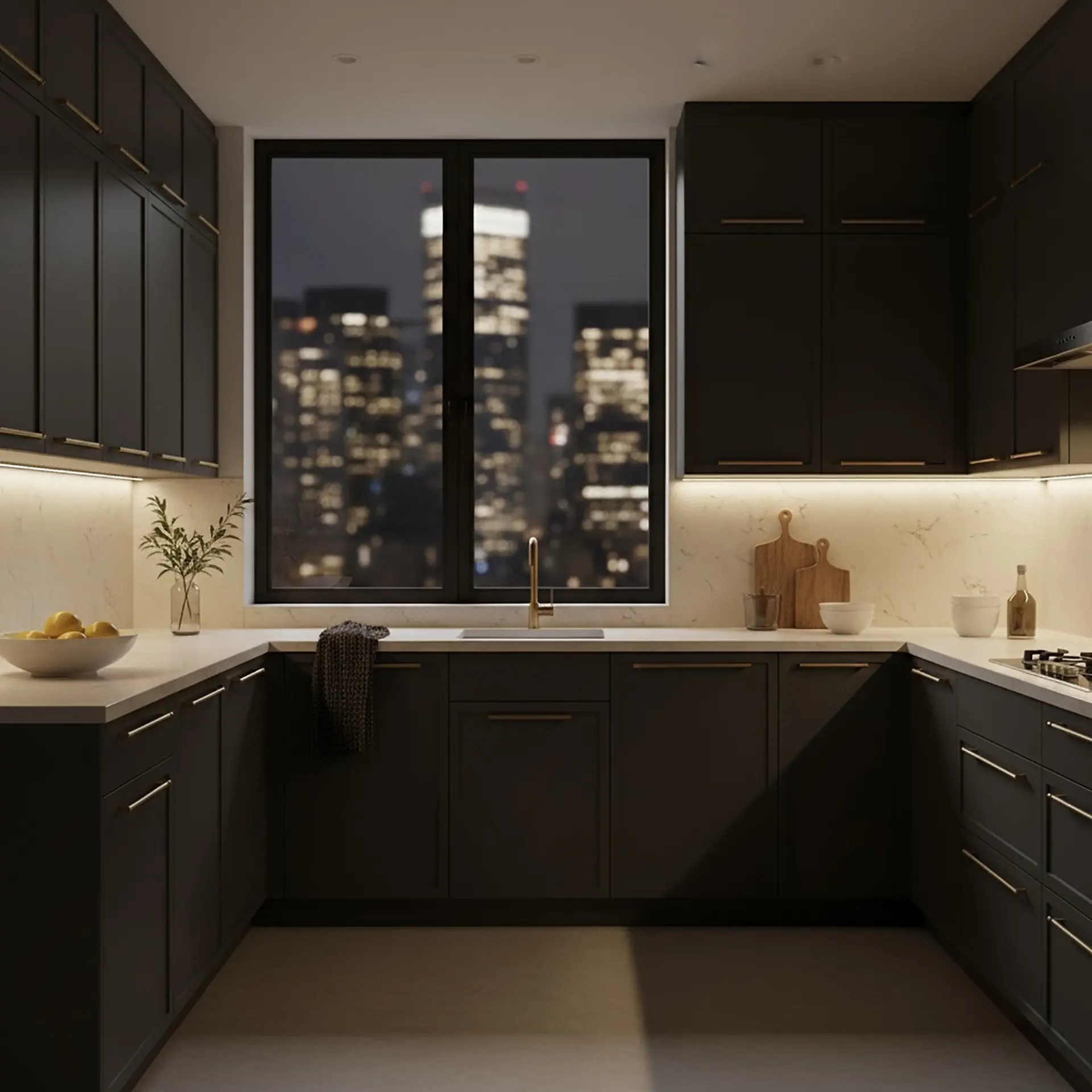
Manhattan has always shaped how its interiors look, and the limestone of its pre-war facades, the dark glass of its towers, and the filtered light that moves between them set a standard for how color behaves indoors: muted neutrals carry a room, considered accents define it, and warm undertones take the edge off industrial materials.
1. Why Color Feels Different in the City
Color never works in isolation, and in Manhattan the conditions it responds to are specific. Daylight arrives filtered by neighboring buildings and reflected off glass, apartments are often compact enough that the wrong tone can make a room feel smaller than the floor plan suggests, and the steel, brick, and concrete that surround most interiors pull colors cooler and darker than they would read elsewhere. Urban interiors depend on tonal balance more than on bold statements, and the subtle shifts between related hues are what make a room feel both modern and grounded rather than cold or underdone.

2. The Anatomy of the Manhattan Palette
At its core, this palette is about atmosphere rather than trend. These are the combinations that have shaped many of the city’s best interiors.
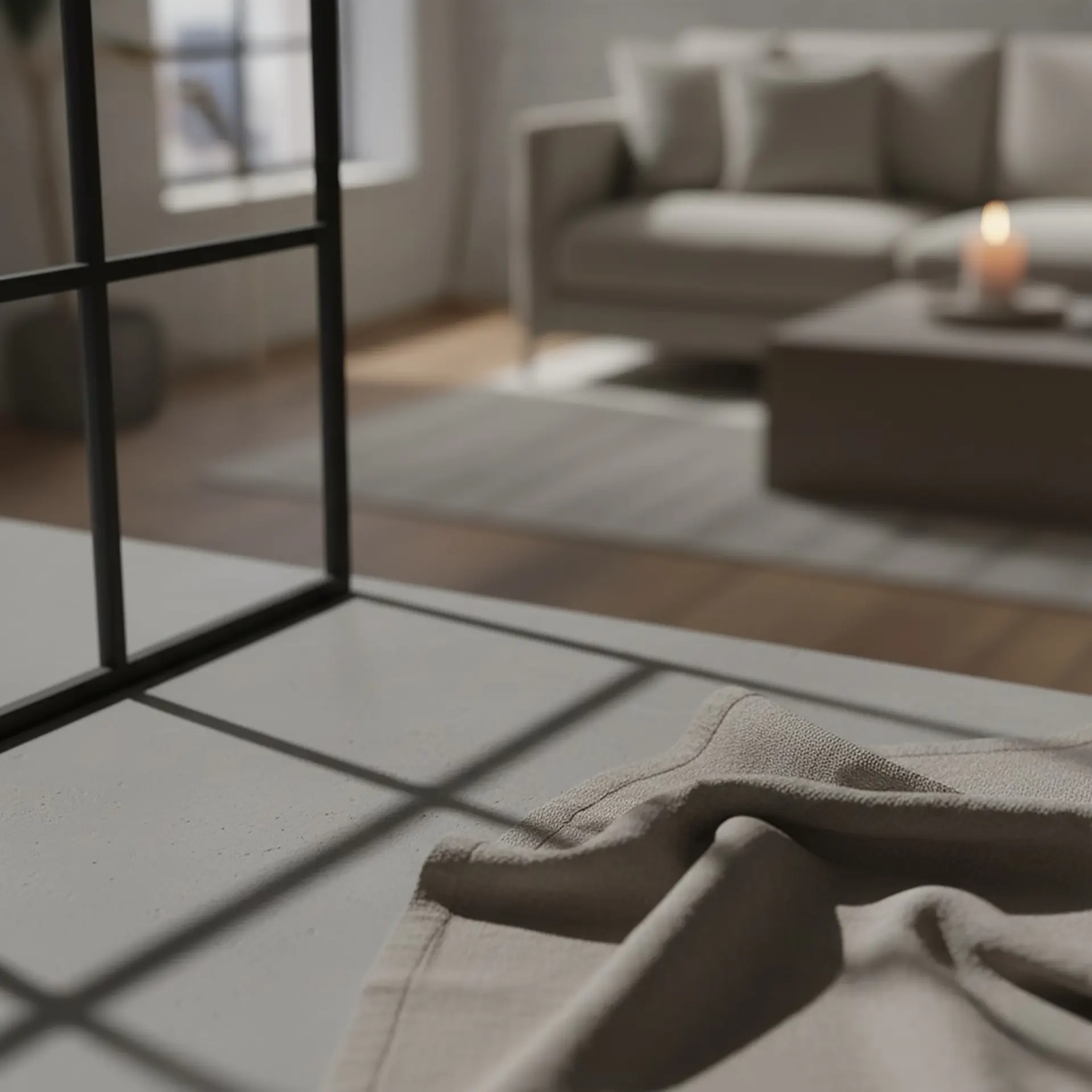
Warm Neutrals with Charcoal Accents. Taupe walls, oak floors, and black steel frames work together because the warmth keeps the industrial edge from feeling cold while the dark accents give the room structure, which is why warm neutrals have largely replaced stark white as the default backdrop in lofts and modern apartments where the architecture already supplies the hard edges.
Greige, Ivory, and Graphite. Architectural and quietly refined, this trio reads as modern Manhattan: the grey-beige mix softens incoming light, ivory keeps the space bright, and graphite adds definition in a way that suits open-plan apartments and penthouses where the proportions are generous enough to absorb the contrast.
Stone White with Midnight Blue. Deep blue echoes the Hudson and the city at twilight, and against a stone-white base it reads as calm and composed, a pairing seen consistently in art-forward lofts and West Village brownstones where the goal is atmosphere over statement.
Camel, Concrete, and Black. Camel introduces warmth, concrete keeps the scheme grounded, and black adds drama. It is often that single organic tone that keeps an otherwise monochrome room from feeling sterile, which makes this combination a reliable choice for contemporary spaces and industrial conversions.
White-on-White, Done Right. Layering whites with texture, matte walls, silk curtains, limestone finishes, creates dimension without relying on color, and the effect is light and expansive in a way that amplifies whatever daylight a space receives, making it particularly well suited to compact apartments.
3. The Psychology Behind Urban Color Choices
New Yorkers lean toward muted palettes rather than vivid ones because interiors are expected to provide what the streets cannot: calm. Research in environmental psychology consistently links muted, low-saturation palettes to reduced visual overstimulation, which is part of why neutral interiors read as restful in dense settings. Tones like beige, greige, and soft taupe echo natural materials in a way that tends to feel steadying. Used well, even dark tones such as charcoal and espresso offer a sense of enclosure that city dwellers often want, while warm whites do the opposite, amplifying daylight to make compact rooms feel larger and more serene.
4. How Designers Build Color in Layers
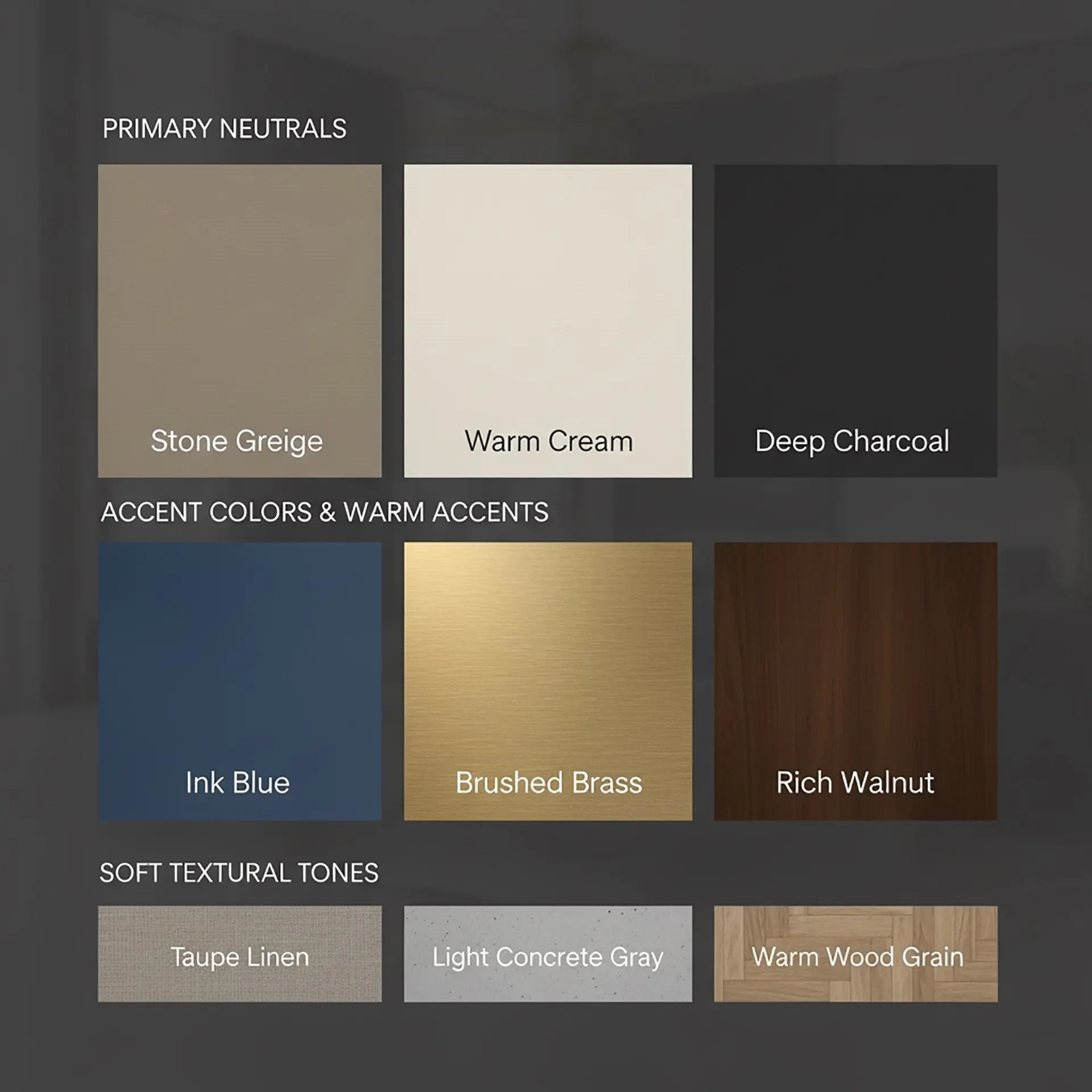
Color works through rhythm and contrast, and the approach that tends to work in Manhattan apartments anchors the room with one deep tone, charcoal, navy, or espresso, to set structure, then layers neutrals such as linen, mushroom, or warm white across walls and furniture. Texture carries more weight than pattern here, since plaster, rattan, stone, and wool create richness without visual noise, and light temperature matters just as much, given that warm bulbs push grey toward gold while cooler light sharpens modern edges. At Hoppler Design & Build, this often means balancing light oak and cream with charcoal or espresso cabinetry to produce homes that feel calm without losing their metropolitan edge.
5. Color as Architecture
At Hoppler Design & Build, color is part of the architecture rather than a finishing layer. The team studies daylight patterns, surface reflectivity, and material undertones, then builds schemes that shift naturally through the day, soft amber in the morning and deeper bronze and grey by evening, with the aim of setting the mood of a space rather than simply decorating it.
The Enduring Appeal of Restraint
Quiet palettes last because they let materials, light, and proportion do the work, and they age well precisely because they do not shout, which is much of what defines Manhattan itself. A considered palette makes a home feel balanced and finished whether it is a downtown loft or an Upper West Side townhouse, adapting across seasons, aging gracefully, and keeping the focus on craftsmanship, light, and proportion.
Tatiana Chechina
Interior Designer & 3D Visualizer

In urban interiors, color usually works best when it’s supported by texture rather than contrast alone. Layering plaster, natural stone, wood, linen, or brushed metals within a similar tonal palette creates much more depth than using multiple strong colors. This approach also helps interiors remain timeless as trends shift over time.
Kitchen Work Aisles and Clearances: Which Numbers Are Actually Required
The number everyone repeats for a kitchen aisle is 42 inches, and in New York City that is not the m
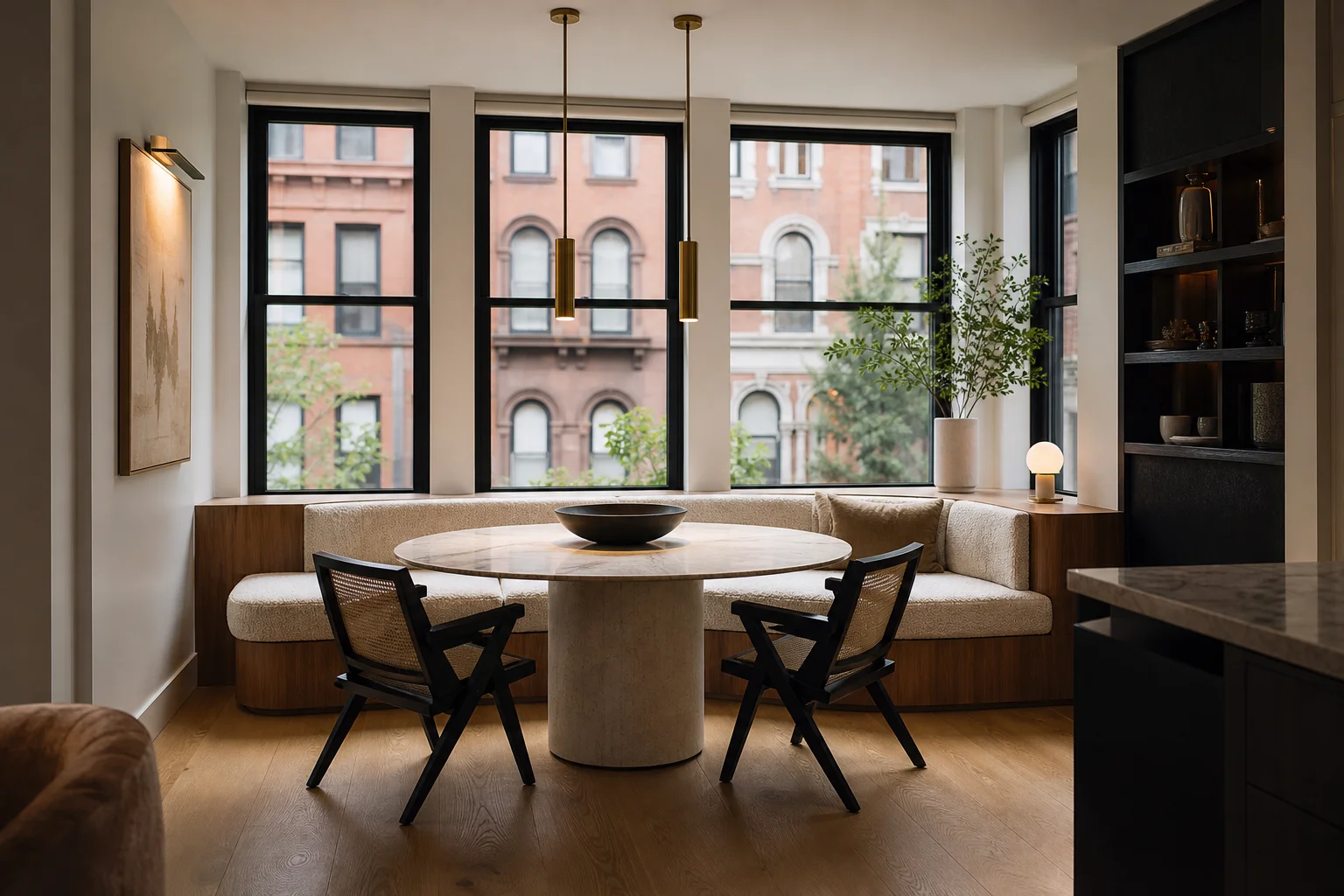
Small Dining Rooms and Breakfast Nooks in NYC Apartments
A small dining room can be comfortable and useful if the layout and the pieces fit the footprint. Th
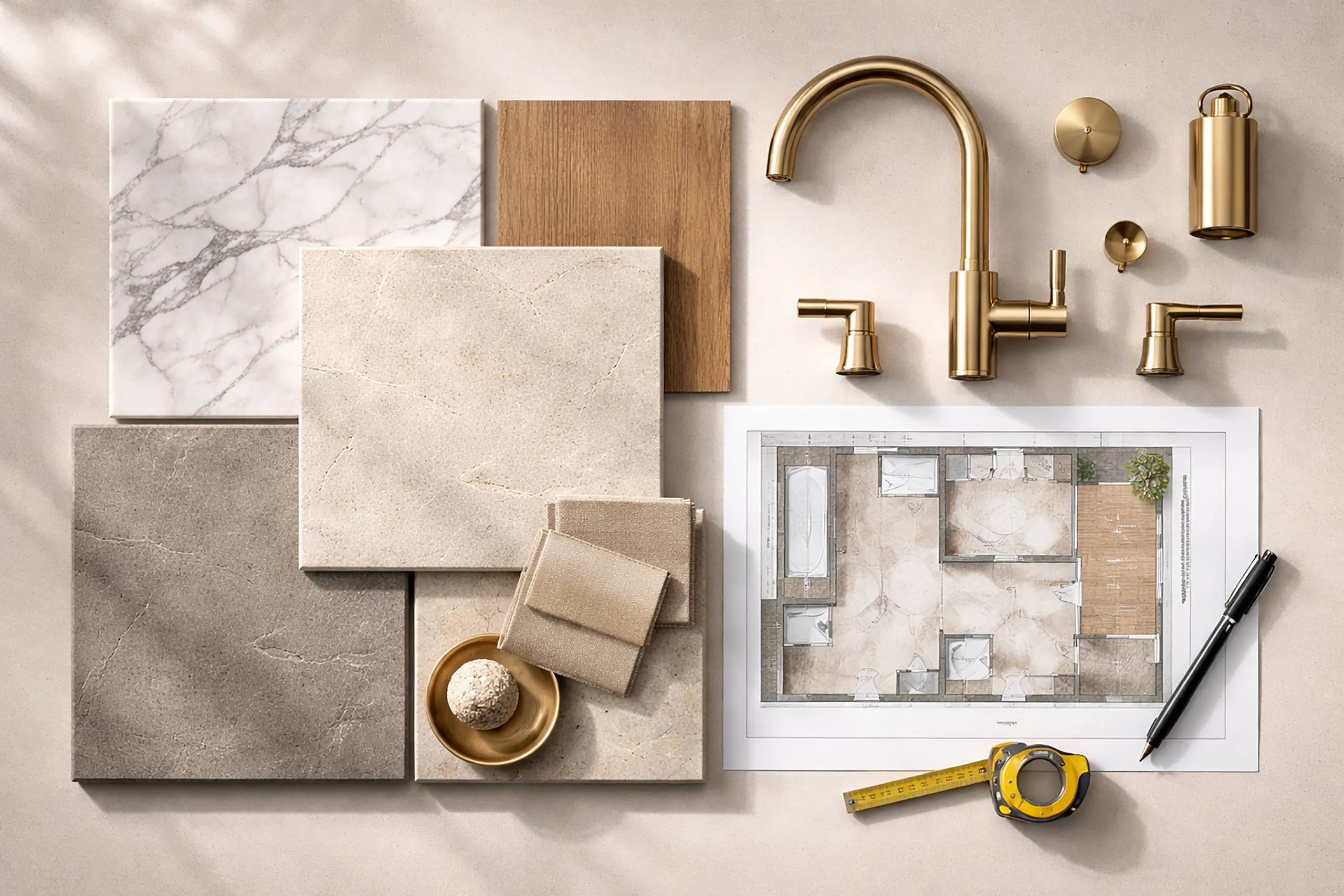
The Ultimate Guide to Bathroom Design Styles – From Japandi to Modern Luxury
This is a practical reference for homeowners and designers planning a refresh or a full renovation.