

The Art of Mixing Old and New in Interior Design
Walk into a well-designed home and you can often feel the balance before you understand it. A weathered oak table sits beside a sculptural lamp. An antique mirror reflects a minimalist wall. A 19th-century chandelier hangs above a clean-lined dining table. These combinations grow out of real intention, and they carry more than nostalgia. They work because contrast, handled with care, is what gives a room its emotional depth.
Mixing eras is one of the most rewarding approaches in interior design, and one of the trickiest. The difference between a space that feels layered and alive and one that feels chaotic or contrived usually comes down to a few principles. Experienced designers apply them quietly, almost without anyone noticing.
Why the Combination Works
Humans are drawn to both familiarity and novelty at once. That pull explains why spaces layering different periods tend to feel richer than ones that stay stylistically uniform. The eye moves, discovers, and pauses. Modern design provides clarity and structure. Vintage design provides character and tactility. An antique desk in a minimalist room anchors the space in something human and made by hand, a quality no contemporary equivalent quite replicates. The best interiors hold both of those qualities at once.
Every object with age carries a past: a patina, a maker’s mark, evidence of use. Combine eras well, and a room begins telling a story through that tension between clean-lined architecture and older craftsmanship. That tension is where the story finds its texture.
How to Build the Composition
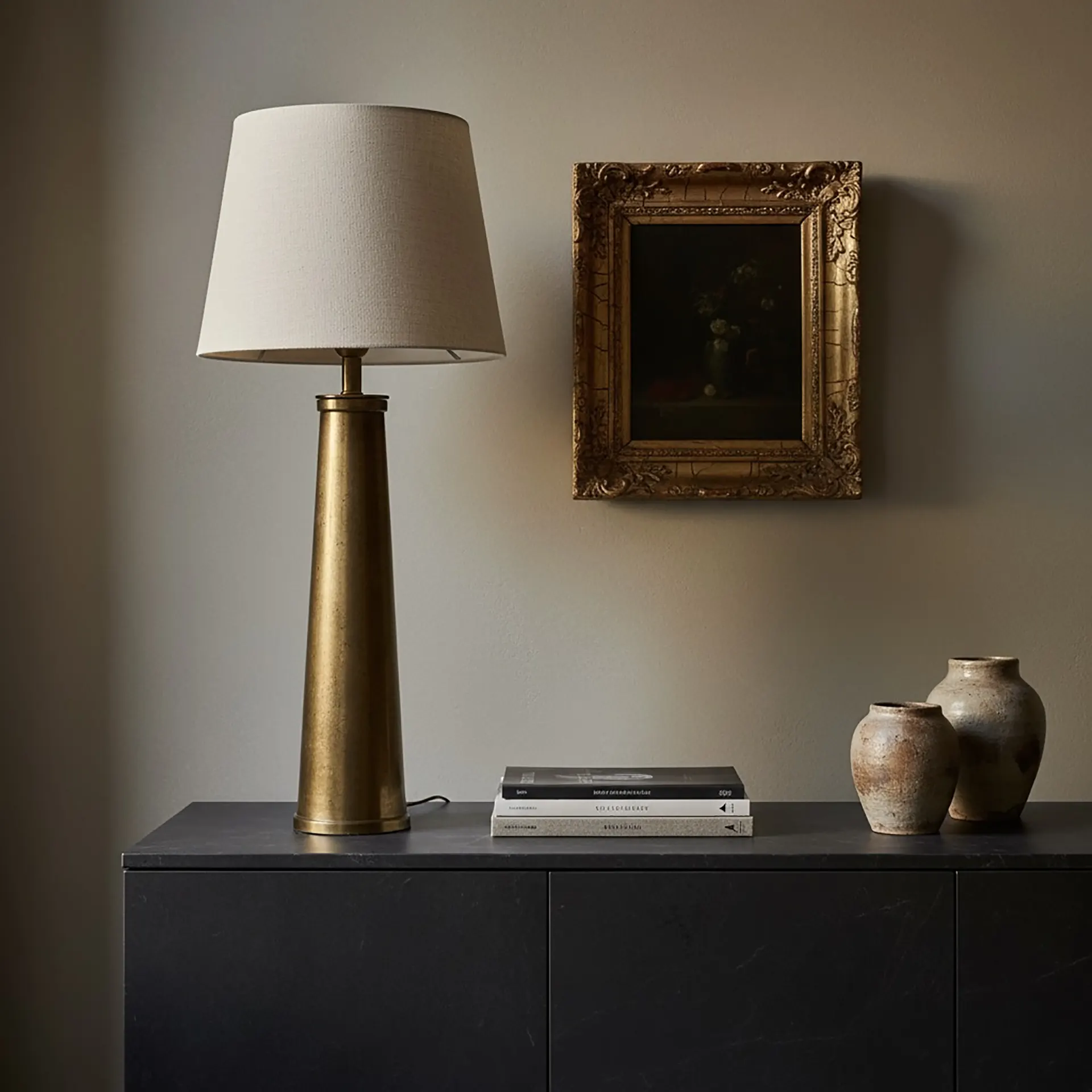
The most reliable starting point is a single strong anchor piece, either modern or antique, with everything else in the room orienting around it. A vintage Persian rug under a contemporary sectional works because the warm traditional pattern grounds the modern seating without competing with it. A sculptural contemporary fixture over a reclaimed table works because one material provides drama and the other provides weight. An antique dresser fitted with modern hardware closes the gap between periods with a single quiet detail. Each pairing creates contrast, and contrast is what creates interest.
Tonal cohesion is what keeps that contrast from becoming noise. Say a vintage piece carries a deep walnut patina. Echo that warmth somewhere else in the room, in a textile, a floor, another piece of furniture, and the space starts to feel considered as a whole. Repetition does most of this work quietly. A modern metal chair beside an antique bronze lamp still reads as cohesive when the two share an undertone or a similar weight of form. A rule of thumb that tends to work: roughly three materials, each appearing at least twice, one dominant tone, one accent, and one contrasting texture. That structure holds the room together while still feeling personal, never matched from a catalog.
Scale and placement matter just as much as material. Large modern furniture calls for smaller vintage accents to provide counterbalance. Ornate, historic architecture can absorb bold sculptural modern shapes while keeping its own character intact. The goal is rhythm. A room should feel choreographed, built with a sequence and a pace, the way a piece of music is built.
The Role of Architecture
In spaces that blend styles, the architecture functions as the frame holding the conversation between periods together. Neutral walls, simple flooring, and clean lines give both vintage and modern pieces room to be seen on their own terms. At Hoppler Design & Build, this gets described sometimes as architectural silence, a calm, restrained shell that lets furniture and art do the talking. An overworked background pulls attention away from the pieces themselves, and the layered quality that makes this approach interesting fades along with it.

Imperfection plays into this too. Patina, scratches, and fading give a vintage piece its value, the exact quality that earns it a place alongside something new. Paired with modern minimalism, those marks grow more visible and more precious. Honest materials, stone, metal, and wood allowed to age naturally, tend to hold up better in these interiors over time.
Where to Find the Right Pieces in New York
Part of what makes this approach practical in the city is how much genuine vintage sits within reach. The Hell’s Kitchen Flea Market is a consistent source for one-off furniture, lighting, and objects with real age. For higher-end and verified pieces, 1stDibs, headquartered in New York, lets you search by era, maker, and material before committing to anything. The antique and salvage dealers across Brooklyn, particularly around Gowanus and Williamsburg, are worth a slow afternoon for reclaimed wood, industrial fixtures, and mid-century finds. Estate sales and auction previews round out the options.
Finding one anchor piece with genuine history, and letting the modern layer grow around it, tends to matter far more than the number of places you shop.
Blending vintage and modern comes down to harmony between history and innovation. When a design honors both the craftsmanship of the past and the clarity of the present, the result feels settled in a way few purely contemporary or purely traditional spaces manage. Great design carries history forward, keeping it present in the room rather than filing it away.
Tatiana Chechina
Interior Designer & 3D Visualizer

In spa-inspired bathrooms, visual simplicity is important, but functionality is what truly shapes the experience long-term. Heated surfaces, concealed storage, layered lighting, and proper material selection for humidity all contribute to creating a space that feels calm on a daily basis, not just aesthetically luxurious in photos.

From Drab to Fab: The Power of a Bold Accent Wall
Imagine walking into a room that feels instantly energized and welcoming, where one wall commands at
Media Walls and TV Placement in NYC Living Rooms
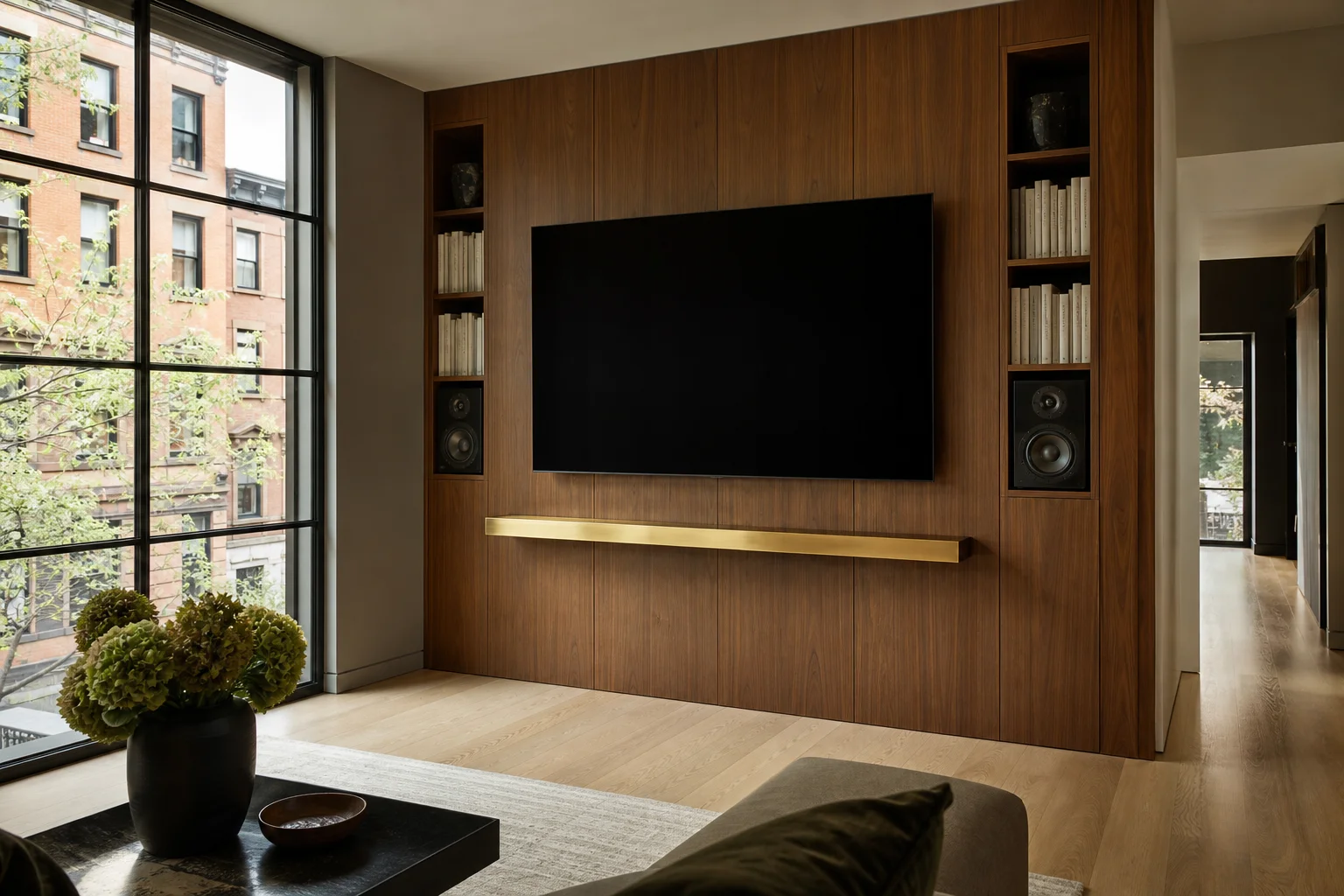
A good media wall balances sightlines, sound, and storage so the screen looks intentional, not accid
Your Bedroom Has the Wrong Energy
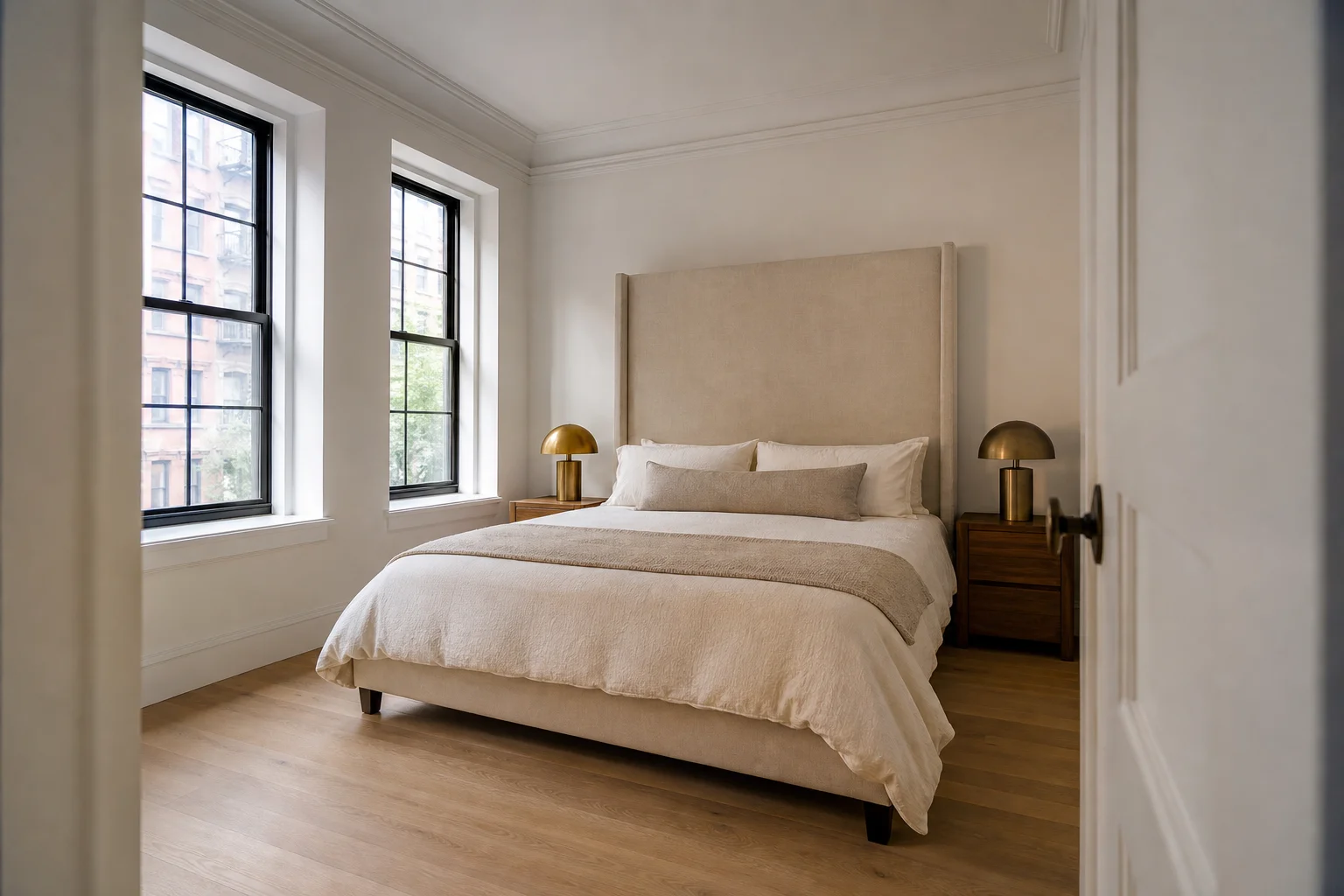
On a gut renovation in Yorkville, the couple kept the bed under a window and both said they woke up