

How to Combine Old and New: Mixing Vintage With Modern Design.
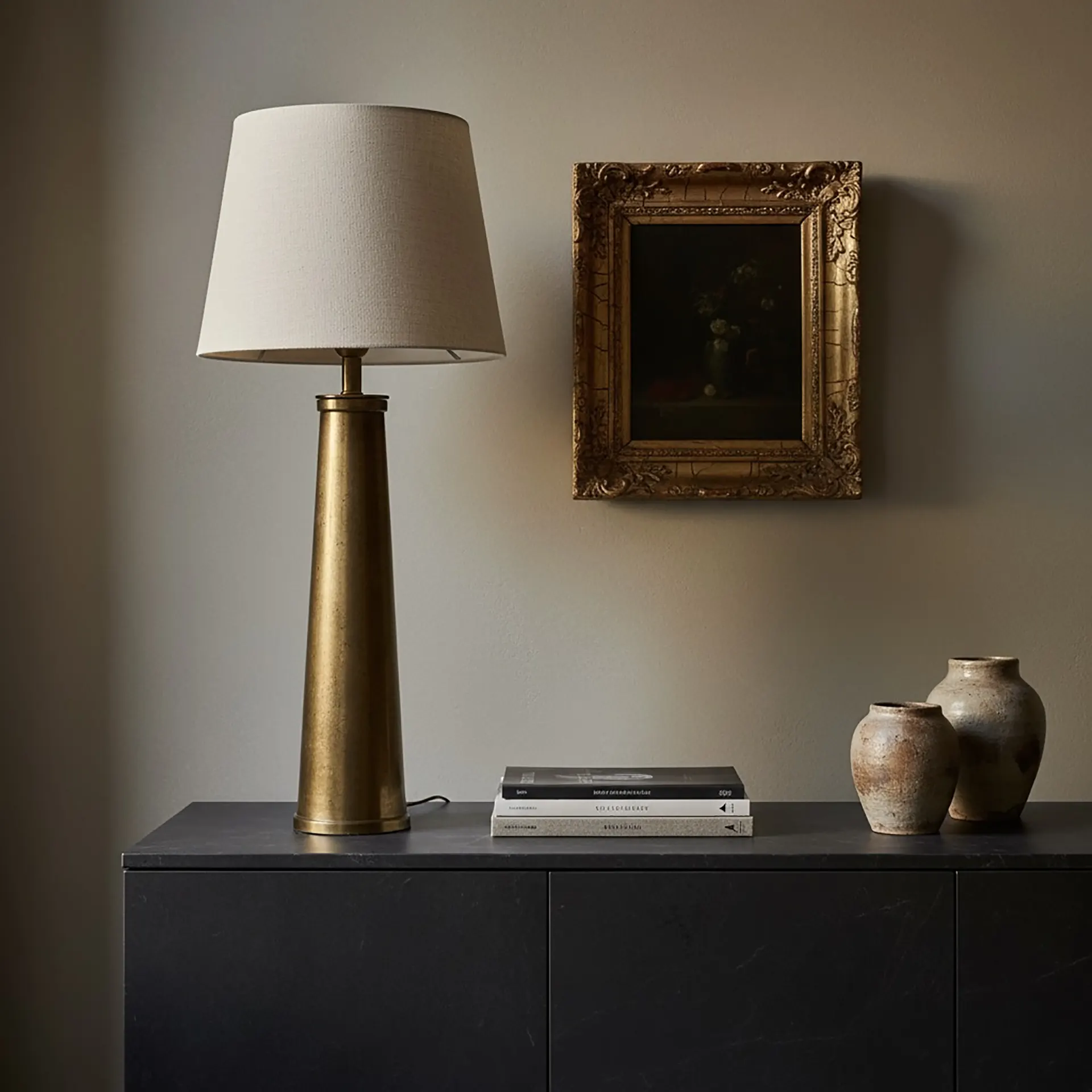
Walk into a beautifully designed home, and you can often feel it before you understand it — a quiet harmony between eras, a dialogue between time-worn textures and sleek lines. A weathered oak table beside a sculptural lamp. An antique mirror reflecting a minimalist wall. It’s not nostalgia or novelty — it’s balance.
This is the art of combining old and new — one of the most rewarding, but also one of the trickiest, approaches in design. Done right, it creates spaces with depth and personality. Done wrong, it feels chaotic or contrived.
Let’s explore how designers achieve that perfect tension between vintage soul and modern clarity — and why firms like Hoppler Design & Build treat this balance not as a style choice, but as a design philosophy.
1. Why mixing eras works — the psychology behind timelessness
Humans are drawn to contrast. Our brains crave both familiarity and novelty — the comfort of what we recognize and the excitement of what feels new.
“Spaces that layer different periods create a psychological richness. The eye moves, discovers, pauses — it tells a story.” — Elle Decor (2023)
That’s why an antique desk in a minimalist room feels so captivating — it anchors us in something human, something tactile. Modern design provides clarity; vintage design provides character. The best interiors live somewhere between the two.
2. Think of design as storytelling
Every object carries a past — a patina, a maker’s mark, a history of use. When you combine eras, you’re not just decorating; you’re curating a narrative.
A 19th-century chandelier above a sleek dining table isn’t an accident — it’s a conversation across centuries.
“The tension between clean-lined architecture and vintage craftsmanship is what gives a room emotional texture.” — Architectural Digest (2024)
3. Find your anchor piece — then build around it
One of the simplest and smartest ways to start blending eras is to anchor your space with one strong piece — either modern or antique — and let everything else orbit around it.
| Anchor Piece | Complementary Element | Design Effect |
|---|---|---|
| Vintage Persian rug | Modern sectional sofa | Warm traditional pattern grounds contemporary seating |
| Sculptural contemporary light fixture | Reclaimed farmhouse table | Modern drama elevated by rustic craftsmanship |
| Antique dresser | Modern hardware | Classic furniture updated with contemporary details |
Each of these combinations creates contrast — and in design, contrast equals interest.
Hoppler Design & Build often uses this principle when renovating Manhattan apartments: preserving historic architectural details and framing them with clean, modern finishes.
4. Balance materials and tones
The secret to harmony lies in tonal cohesion.
If your vintage piece has a deep walnut patina, echo that warmth elsewhere. If your modern design leans minimalist and monochrome, balance it with one organic texture.
“When combining modern and traditional elements, the trick is repetition — a modern metal chair beside an antique bronze lamp still feels cohesive when both share the same undertone or shape language.” — House & Garden UK (2024)
5. Use architecture as your neutral stage
When you blend styles, architecture becomes the frame that holds the conversation together.
Neutral walls, simple flooring, and clean lines allow vintage or modern pieces to breathe.
Hoppler calls this “architectural silence” — creating calm, minimal shells that let furniture and art speak.

6. Play with scale and placement
Mixing old and new isn’t about alternating pieces; it’s about rhythm.
If your room has large modern furniture, balance it with smaller vintage accents. If the architecture is historic and ornate, offset it with bold, sculptural modern shapes.
“The best interiors aren’t chronological; they’re choreographed.” — Dezeen (2024)
7. Don’t match — harmonize
Matching belongs to catalogs; harmony belongs to lived-in design.
You don’t need your vintage oak table to match your modern chairs — you need the composition to feel intentional.
Rule of thumb:
- Three materials, each repeated at least twice.
- One dominant tone, one accent tone, one contrasting texture.
8. Let imperfection do the talking
One of the gifts of vintage design is imperfection — patina, scratches, fading. These marks tell stories.
Paired with modern minimalism, they feel even more precious.
“True luxury is not about perfection. It’s about comfort, ease, and the evidence of life.” — Financial Times (2023)
That’s why Hoppler favors honest materials: stone, metal, wood — allowed to age naturally.
Final Thoughts
Blending vintage and modern isn’t about contrast for the sake of contrast — it’s about harmony between history and innovation.
When design honors both the craftsmanship of the past and the clarity of the present, the result feels timeless.
Studios like Hoppler Design & Build excel at that balance — crafting interiors where eras meet effortlessly.
Because great design doesn’t erase history. It evolves it.

The Psychology of Space: Why Good Design Feels Effortless
When you walk into a room and immediately feel at ease, there’s something deeper at play than just
The Manhattan Palette: Timeless Color Combinations for Urban Interiors.
Manhattan has always been a canvas for design — a vertical gallery of glass, steel, and stone that

Why Do Some Homes Just Feel Right? The Science of Flow in Interior Design
Have you ever walked into a home and instantly felt your shoulders drop? You take a breath. You feel