

The Art of Patience: Why Great Renovations Take Time
We live in a culture obsessed with speed. We are used to one-click purchases, next-day deliveries, and instant gratification. We have been trained to believe that fast equals efficient. But some things—usually the most important things—simply resist acceleration. Architecture is one of them.
In the world of high-end construction, you cannot rush alignment. You cannot fast-track craftsmanship. And you cannot compress time without sacrificing the one thing you actually want: permanence. At Hoppler Design and Build, we believe that in design, patience is not a delay. It is a tool. Here is why true luxury takes time.

1. The Illusion of the 3-Month Renovation
In New York, every client has heard the siren song: We can finish this in three months. It sounds wonderful. It is also usually a lie—or worse, it is true, but at a terrible cost. Fast work often hides unfinished systems. Walls go up before inspections pass. Subfloors are not leveled because there was not time. The home looks finished on move-in day but begins to fail months later—squeaking floors, peeling paint, cracking grout.
The reality: Every week you save by rushing, you will pay for later in repairs. Luxury is defined by the absence of compromise.
2. The Rhythm of the Build
A renovation is not a sprint; it is a symphony. Every project follows a natural rhythm. Skip a beat, and the composition collapses. This is not inefficiency—it is respect for the materials and technical requirements of the build.
| Process | Requirement | Consequence of Rushing |
|---|---|---|
| Plaster Application | Full cure time | Bubbling paint and surface delamination |
| Wood Flooring | On-site acclimation | Warping, cupping, and structural gaps |
| System Testing | Pre-closure verification | Inaccessible leaks or electrical failures |
3. The Invisible Craftsmanship
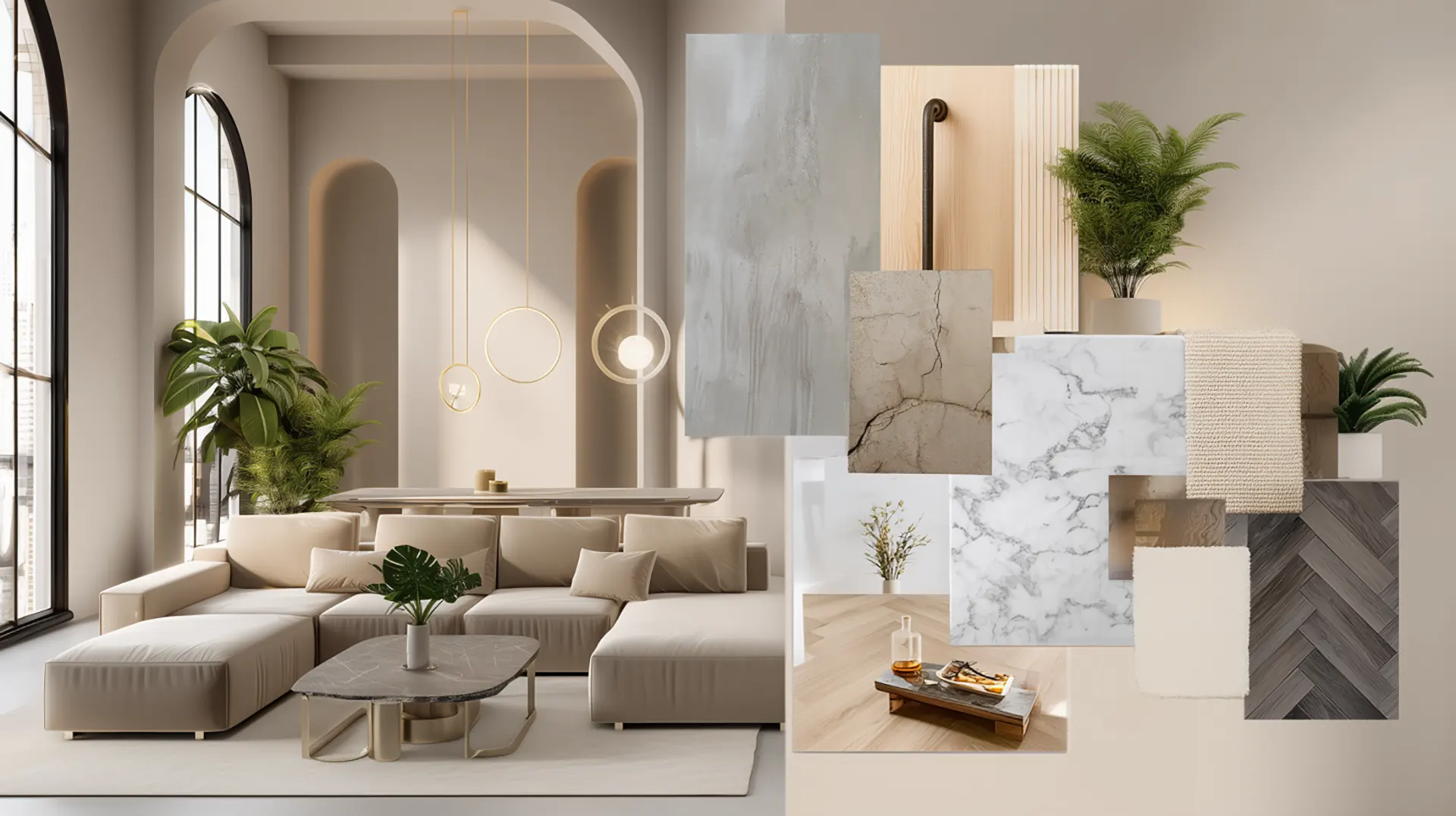
The most important patience is the kind clients rarely see. It is the time spent waiting for concrete to reach full compressive strength, custom millwork resting in climate-controlled storage, or imported stone clearing meticulous customs inspections. To outsiders, this looks like inactivity. To us, this is the architecture breathing.
We plan using parallel processes—while the floors acclimate, we work on the lighting integration. This orchestration is what separates a renovation that lasts fifty years from one that looks tired in five.
4. Speed Builds Spaces. Time Builds Stories.
There is also a psychological dimension. Rushed schedules push clients toward impulse decisions. Time creates clarity. It lets you observe samples at different hours, understand how materials behave under varying light, and refine your vision. The slower the build, the clearer the meaning.

5. Time as a Material
In true luxury construction, time is as real a material as stone or brass. You can feel it in the finished work: the depth of hand-applied plaster, the softness of a banister sanded six times, and the perfect alignment of custom cabinetry. We build like watchmakers. We do not aim to be the fastest—we aim to deliver the last renovation you will ever need.
In an industry that sells immediacy, choosing patience is a radical act. Time is not what slows the process—it is what gives a home its soul. Let the plaster dry. The result will be worth the wait.

How to Plan an Apartment Renovation in NYC: Inspiring Ideas and Strategic Planning
Planning an apartment renovation in New York City requires more than design inspiration. Between bui
Buying to Renovate: What to Look for Before You Sign
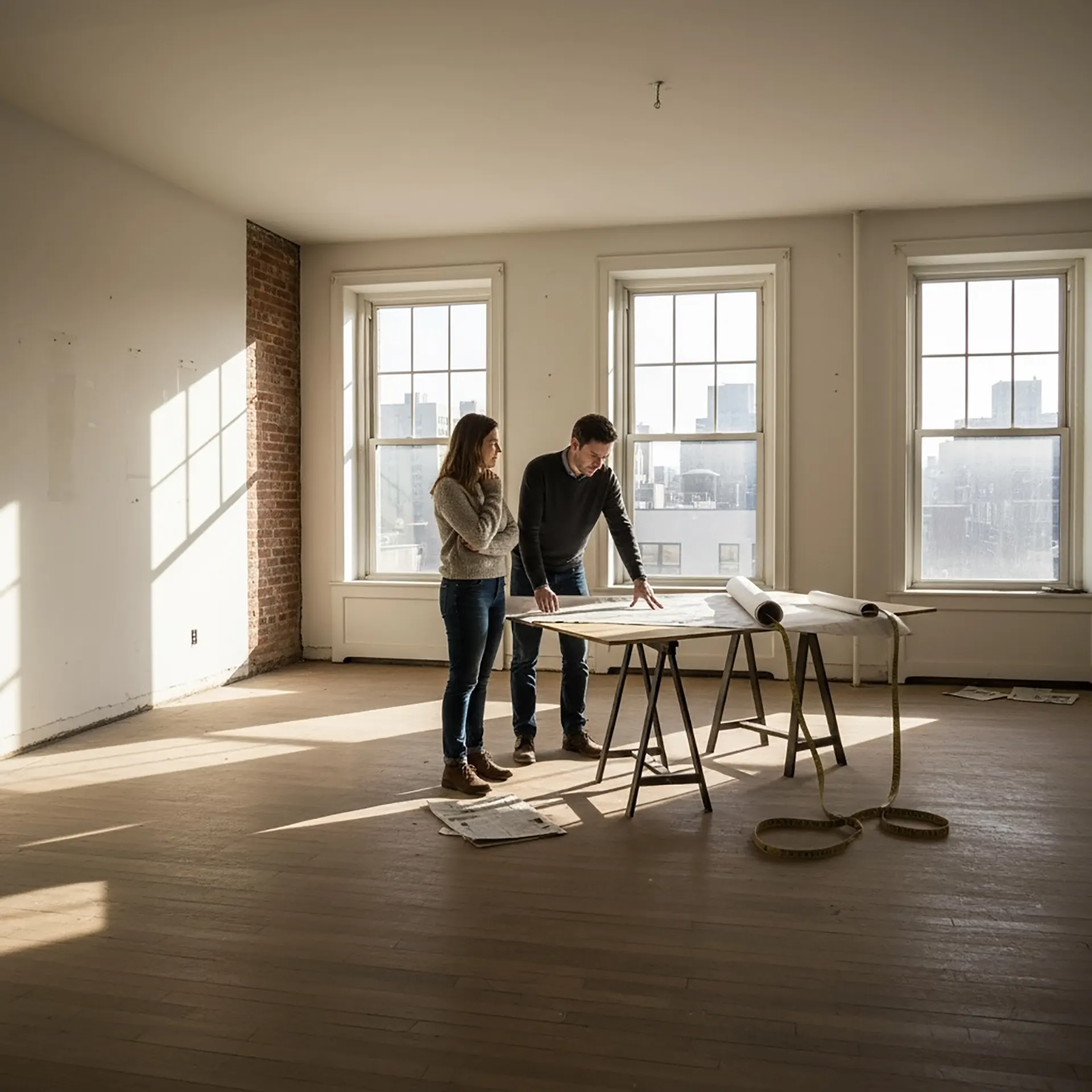
In New York City, the dream of “buying to renovate” is as exciting as it is risky. You f

How to Read a Floor Plan Like a Pro
Whether you’re purchasing a new apartment, embarking on a full renovation, or simply evaluating it