
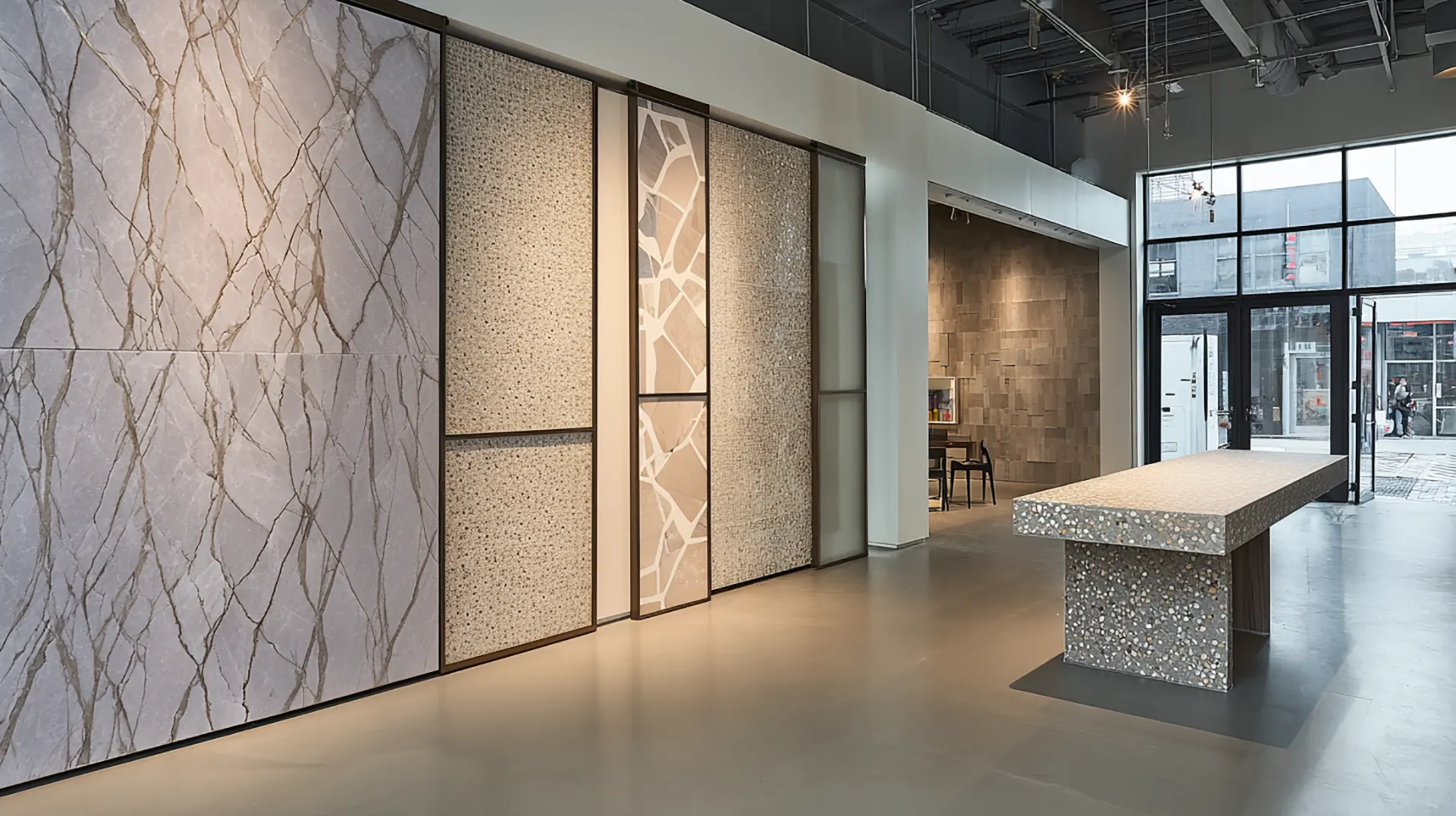
The New Tile Revolution: Innovative Materials Changing the Game
The tile industry is undergoing a true renaissance, transforming tiles from simple functional surfaces into sophisticated design elements that merge art, technology, and architecture. Gone are the days of basic ceramic squares—today’s innovations mimic everything from weathered concrete to exotic woods or precious metals, while delivering superior durability and performance. Thanks to advanced manufacturing, digital printing, and innovative compositions, tiles now provide unprecedented creative freedom alongside practical advantages for high-traffic and moisture-prone areas.
The most exciting innovations combine beauty with function, offering slip resistance, antimicrobial properties, and flexible installation that expand design possibilities. This revolution isn’t just about more choices—it’s about reshaping surface design in both residential and commercial spaces.
Large-Format Porcelain: The Contemporary Game-Changer
Large-format porcelain tiles have become the centerpiece of modern design, delivering the luxurious look of natural stone slabs at more accessible costs. Tiles measuring 24×48 inches or larger create seamless, sophisticated spaces with fewer grout lines, reducing visual clutter and simplifying maintenance—particularly valuable in kitchens and showers.
Advances in production allow these tiles to be incredibly thin—sometimes just 6mm—without compromising strength, making them suitable for countertops, walls, and even cladding. Installation does require skilled professionals, but the dramatic visual payoff transforms ordinary spaces into architectural statements.
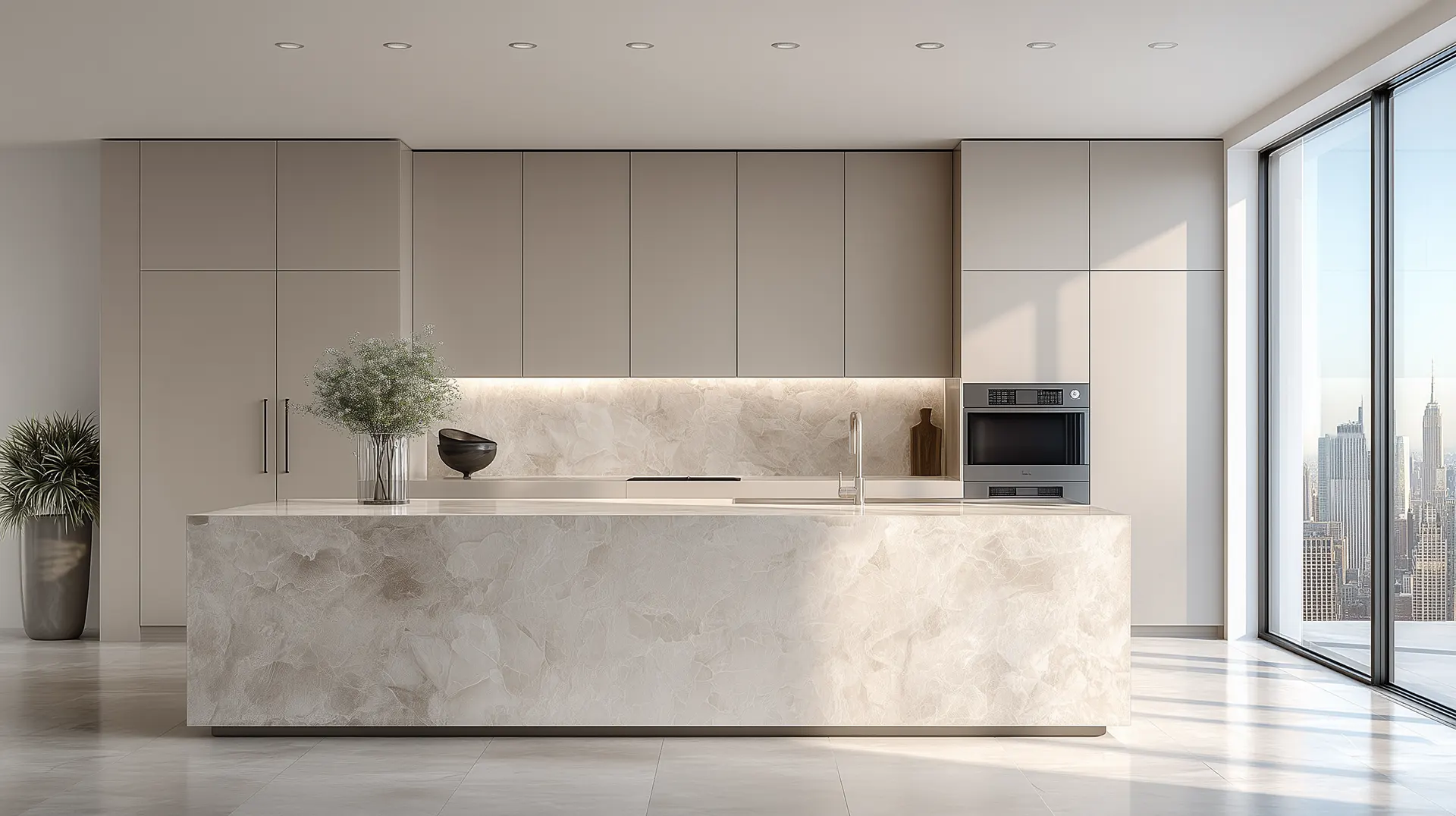
Digital Printing: Endless Creative Possibilities
Digital printing technology has revolutionized tile design by enabling manufacturers to reproduce virtually any pattern, texture, or image with remarkable accuracy. From wood-look tiles showing every grain detail, to fabric-inspired patterns or metallic finishes, today’s printed tiles fool both the eye and touch.
Beyond imitation, digital printing allows for custom artistry—family photos, original artwork, or bespoke patterns permanently embedded into surfaces. Japanese bathroom design has embraced this trend, using digitally printed tiles that replicate bamboo, tatami, or natural stone while offering durability and moisture resistance for modern living. Viewing samples in person remains crucial, as lighting and surface textures impact the final look.
Terrazzo’s Bold Comeback
Terrazzo, a 15th-century Italian invention, has re-emerged as one of the most exciting contemporary tile options, blending sustainability and bold design. Modern terrazzo incorporates recycled glass, marble chips, brass, or even smartphone glass, producing distinctive surfaces that balance history with innovation.
Perfect for full gut renovations, terrazzo can unify spaces while adding dynamic visual interest. Advances in manufacturing make terrazzo tiles more accessible and easier to install than poured versions, while improved sealants ensure long-lasting beauty with minimal maintenance. Its limitless customization ensures every installation is truly unique, embodying the balance of tradition and innovation driving today’s tile revolution.
Tile Design Revolution Highlights:
- Large-Format: Reduces grout lines, creates seamless stone-like appearance.
- Digital Printing: Allows photorealistic reproduction of wood, fabric, and custom art.
- Terrazzo Revival: Blends sustainability (recycled materials) with bold, customized patterns.
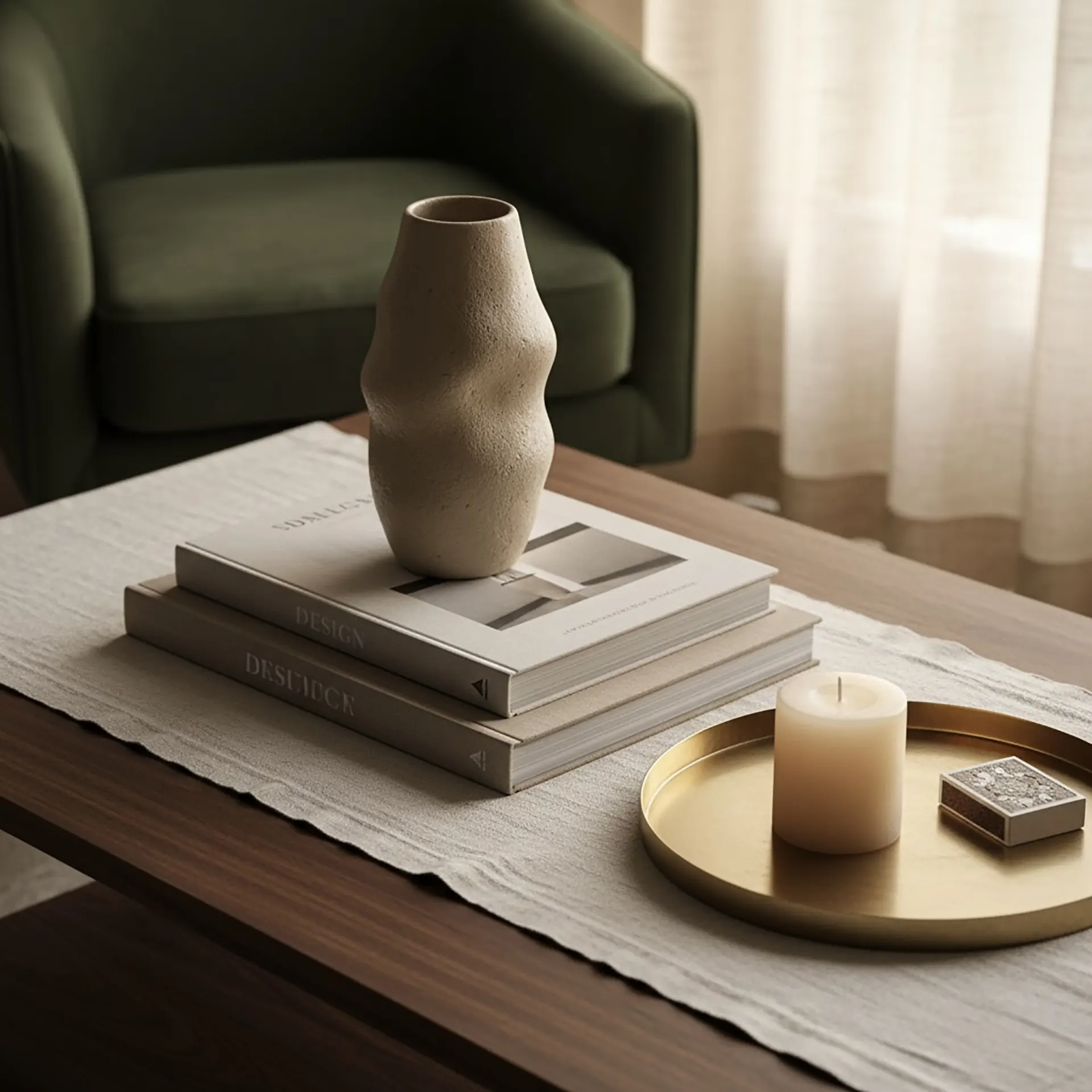
Texture Talk: Adding Depth and Warmth to Your Interiors
Texture represents one of the most underappreciated elements in interior design, yet it possesses th

The Great Material Face-Off: Quartz vs. Granite vs. Marble Countertops
Choosing the perfect countertop material ranks among the most crucial decisions in any kitchen or ba

In Defense of Detail: Why the Smallest Things Matter Most in Construction
Stand in a finished luxury apartment and look around. What do you see? Smooth walls. Perfect light.