
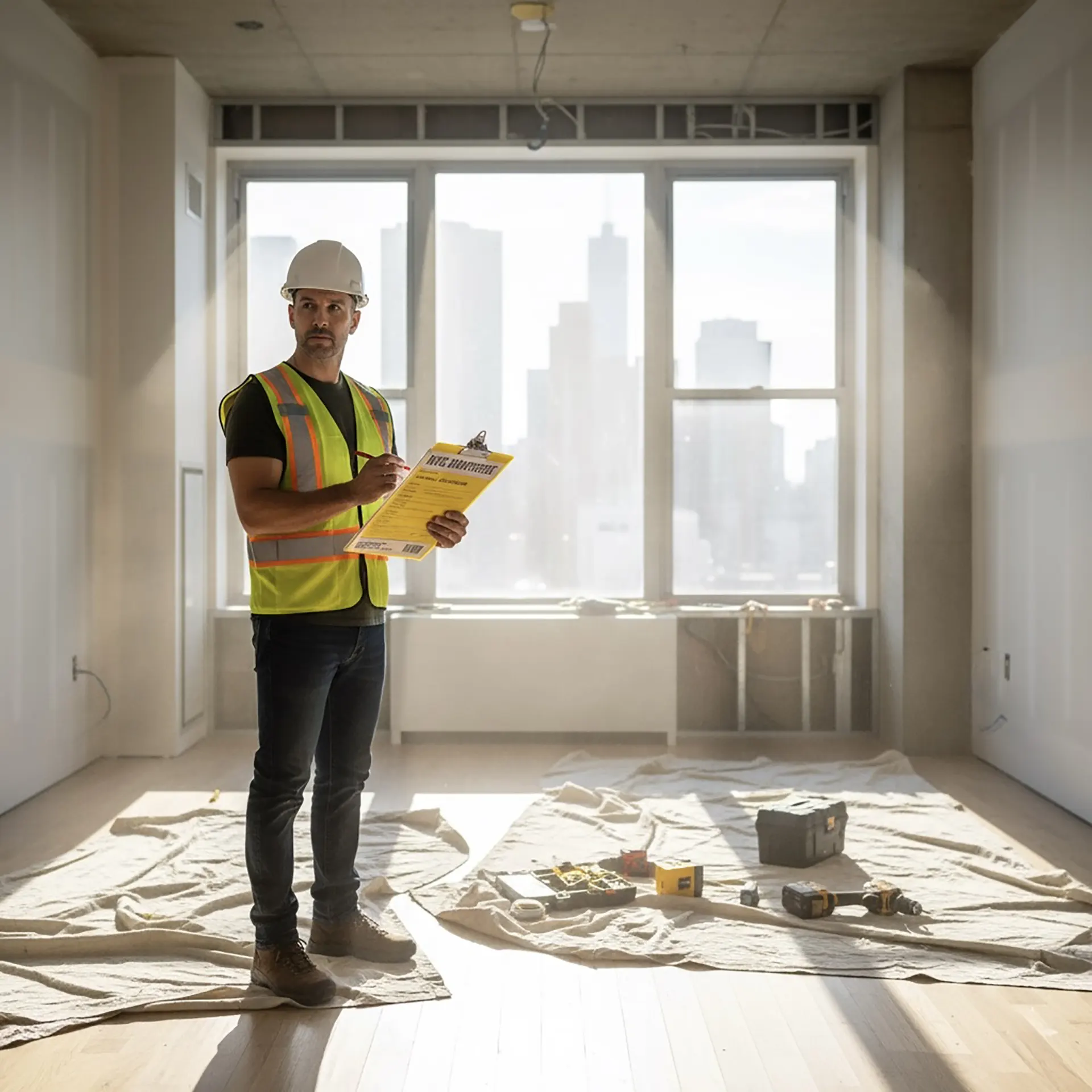
When Good Renovations Go Bad: NYC Violations and How to Fix Them
Even carefully planned renovation projects can spiral into legal trouble when violations occur, turning a home improvement into a drawn-out dispute with city agencies that can threaten your ability to sell, refinance, or simply enjoy the finished space. The Department of Buildings does not distinguish between an honest mistake and a willful violation. Both carry the same financial and legal consequences.
A single oversight, whether it is starting work without proper permits, deviating from approved plans, or hiring an unlicensed contractor, can trigger violations that halt a project, impose fines, and require remediation that often costs more than doing the work correctly from the start. Understanding how the violation system works is the best way to avoid it, and to know your options if a violation does occur.

Stop Work Orders
A Stop Work Order is the DOB’s most severe enforcement action. It immediately halts all construction activity, and work cannot resume until the order is officially lifted, often arriving in the middle of a project when contractors are mid-phase and timelines are tight.
Stop Work Orders are typically issued when:
- Work proceeds without proper permits
- Construction deviates significantly from approved plans
- A condition poses an immediate safety risk to workers or occupants
- Unlicensed contractors are performing regulated work
Resolving one generally means filing new permit applications for any unpermitted work, revising plans if the built conditions no longer match what was approved, paying accumulated fines, and scheduling a DOB inspection before permission to resume is granted.
The cost of a Stop Work Order rarely stops at the fine itself. Contractor rescheduling fees, extended temporary housing, storage costs for materials and belongings, and in some cases neighbor claims over prolonged disruption can add up well beyond the direct penalty.
This same resolution sequence applies to most DOB violations, not just Stop Work Orders: get the specific violation details and requirements, develop a corrective action plan with licensed professionals if needed, file or revise permit applications, schedule a DOB inspection to verify compliance, and pay accumulated fines to close the case.

ECB Violations and Penalty Structures
Environmental Control Board violations and other DOB penalties accrue daily until resolved, which is intentional: the structure is designed to push owners toward quick compliance rather than prolonged delay.
| Violation Type | Initial Fine | Daily Penalty Pattern |
|---|---|---|
| Working without permits | $800 to $2,500 | Continues until permit obtained |
| Exceeding permitted hours / unsafe conditions | Varies by category | Accrues until corrected |
These figures reflect typical ranges at the time of writing. ECB penalty amounts are adjusted periodically and tend to run higher for repeat violations, so treat any specific number as a starting point and confirm current rates with the DOB or a violations attorney before budgeting around them. Left unaddressed, a violation that started at a few hundred dollars can accumulate into the tens of thousands.
Legalization: The Path to Compliance for Completed Work
Legalization is the process for bringing already-completed, unpermitted, or out-of-scope work into compliance after the fact. It typically costs more and takes longer than obtaining permits before construction begins, since it requires as-built drawings prepared by licensed professionals, a code compliance analysis of the existing work, and professional inspections and certifications.
Kitchen layout changes or bathroom relocations involving plumbing and electrical work are some of the more complex legalization cases, since current code may require upgrades the original work did not include, such as an updated electrical panel, improved ventilation, or additional waterproofing. An experienced expeditor can be useful here, since navigating DOB procedures, coordinating with architects and engineers, and identifying cost-effective compliance strategies is most of what the legalization process involves.
Why Open Violations Follow the Property
Open DOB violations are not private. They are visible to anyone in the DOB’s public BIS database, which means a violation from years ago can surface the moment a buyer’s attorney or lender runs due diligence on the unit. In Manhattan, where deals routinely fall through over title issues, this is one of the more painful ways unresolved violations resurface: closing typically cannot proceed until the violation is cleared, which can stall or kill a sale at the worst possible moment in the transaction.
Prevention
The most reliable way to avoid this entire process is to treat compliance as part of the renovation budget rather than an afterthought. Obtain permits before starting work, use only licensed professionals for regulated trades, follow approved plans exactly or file amendments when conditions change, and keep documentation of everything for future reference. Most violations are preventable, and most that do occur can still be resolved through proper procedure, professional help, and patience, though usually at the cost of additional legal fees, expeditor services, and corrective work.
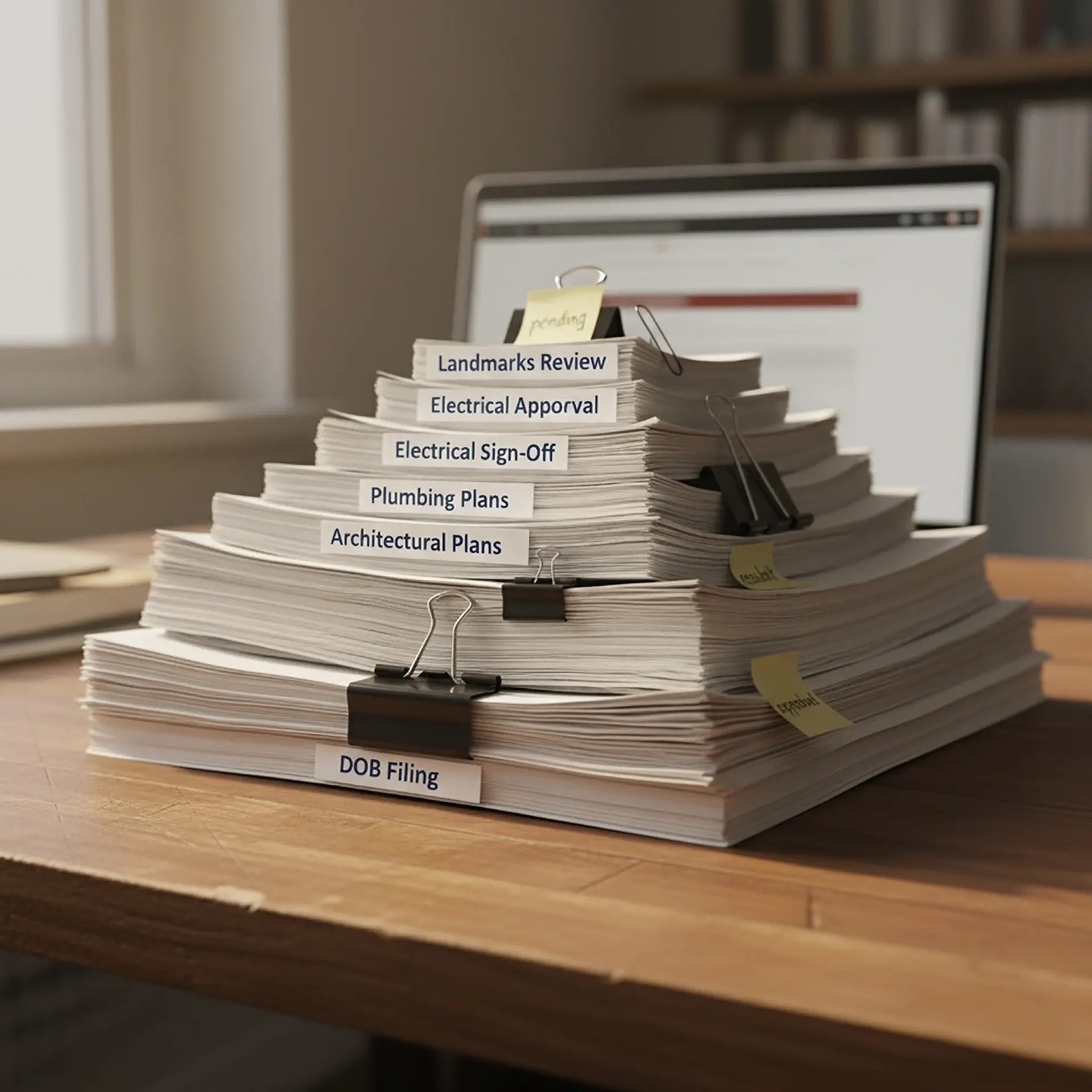
The Permit Pyramid: Who Approves What in NYC Construction
Renovating anything in New York City, from a studio apartment to a brownstone, means navigating a hi
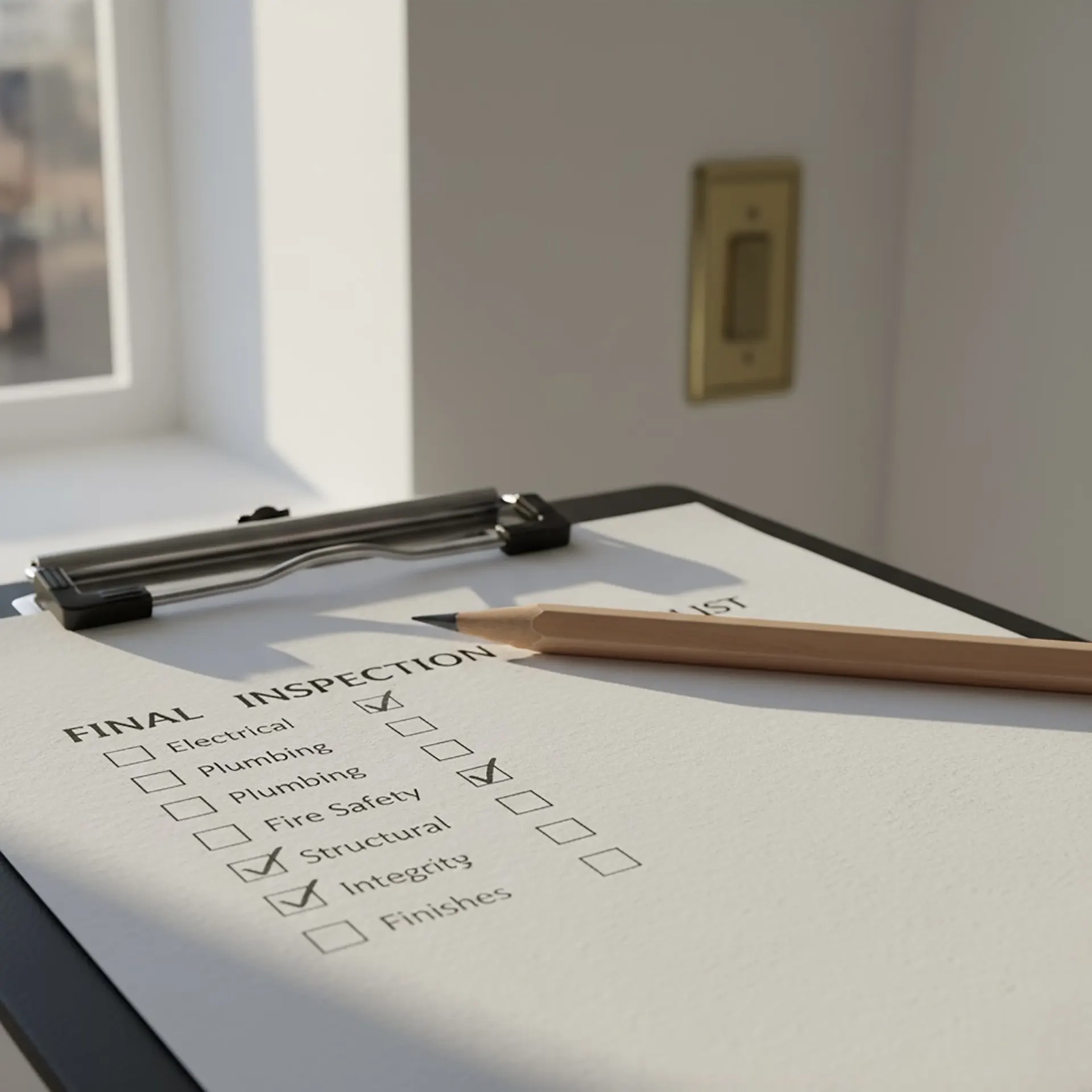
Inspections, Sign-Offs, and Surprises: What Actually Happens After Construction Ends
Until the Department of Buildings signs off on a project, every permitted wall, wire, and pipe conne
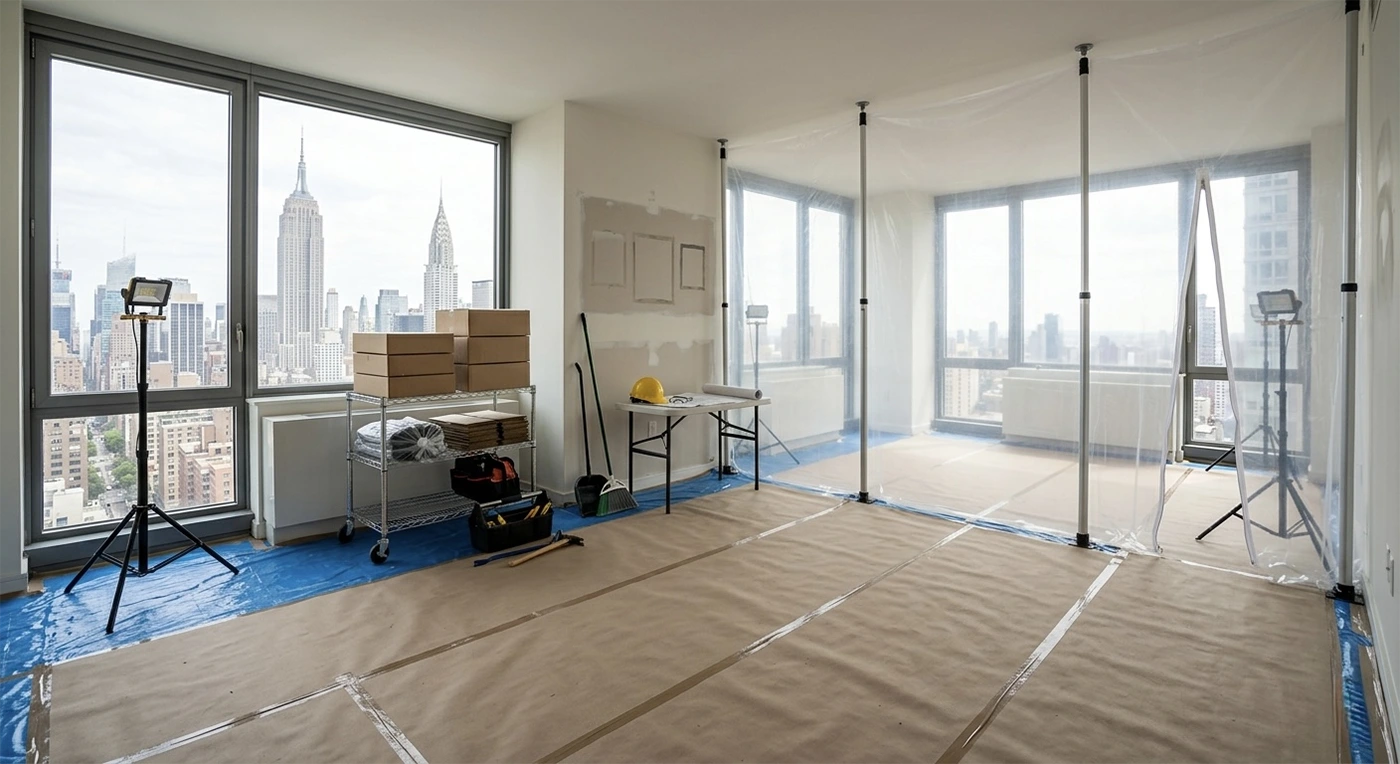
Demolition Rules in NYC Apartments: What Is Allowed
Most people planning a renovation in New York City underestimate how tightly the city controls what