

From Drab to Fab: The Power of a Bold Accent Wall
Imagine walking into a room that feels instantly energized and welcoming, where one wall commands attention and sets the entire mood. That’s the effect of a well-executed accent wall. A single design element that can breathe new life into any space without requiring a complete renovation. Whether you’re working with a bland bedroom, a flat living room, or a home office that lacks personality, choosing one wall to highlight with bold color, striking wallpaper, or distinctive texture creates visual interest that transforms the entire atmosphere. This straightforward technique lets you experiment with design and express your aesthetic while keeping the rest of the space neutral and adaptable.
The Psychology Behind the Impact
The psychology behind accent walls is rooted in how our brains process visual information. When you enter a room, your eyes naturally seek out focal points. A thoughtfully designed accent wall provides exactly that: a visual anchor that draws attention and creates depth. Deep, rich colors like navy blue or forest green make a room feel more intimate, while brighter tones like coral or warm yellow inject energy and life into the space. Textured materials such as reclaimed wood, exposed brick, or geometric wallpaper add tactile interest that makes the room feel more layered and considered. The key is choosing an accent that complements your existing décor while adding enough contrast to create visual excitement without overwhelming the room.
How to Choose the Perfect Wall
Selecting the right wall requires strategic thinking about your room’s layout and natural flow. The ideal candidate is typically the wall that first catches your eye when you enter, often the one behind a bed’s headboard, opposite the main entrance, or framing a fireplace or built-in shelving. Avoid walls with too many interruptions such as multiple windows, doors, or electrical outlets, as these fragment the visual impact you’re trying to create. Consider lighting as well. A wall that receives natural light will showcase colors and textures very differently than one in a shadowy corner. Let the architecture guide your decision and allow the accent wall to enhance the room’s best features rather than compete with them.
Materials, Finishes, and What to Consider in NYC Buildings
The most effective accent wall treatments combine visual impact with practical suitability for your specific space. In Manhattan co-ops, condos, and rental apartments, it’s worth confirming with your building management or reviewing your lease before committing to any wall treatment. Many buildings restrict permanent modifications, and even paint colors sometimes require approval in co-op units.
For permanent or semi-permanent treatments in owned apartments, options include:
- Natural wood panels in oak, walnut, or slatted formats that add warmth and architectural depth
- Fluted or 3D gypsum panels for a sculptural effect
- Venetian plaster, limewash, or microcement for soft, elegant texture
- Stone or large-format porcelain panels for a luxury statement
- Bold, saturated paint in a high-quality finish — one of the most accessible and impactful choices
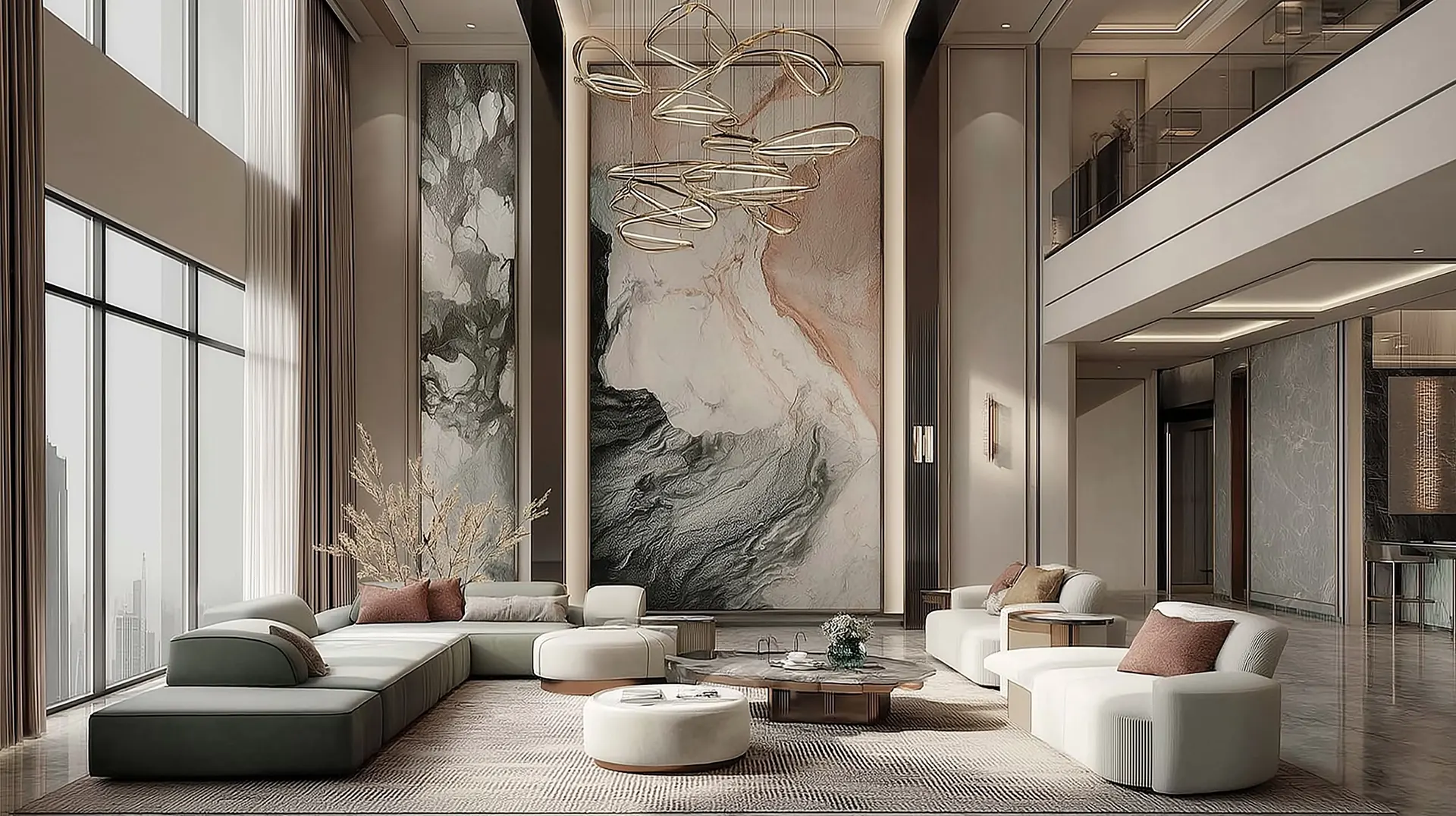
For rental situations where wall modifications are restricted, professionally installed and properly removed treatments, always coordinated with landlord approval, are the more appropriate path. Any treatment involving moisture or organic materials should be evaluated carefully in pre-war buildings, where ventilation conditions vary significantly between units.
Using an Accent Wall to Define Space
An accent wall is one of the most effective ways to visually divide a multifunctional room without adding physical partitions. This is particularly relevant in Manhattan studios and open-plan layouts where one space serves multiple purposes throughout the day.
To plan it well, choose the wall behind the primary function of the zone you want to anchor, such as behind a desk for a home office area or behind a sofa for the living zone. Use contrasting color or texture to differentiate the area clearly. Vertical elements like slats or fluted panels create a sense of separation without closing the space. Align furniture with the accent wall to reinforce the zoning, and layer lighting through sconces, LED strips, or directional fixtures to emphasize depth. Keeping the rest of the room neutral allows the accent wall to serve as the clear visual boundary, making the room feel organized and intentional while maintaining an open, cohesive layout.
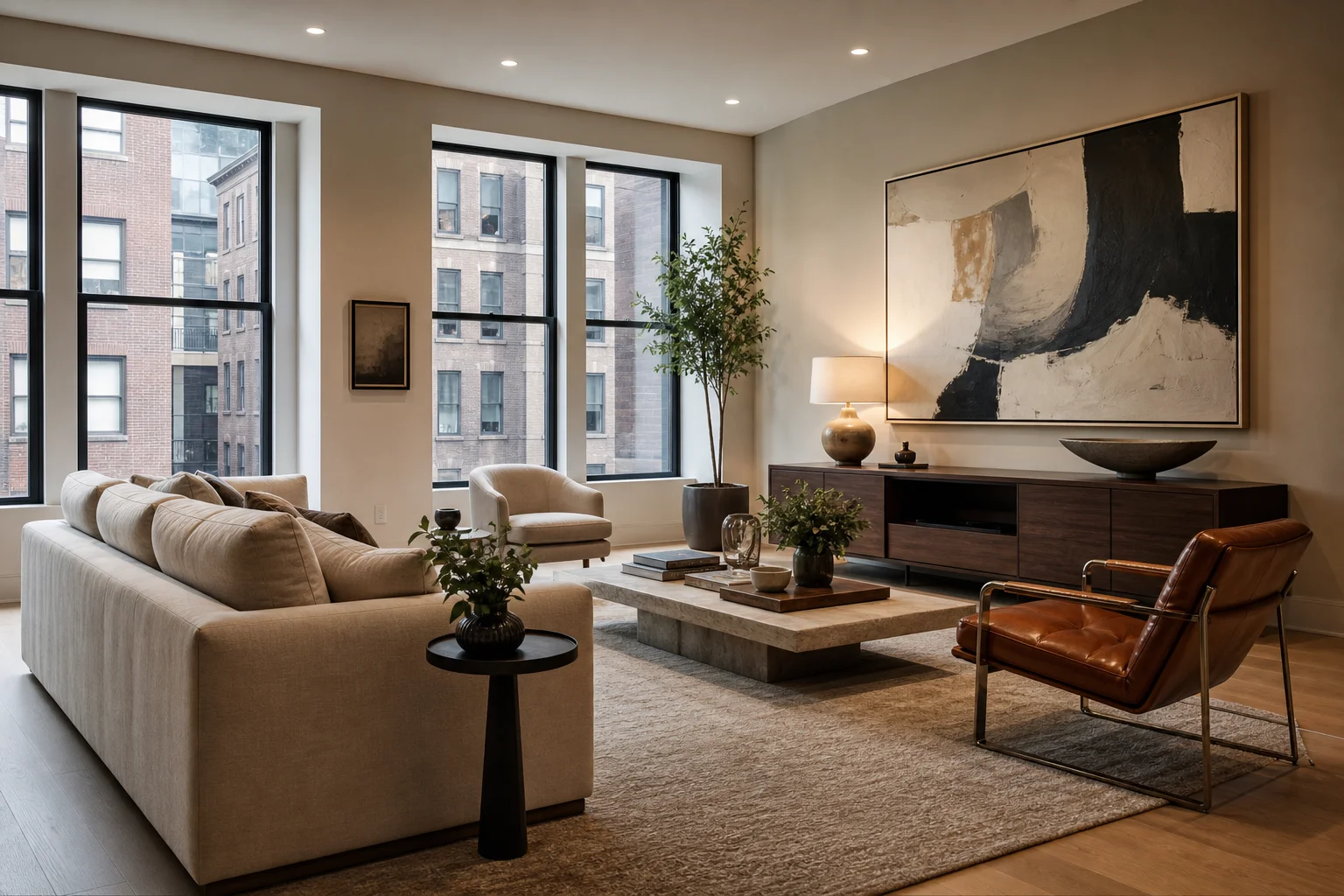
Living Room Design: Layouts, Styles and Renovation Ideas
A good living room design starts with three practical goals: comfortable seating, clear circulation,

Bringing the Outside In: How Biophilic Design Changes the Way a Home Feels
There’s a reason certain spaces feel immediately right the moment you walk into them. Natural
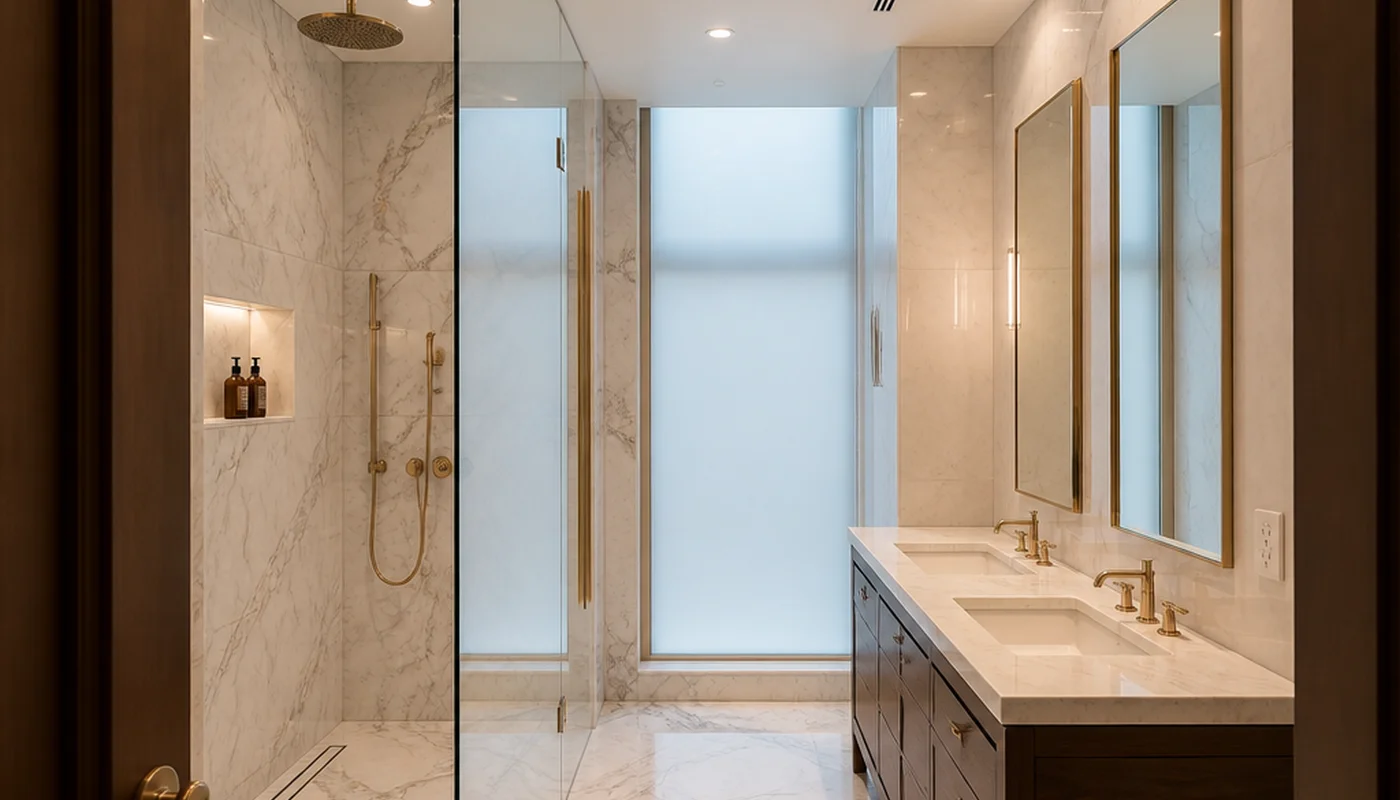
Walk-In Shower Ideas for Small Bathrooms: Layouts, Tile, and What Actually Works
The starting point in a pre-war Manhattan bathroom is usually a 4×7 or 5×8 room built arou