

Transforming Manhattan Living: Your Complete Guide to Luxury Apartment Renovation
Picture this: you walk into your outdated Manhattan apartment and envision soaring ceilings, custom millwork, and that perfect kitchen island where you’ll host intimate dinner parties. A New York apartment renovation goes beyond mere aesthetics; it’s about transforming your living space and reimagining your life in one of the world’s most vibrant cities.
The Foundation of Dreams: Smart Planning Makes Perfect
Every extraordinary transformation begins with extraordinary planning. At Hoppler Design Build, we’ve learned that the most stunning renovations start long before construction begins. Think of this phase as architectural choreography, where every move must be precisely planned and beautifully executed.
Your renovation journey should begin with a deep dive into your lifestyle. Do you work from home and need a sophisticated office nook? Are you an aspiring chef who dreams of a restaurant-quality kitchen? Perhaps you’re a collector seeking elegant display solutions for your art? These conversations shape everything that follows, ensuring your space doesn’t just look magazine-worthy. It lives beautifully, too.
The permitting process might seem like a formality, but in New York City it’s where vision meets reality. Manhattan co-ops and condos operate within a layered approval structure: board authorization, NYC Department of Buildings filings, and in some cases Landmarks Preservation Commission review for landmarked buildings. Our team navigates these requirements daily, turning regulatory complexity into a clear, manageable path toward your goals.

Investment Wisdom: Understanding the True Value of Quality
Let’s address the question every client eventually asks: what does a luxury apartment renovation actually cost? We prefer to frame this conversation around investment rather than expense. When you choose high-end renovation, you elevate your space by curating a refined lifestyle and strengthening your property’s long-term value.
Quality craftsmanship and premium materials create spaces that age with grace. That hand-selected Calacatta marble countertop or custom cabinetry crafted from reclaimed walnut delivers enduring beauty today and will continue to inspire admiration for decades to come. We work with every client to establish a budget that reflects their aspirations while remaining grounded in financial reality.
Smart budgeting also means preparing for what you can’t see. Manhattan’s pre-war buildings are architecturally extraordinary, and they frequently hold surprises behind their walls. Outdated wiring, aging plumbing, and unforeseen structural conditions are common discoveries. Our contingency planning ensures these moments become opportunities for thoughtful enhancement rather than budget disruptions.
The Magic Unfolds: Watching Vision Become Reality
There’s a particular moment in every renovation when the space begins to reveal its new identity. Natural light shifts, proportions open up, and suddenly the potential that was always there becomes visible. In Manhattan co-ops and condos, reaching that moment requires careful orchestration. Layout changes and wall reconfigurations involve board-approved plans, licensed structural assessments, and DOB filings before a single modification begins. The process is deliberate by design, and that rigor is precisely what protects your investment.
This transformation phase is where our expertise truly shines. We coordinate a team of licensed and insured craftspeople, a requirement in virtually every Manhattan co-op and condo building, from master plasterers to custom furniture makers. Each day brings visible progress, and the excitement builds as your new home takes shape.
The final result creates a beautiful space and reveals how thoughtful design elevates daily life. Morning coffee tastes better in a custom breakfast nook. Work feels more focused in a perfectly lit home office. Evenings become more restorative in a spa-like master bathroom.

Your Manhattan Sanctuary Awaits
A successful apartment renovation transcends home improvement. It creates a personal sanctuary that reflects your story while embracing the energy of Manhattan living. Whether your style leans toward sleek modernism or timeless elegance, your transformed space should feel authentically, unmistakably yours.
Ready to begin? At Hoppler Design Build, we guide you from the first spark of inspiration through every approval, every decision, and every detail, until the day you step into the home you’ve always imagined. Because in a city that never sleeps, home should be the one place that feels exactly right.
What Factors Have the Biggest Impact on the Total Cost of a Luxury Apartment Renovation in NYC?
Several key elements shape the overall budget. The scope of work matters most, ranging from cosmetic updates to full layout reconfigurations. Structural, electrical, and plumbing modifications add complexity and cost, as do material selections like natural stone, custom millwork, and designer fixtures. Custom cabinetry and built-ins, building logistics including elevator access and delivery windows, hidden conditions behind walls, and timeline requirements all factor into the final number. Accelerated schedules and specialized trades typically carry a premium.
How Do Building Approvals, Permits, and Board Requirements Affect the Budget and Timeline?
Permits and board approvals have a direct impact on both cost and schedule. DOB filings and co-op or condo board submissions require detailed architectural plans, documentation, and inspections. Additional costs may include expediting fees, updated insurance certificates, and plan revision charges. Approval timelines can extend a project if submissions require resubmission or supplemental information. Proceeding without proper permits risks fines, Stop Work Orders, and expensive corrections after the fact. Budget and schedule should always account for this phase from the outset.
How Does the Price Differ Between a Cosmetic Refresh and a Full Gut Renovation with High-End Finishes?
The gap can be significant. A cosmetic refresh, covering paint, fixtures, flooring, and finishes without touching layout or infrastructure, is the most budget-efficient path to a refreshed space. A full gut renovation with high-end finishes involves structural work, custom millwork, premium material procurement, and full coordination with building management and city agencies. The investment reflects not just the materials and labor involved, but the level of design thinking, project management, and regulatory navigation required to execute it properly in a Manhattan building.

Renovation Math: How to Calculate True Cost per Square Foot in NYC
“What’s your price per square foot?” It’s almost always the first question I
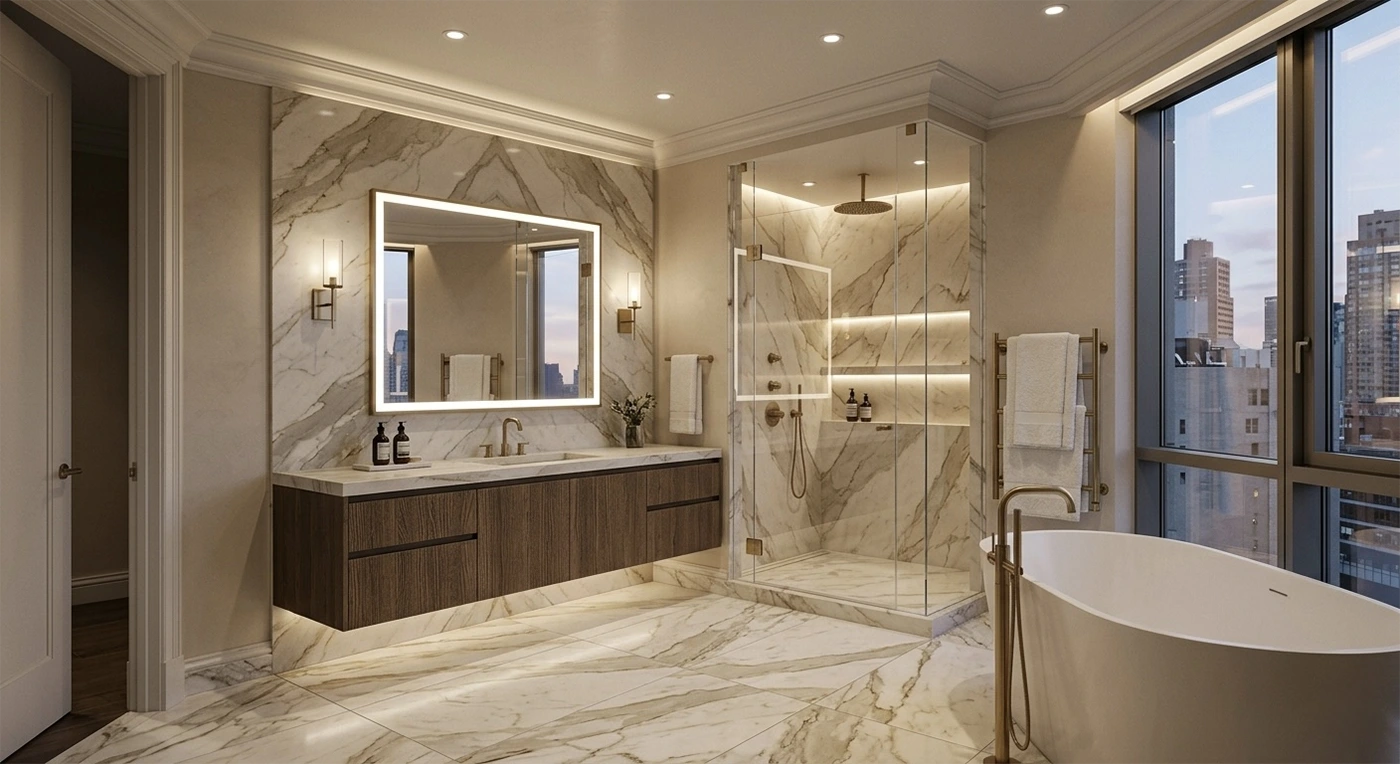
$50K vs $150K Bathroom in NYC: What’s the Real Difference?
The bathroom is the room people most consistently underestimate when budgeting a renovation in New Y
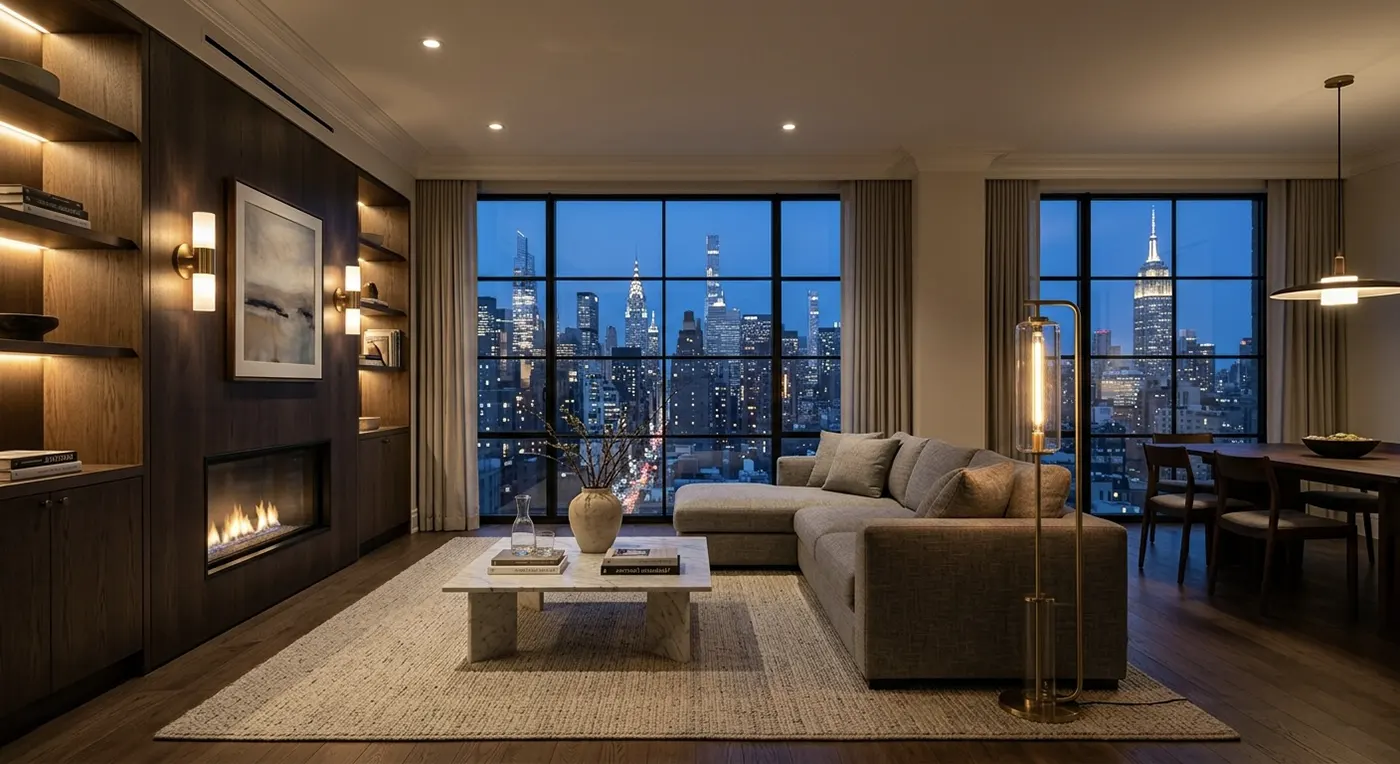
Electrical Upgrades in NYC Apartments: When You Need a Full Rewire
Manhattan’s apartment buildings range from prewar classics built in the 1910s to postwar tower