
Small Spaces, Big Style: Clever Design Hacks for Compact Homes
Living in a compact Manhattan home doesn’t mean sacrificing style or functionality. It simply means getting more creative with every square foot you have. In New York City, where studios typically run 300 to 400 square feet and one-bedrooms land somewhere between 500 and 700, working within tight dimensions is the norm. The key to successful small-space design lies in understanding that limitations often spark the most innovative solutions, pushing us to think beyond conventional furniture arrangements and traditional room purposes.
Smart homeowners are discovering that strategic design choices can make a 400-square-foot Upper East Side studio feel more spacious and livable than a poorly planned larger home. From multi-functional furniture that serves double duty to optical illusions that trick the eye into seeing expanded space, the art of compact living has evolved into a sophisticated design discipline. Any experienced residential design and build firm will tell you that small spaces require big thinking, where every design decision must justify its existence by serving multiple purposes or contributing significantly to the overall aesthetic and function.
Go Vertical: Your Secret Weapon for Small Spaces
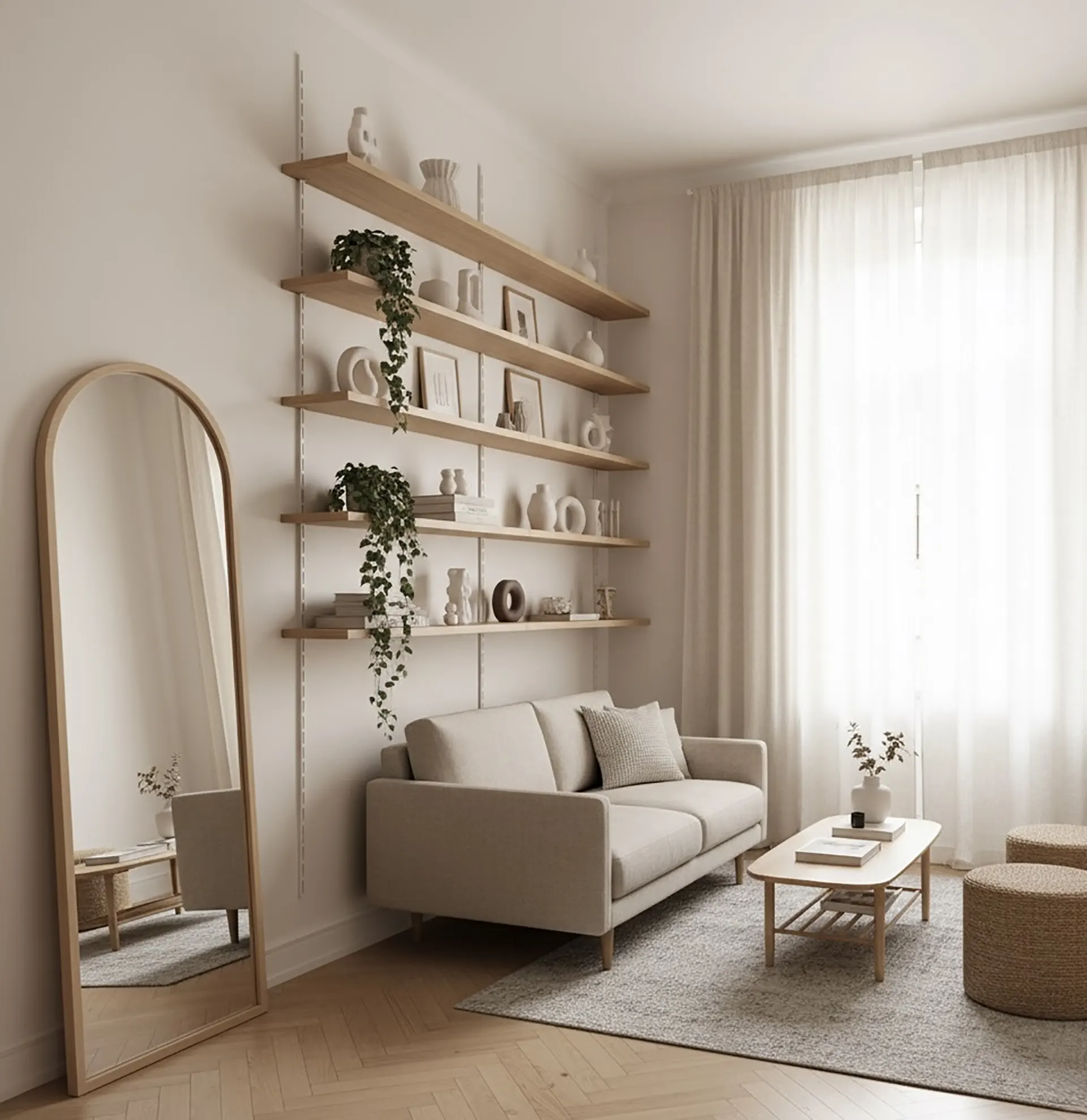
Vertical space becomes your best friend when floor area is at a premium, offering endless opportunities for storage and visual expansion that many homeowners overlook. Floor-to-ceiling built-ins maximize every inch while drawing the eye upward, creating the illusion of height and grandeur that makes rooms feel significantly larger. In pre-war co-ops and condos across the Upper West Side and Tribeca, built-ins that touch the ceiling make especially dramatic use of those characteristically tall ceilings. Note that structural modifications of this kind may require board approval in co-op buildings, so coordinating with your design-build team early in the process is essential.
Floating shelves replace bulky bookcases, providing storage without the visual weight of traditional furniture pieces. Tall, narrow pieces like slim console tables and ladder-style desks fit into tight footprints without overwhelming the room. Strategic use of mirrors amplifies both natural and artificial light while reflecting views and creating depth that doubles the perceived size of any room. Wall-mounted fixtures, from sconces to fold-down desks, free up precious floor space while maintaining full functionality, proving that thinking vertically can transform even the most challenging compact layouts.
The Small Kitchen Remodel: Functional and Beautiful
The kitchen often presents the biggest challenge in small New York City homes, but thoughtful planning can create surprisingly functional and beautiful cooking spaces within minimal square footage. A well-executed small kitchen remodel focuses on maximizing counter space through clever solutions like pull-out cutting boards, fold-down breakfast bars, and compact appliances that don’t compromise on performance.
One detail that matters more in Manhattan than in most markets: any kitchen reconfiguration involving ventilation, plumbing relocation, or electrical work is subject to New York City Department of Buildings regulations. Working with a firm familiar with NYC DOB requirements keeps the project on schedule and avoids costly surprises mid-construction.
Open shelving in strategic locations replaces upper cabinets to create an airy feel while displaying beautiful dishes and glassware that become part of the décor. Under-cabinet lighting brightens work surfaces and adds ambiance, while light-colored surfaces reflect light and make the space feel more open. One bold element, perhaps a colorful backsplash or a statement pendant light, adds personality without overwhelming the compact space, proving that small kitchens can be both highly functional and visually stunning.
Double Duty Design: The Power of Multi-Functional Furniture
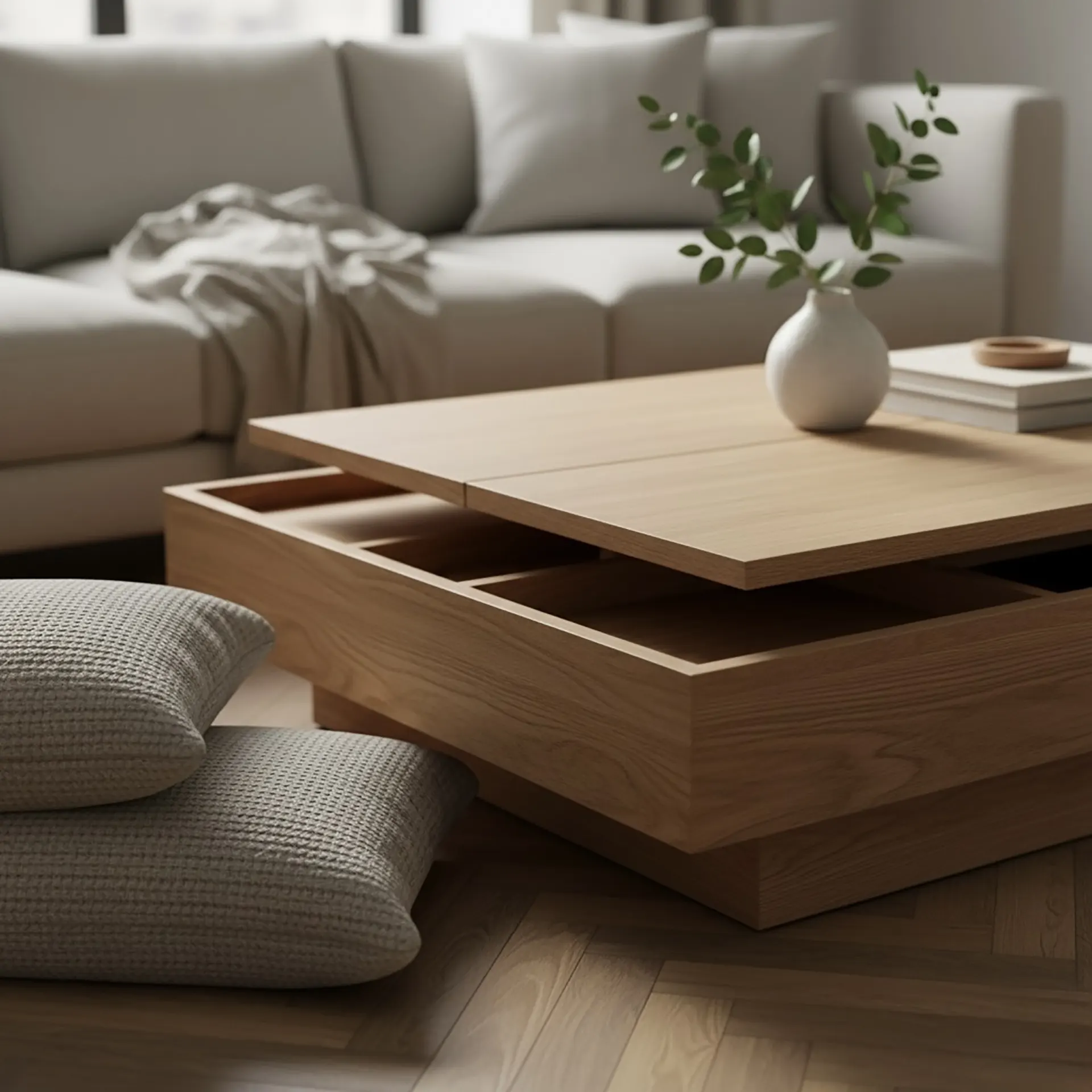
Multi-functional design solutions represent the ultimate strategy for compact living, where every piece of furniture and every room serves multiple purposes throughout the day. Ottoman storage benches provide seating, surface space, and hidden storage for blankets or books, while dining tables with built-in drawers eliminate the need for separate storage furniture. Bedroom spaces transform into home offices during the day with wall-mounted fold-down desks or sleek laptop stations that disappear when not in use.
A successful condo renovation in a Tribeca loft or a Chelsea one-bedroom often incorporates room dividers that serve dual purposes. A bookshelf unit might separate living and sleeping areas while providing storage on both sides, or sliding panels might create privacy when needed and open completely for entertaining. The most successful small-space designs embrace flexibility, creating homes that adapt to different needs throughout the day while maintaining a cohesive, uncluttered aesthetic. In Manhattan, that kind of thoughtful design is a practical necessity.
How Much Does a Small Kitchen Remodel Cost on Average?
The honest answer is that we can’t provide an accurate price upfront without first understanding the scope of your specific project. Every kitchen is different, and even “small remodels” vary widely depending on layout changes, material choices, and the overall design direction.
Before we can give a precise estimate, we take a few essential steps:
- Schedule a site visit to evaluate existing conditions
- Discuss your goals and ideas around what you want to change, keep, or improve
- Develop an initial design concept to understand the level of work involved
- Confirm the full scope of construction, including plumbing, electrical, cabinetry, and finishes
Once we complete this phase, we provide an accurate, transparent price tailored specifically to your kitchen and your vision. This approach ensures you receive a realistic estimate rather than a guess, and helps prevent unexpected costs later in the process.
How to Remodel a Small Kitchen?
Remodeling a small kitchen requires a strategic approach to maximize every inch of space. There is no single formula. Instead, there is a range of design solutions depending on your specific layout, building type, and any co-op or condo board requirements that apply. Common strategies include utilizing vertical storage, optimizing lighting to create depth, and selecting multifunctional appliances.
Because every small Manhattan kitchen presents its own unique challenges, the most effective design is one custom-tailored to your lifestyle and space. We recommend scheduling a complimentary consultation so we can assess your kitchen and guide you through the best options for your home.

The Art of the Statement Piece: How to Elevate Your Home’s Decor
A truly exceptional statement piece possesses an almost magnetic quality that draws people into a ro
Reviving History: Preserving Character in Historic Home Renovations
There is a quality to pre-war Manhattan apartments that no new construction can manufacture. The par
What Clients Regret After Renovating in NYC (Real Cases)
The beginning of a renovation feels like possibility. Floor plans get sketched, inspiration images g