

Budget-Friendly Bathroom Upgrades That Actually Make a Difference
A bathroom renovation doesn’t have to mean weeks of construction and an invoice that makes you question your decisions. Some of the most satisfying changes come from knowing which details actually carry a room and which ones drag it down.
In Manhattan apartments the constraints are real. Square footage is limited, building rules govern what can be touched, and the gap between a bathroom that feels considered and one that feels like a rental unit is often smaller than people expect. Which means the choices matter more, not less.
1. Hardware and Fixture Updates
Hardware is the fastest way to change a bathroom without touching anything structural. Builder-grade chrome faucets read as generic the moment you’ve seen enough bathrooms. Replacing them with matte black, brushed nickel, or unlacquered brass shifts the entire feel of the space for a fraction of what most people assume.
The same logic applies to cabinet pulls, towel bars, and toilet paper holders. When these share a finish, the bathroom reads as intentional. When they don’t, even a well-appointed space feels slightly off in ways that are hard to name but easy to feel.
A showerhead upgrade changes the daily experience of the shower without any structural work. One practical note for co-op and condo residents: if your building runs on a shared water supply, confirm with building management before swapping any fixture. Most buildings have no objection, but it’s a five-minute conversation worth having early.
2. Lighting and Mirrors
Bathroom lighting is one of the most underinvested areas in renovation and one of the highest-return opportunities for a targeted change. Vanity lighting that illuminates the face rather than the top of the head changes how the room actually functions. Warm-toned LED bulbs shift the atmosphere of a space compared to the flat cool light that comes standard in most fixtures.
A mirror with integrated backlighting creates depth and looks more expensive than it typically is. Even replacing a basic frameless mirror with one that has some visual weight — a substantial frame, an interesting shape, a backlit edge — gives the eye somewhere to land and makes the wall feel resolved.
Battery-operated LED strips behind a mirror or beneath a floating vanity add ambient warmth without any electrical work. In buildings where rewiring requires permits and board approval, this is one of the cleanest options available for bathroom design and renovation.
3. Paint and Creative Treatments
A color decision that actually commits does more for a bathroom than the same room in contractor beige. Small spaces often reward stronger choices because the commitment is contained. A deep warm white, a soft clay, a muted sage — any of these lands differently than the default.
One thing worth saying directly for Manhattan renters: peel-and-stick tiles and removable wallpaper are often pitched as easy, consequence-free solutions. In practice, most leases and co-op building rules restrict wall and floor modifications even when materials are marketed as removable. Review your lease or alteration agreement before applying anything. The cost of restoring original finishes usually exceeds whatever the upgrade was worth.
For owned apartments where surface work is permitted, a focused tile detail — a shower niche, an accent wall behind the vanity — delivers a strong visual return for a relatively modest scope of work. These renter-friendly or owner-appropriate solutions are ideal for NYC apartment renovation projects when chosen carefully.
4. Accessories and Finishing Touches
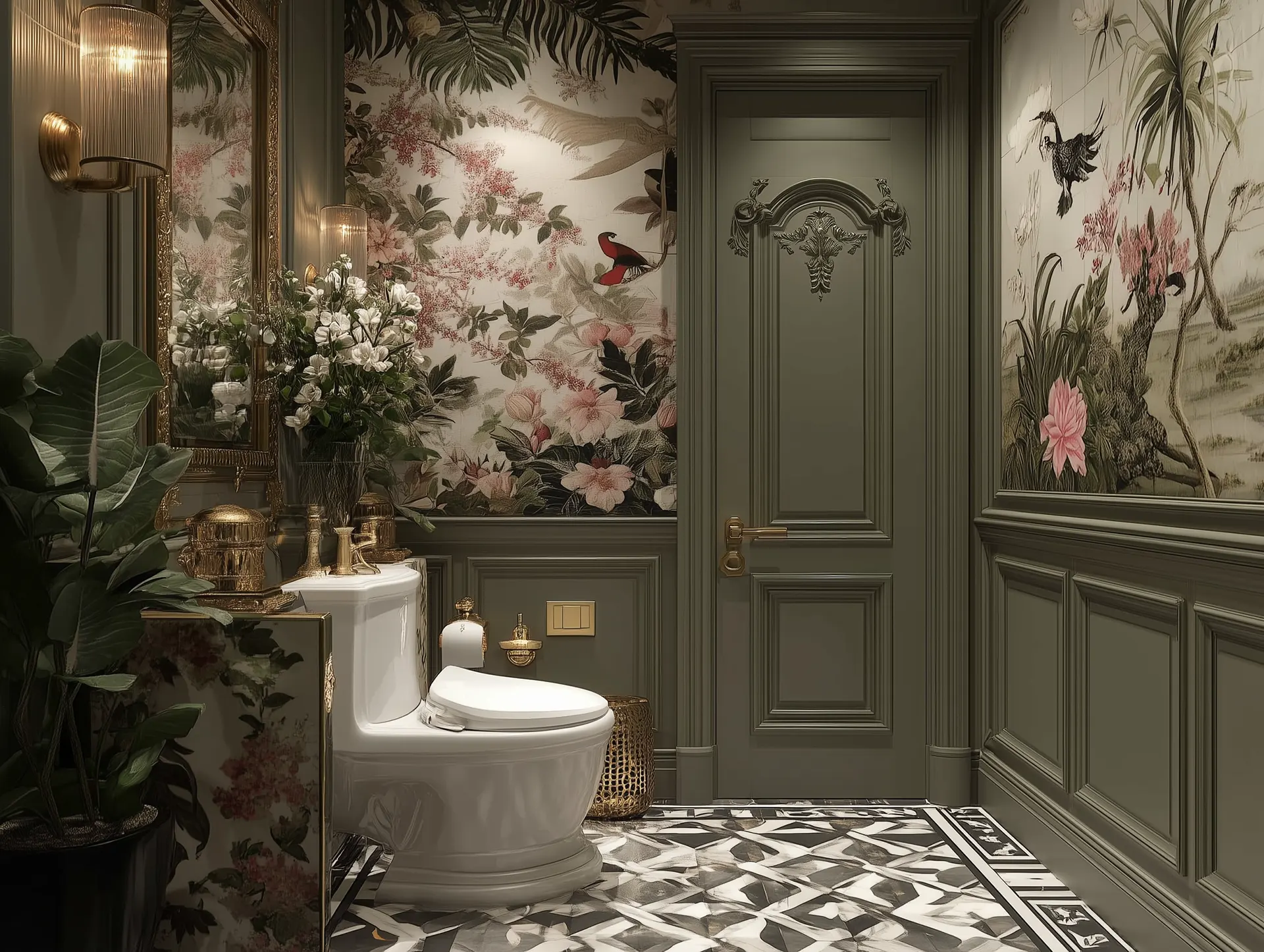
Coordinated towels, a quality soap dispenser, a small tray on the vanity. These details don’t transform a bathroom, but they complete one. When the hardware is cohesive and the lighting is considered, accessories signal that the space is finished rather than still in progress.
Plants that genuinely tolerate humidity — pothos, snake plants, certain ferns — bring organic warmth that objects can’t replicate. They also soften a room that’s otherwise all hard surfaces.
The consistent thread in budget bathroom upgrades that actually work: consistency in finish, quality in what you touch every day, and restraint in everything else. This thoughtful approach often delivers more lasting satisfaction than high-cost, trend-driven renovations.
High-Impact Low-Cost Upgrades:
- Swap out dated hardware (faucets, pulls, towel bars) in a shared finish.
- Upgrade vanity lighting or swap to a backlit mirror for immediate impact.
- Focus budget on statement mirrors or updated lighting fixtures.
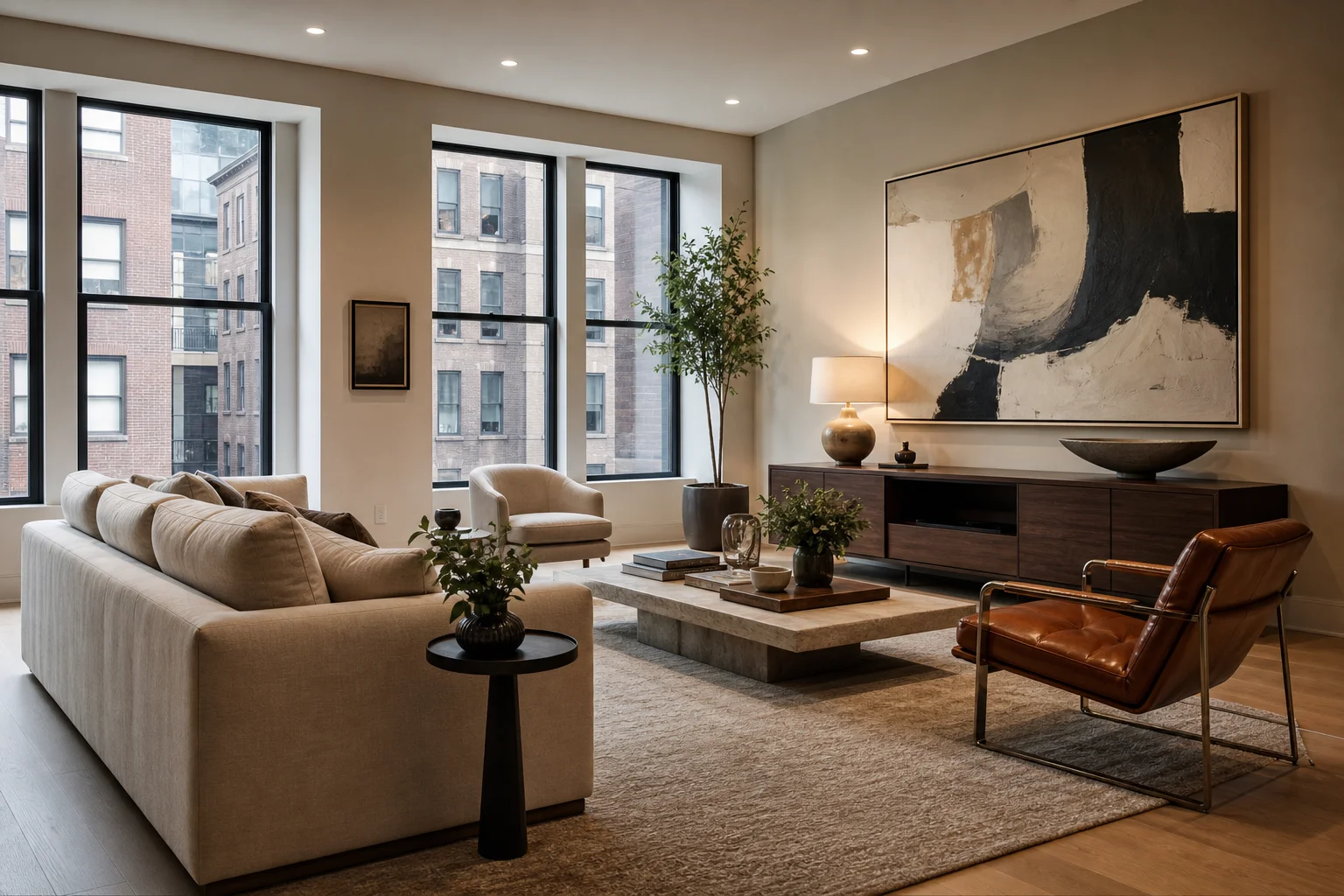
Living Room Design: Layouts, Styles and Renovation Ideas
A good living room design starts with three practical goals: comfortable seating, clear circulation,
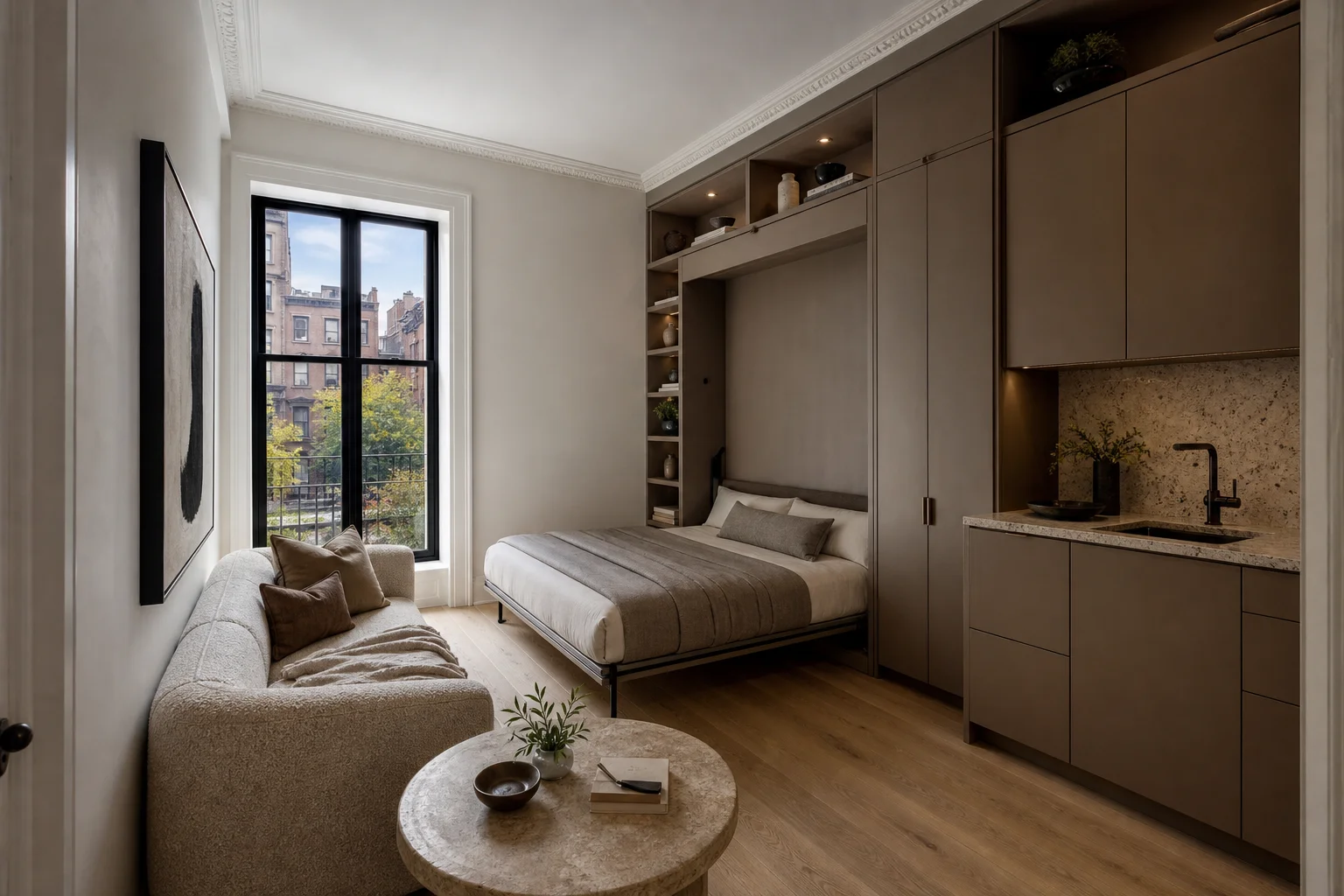
Studio Apartment Decorating for Tight Square Footage
A studio comes down to three decisions: how you zone the single room, how you scale the furniture, a

Renovation Contracts in NYC: How to Protect Your Investment Before Work Begins
There’s a specific moment before the hammers swing, before the dust rises, when the renovation