
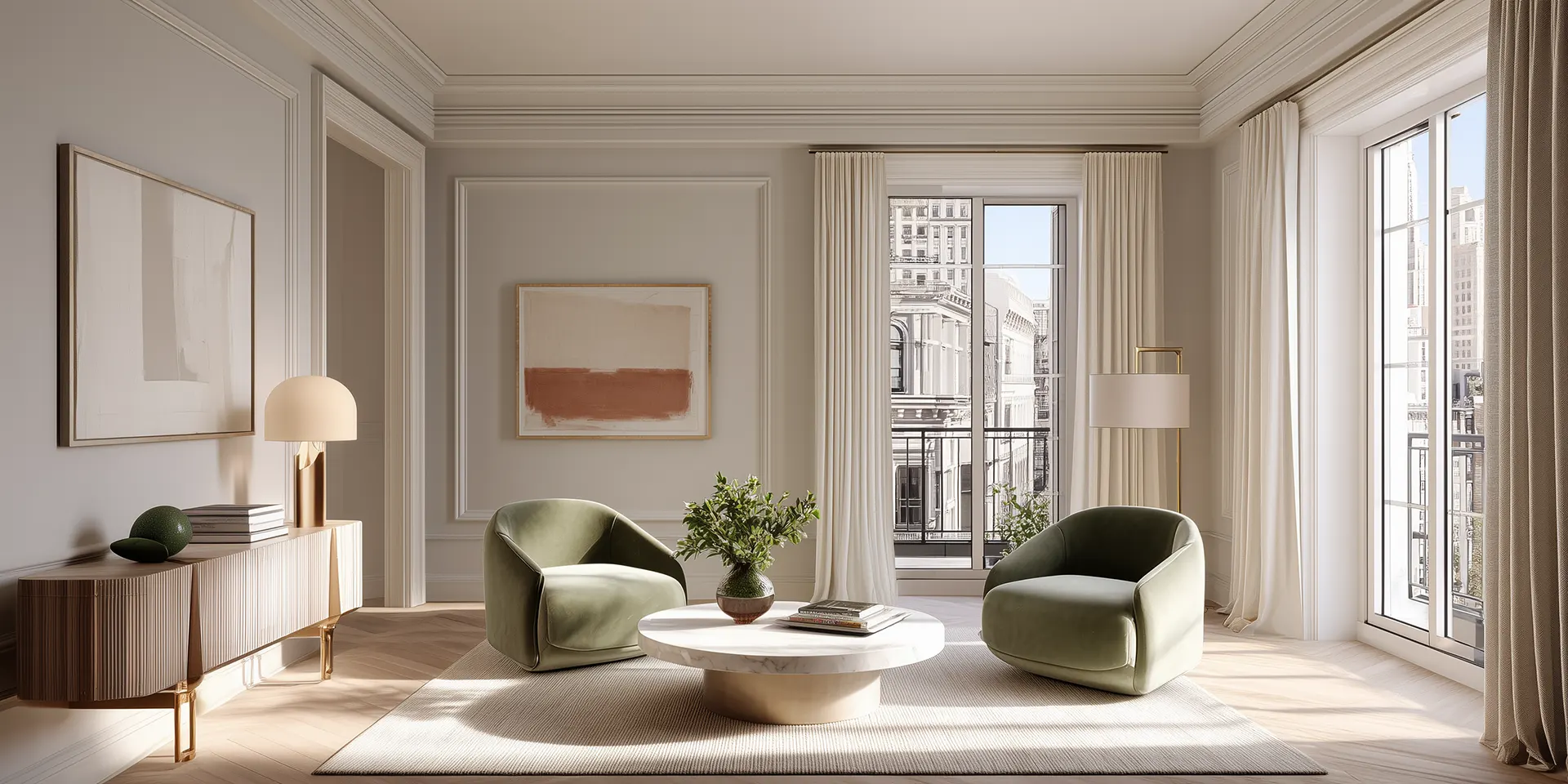
The Hidden Cost of Beautiful Spaces: What Instagram Doesn’t Show About Home Design
Have you ever scrolled through Instagram, paused at a stunning apartment photo, and thought — “That’s exactly what I want”? Soft light, linen curtains, sculptural lamps, a perfect sense of calm.
But behind every effortless image lies what most people never see: months of decisions, engineering, and invisible coordination that make “effortless” actually possible. Because beauty, especially in architecture, is never free — not in money, not in time, and not in patience.
1. The Myth of Effortless Design
Social media sells perfection in squares: marble countertops, endless space, sunlight that always hits at the right angle. But real homes — especially in cities like New York — are puzzles made of constraints.
Every square foot must negotiate between design dreams and building reality:
- Plumbing lines and water supply systems
- Structural walls and load-bearing requirements
- Neighbor noise isolation and acoustic planning
- Daylight optimization and window placement
- Building permits and regulatory compliance
The Instagram caption never says, “this took 9 months of paperwork and 14 contractor meetings.”
“A beautiful room is never spontaneous. It’s the result of precision — decisions made over and over until they disappear.” (Architectural Digest)
2. Why the Cheapest Beauty Is Always the Most Expensive
When you buy a new apartment or decide to renovate, the temptation is to focus on visible finishes — the fixtures, the stone, the color palette. But the invisible layers — plumbing, electrical systems, insulation, wall preparation — determine 80% of your home’s quality and durability.
A cheap renovation looks good for a year; a properly built one looks better every year.
| Renovation Approach | Initial Cost | Long-term Value | Lifespan |
|---|---|---|---|
| Surface-level (cheap) | Low | Decreasing | 1-3 years |
| Professional (quality) | Higher | Increasing | 10+ years |
Hoppler: “Our best compliment is when people forget we were here. That means everything works, everything fits, everything lasts.”
3. The Timeline Nobody Posts
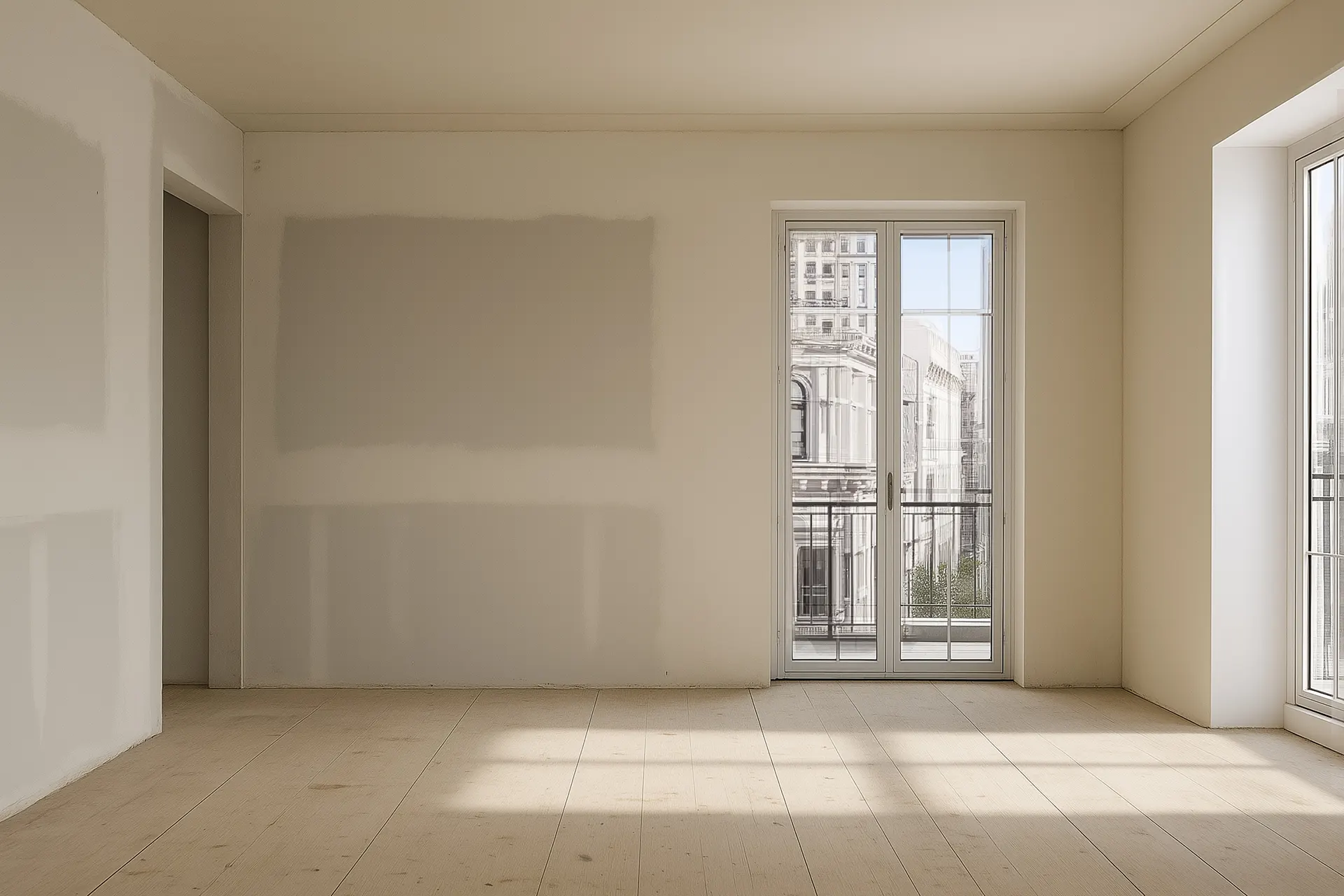
Design is emotional, but building is logistical. Before you move into your dream apartment, there’s a chain of events that must align:
- Board approval and building permissions
- DOB permits and regulatory documentation
- Demolition and site preparation
- Electrical and plumbing rough-in work
- Multiple inspections and code compliance checks
- Final sign-offs and certificate of occupancy
Each step adds time — and skipping one adds risk. Buyers often underestimate timelines by 40–50%. A full Manhattan renovation rarely takes less than six months from permit to handover.
4. The Emotional Cost of Perfection
Renovation isn’t only financial — it’s emotional. You’ll make hundreds of micro-decisions:
- Outlet placement and electrical panel configuration
- Tile alignment and grout color selection
- Lighting dim levels and switch locations
- Hardware finishes and door swing directions
- Paint sheens and trim profiles
Those who survive it with their sanity intact are those who delegate.
Working with a unified team means not every question lands on your plate — it lands where it should: with people who understand structure, code, and aesthetics as one conversation.
5. Buying With Eyes Open
If you’re planning to buy a property “with renovation potential,” remember: beauty on paper can hide complexity in structure. Old wiring, uneven floors, limited ceiling height, poor light orientation — all can make a great deal expensive later.
Before signing, have the space evaluated by a professional design-build team. They’ll spot issues your broker won’t and protect your dream before it becomes a debt.
6. So What’s the Real Cost of Beauty?
The cost of a beautiful space isn’t only in dollars. It’s in time, clarity, and trust. You pay for precision, coordination, and patience — invisible systems that make daily life smoother: doors that close quietly, lighting that feels like sunset, tiles that line up perfectly.
Design is engineering with emotion. When form meets function and structure serves serenity, you get the only kind of beauty worth paying for: the kind that lasts.
Question: If your walls could tell their own story — would they speak about quick choices, or about craftsmanship built to last?

Renovation Math: How to Calculate True Cost per Square Foot in NYC
What’s your price per square foot? It is almost always the first question I get. And I get it—ho

Budget Breakdown: Where Every Dollar Goes in a NYC Renovation
You get the quote. You look at the number at the bottom of the page. You blink. How, you ask yoursel

Bathroom Renovation in Manhattan and New York City: What Actually Matters
Bathroom renovation in Manhattan is rarely simple. It is not just a matter of choosing tile and repl