

Sustainable Sourcing: Finding Eco-Friendly Materials That Don’t Compromise on Style
The green building movement has evolved beyond basic recycling and energy efficiency to embrace sophisticated material selection that proves environmental responsibility and cutting-edge style can coexist. Today’s eco-friendly materials rival and often surpass conventional options in aesthetic appeal and performance, dispelling the myth that sustainability means sacrificing quality or luxury.
The most successful sustainable renovations show that going green isn’t about limitation; it’s about smarter choices that improve indoor air quality, reduce environmental impact, and offer superior durability. Homeowners are discovering that reclaimed materials add character and history, while innovative recycled options bring unique textures that transform interiors. For any project with a licensed general contractor in NYC, sustainable sourcing has become standard practice, reflecting growing demand for environmentally conscious design that does not compromise on style.
Reclaimed Wood: Character with a Story
Reclaimed wood represents the crown jewel of sustainable building materials, offering character, durability, and environmental benefits. Each piece carries a story – barn wood weathered by decades, factory floors polished by industry, or shipping pallets that once circled the globe.
Natural patina, nail holes, and weathering create instant warmth and authenticity, while environmental advantages include waste reduction and reduced demand for new timber. High-quality reclaimed wood should come from reputable suppliers who ensure proper treatment and provide documentation to avoid contamination. Architectural salvage remains one of the most reliable sources for responsibly reclaimed wood.
Recycled Glass & Innovative Composites
Recycled glass and innovative composites show how waste materials can be reborn as stunning design elements. Recycled glass countertops combine crushed glass with binders, creating surfaces that sparkle with light while offering durability comparable to stone. Options range from subtle earth tones to bold jewel hues.
Terrazzo flooring, experiencing a design revival, incorporates recycled glass, marble chips, and other aggregates into customizable, durable surfaces. These solutions exceed many conventional materials in both sustainability and design flexibility, while supporting the circular economy.
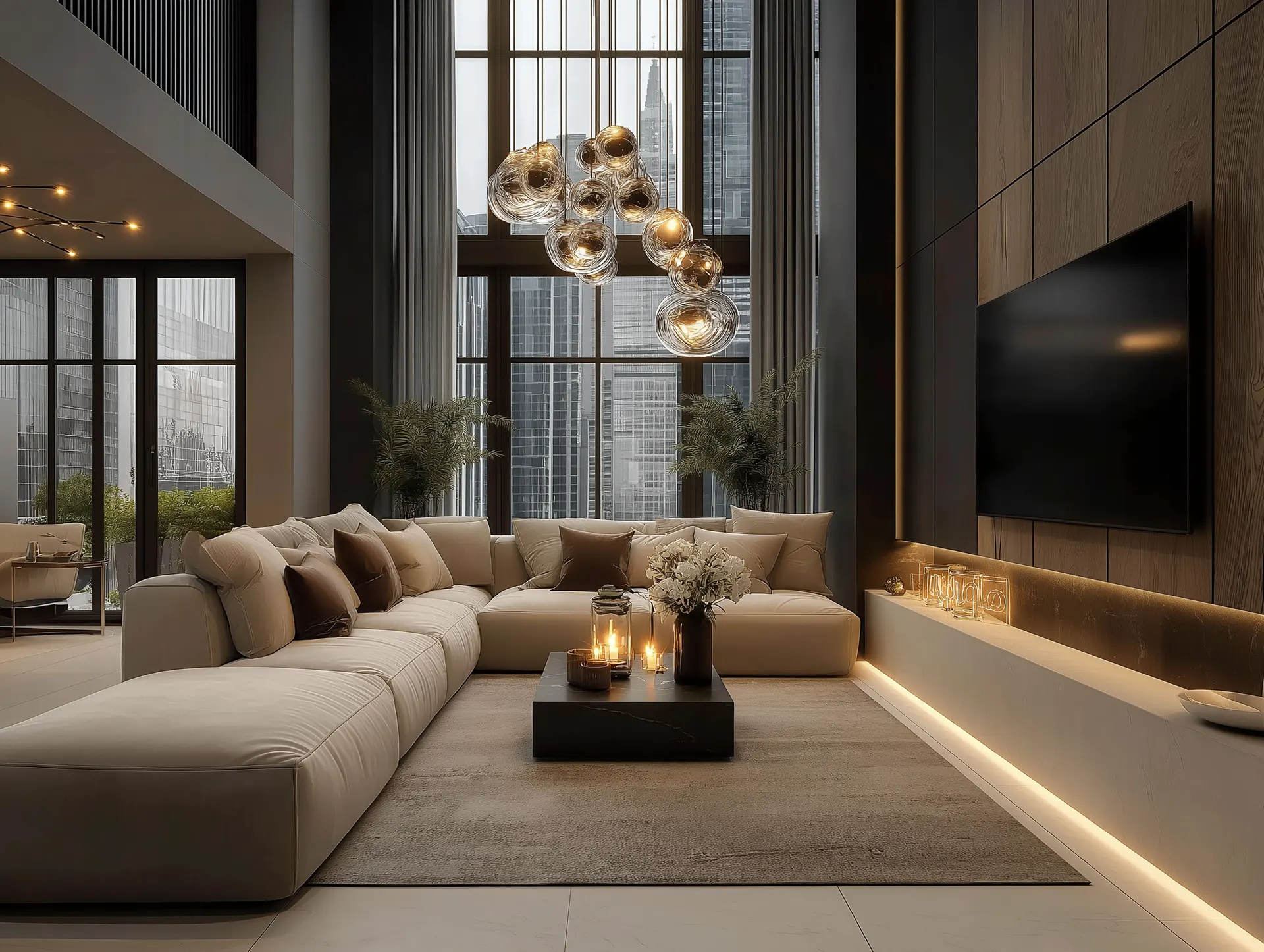
Bamboo & Rapidly Renewable Materials
Bamboo and other rapidly renewable resources provide sustainable alternatives that can be harvested repeatedly without depleting natural ecosystems. Modern bamboo flooring exceeds many hardwoods in hardness ratings while also offering antimicrobial and moisture-resistant properties, making it ideal for kitchens and bathrooms.
Cork flooring delivers similar sustainability with added comfort and natural insulation, perfect for bedrooms and home offices. For those seeking apartment renovation ideas, bamboo and cork combine eco-consciousness with performance advantages.
Certification programs such as FSC (Forest Stewardship Council), GREENGUARD for low-emission products, and Cradle to Cradle help homeowners identify truly sustainable materials. Successful renovations often layer multiple eco-friendly elements—reclaimed wood beams, recycled glass backsplashes, bamboo floors—proving that environmental responsibility and style go hand in hand.

Luxury for Less: Where to Score High-End Materials at Designer Discounts
After fifteen years as an interior designer in NYC, I’ve learned that the difference between a goo

Future-Proofing Your Renovation: Materials That Will Still Look Great in 20 Years
The most successful renovations transcend temporary trends to create spaces that feel fresh and rele

Microcement Bathroom: The Seamless Alternative to Tile
If you have ever spent an afternoon scrubbing grout lines in your bathroom, you probably had the sam