
Timeline of a Manhattan Renovation: From Offer Letter to Move-In
You just signed the offer letter. Champagne is popped. You are already mentally placing the sofa in the living room. You ask your broker, So, we can probably start renovations in a month, right? They smile nervously. Welcome to the Manhattan Time Warp.
In most parts of the country, you buy a house, hire a contractor, and start swinging hammers. In New York City, the Construction Phase is often the shortest part of the journey. The real marathon happens before a single wall comes down. At Hoppler Design and Build, we believe in radical transparency. Here is the actual timeline of a NYC renovation—unvarnished and real.
Phase 1: The Blind Phase (Pre-Closing)
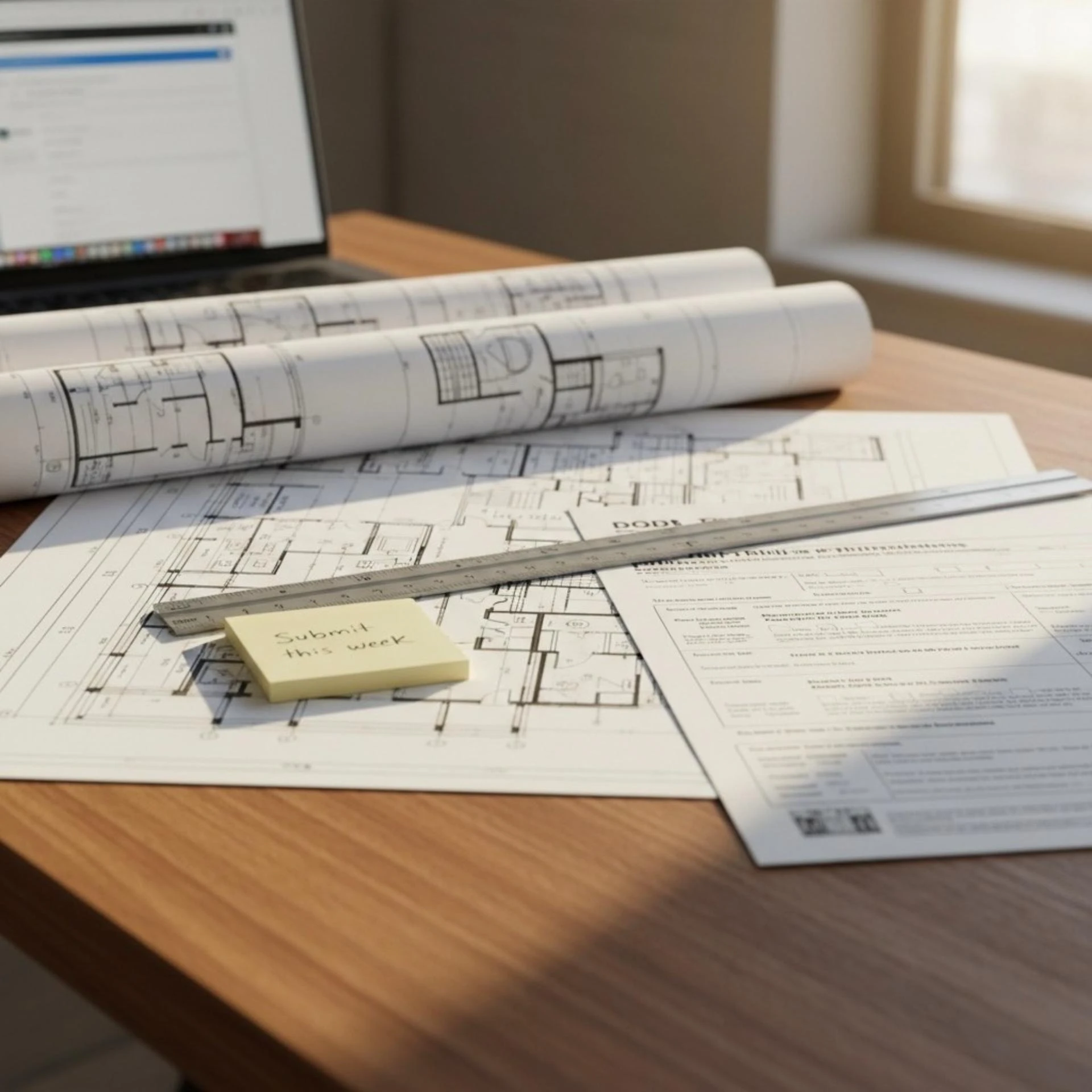
While the lawyers are arguing over the contract of sale, you are in limbo. You do not own the apartment yet, so you cannot demolish anything. Но вы можете проектировать. We use this dead time to start the architectural survey and begin the initial layout design. The goal is to have a full set of preliminary drawings ready the day you close. Waiting until you have the keys to hire an architect means you just lost three months of progress.
| Project Phase | Average Duration | Primary Objectives |
|---|---|---|
| Pre-Closing Design | 2–3 Months | Architectural survey, layout design, and initial planning |
| Board Review | 1–3 Months | Alteration Agreement approval and neighbor notifications |
| DOB Permitting | 2–4 Months | Department of Buildings filing and asbestos investigations |
| Construction | 4–6 Months | Demolition, rough-ins, inspections, and final finishes |
| Closeout | 1–2 Months | Final inspections, DOB sign-offs, and permit closure |
Phase 2: The Board Package (The Gatekeepers)
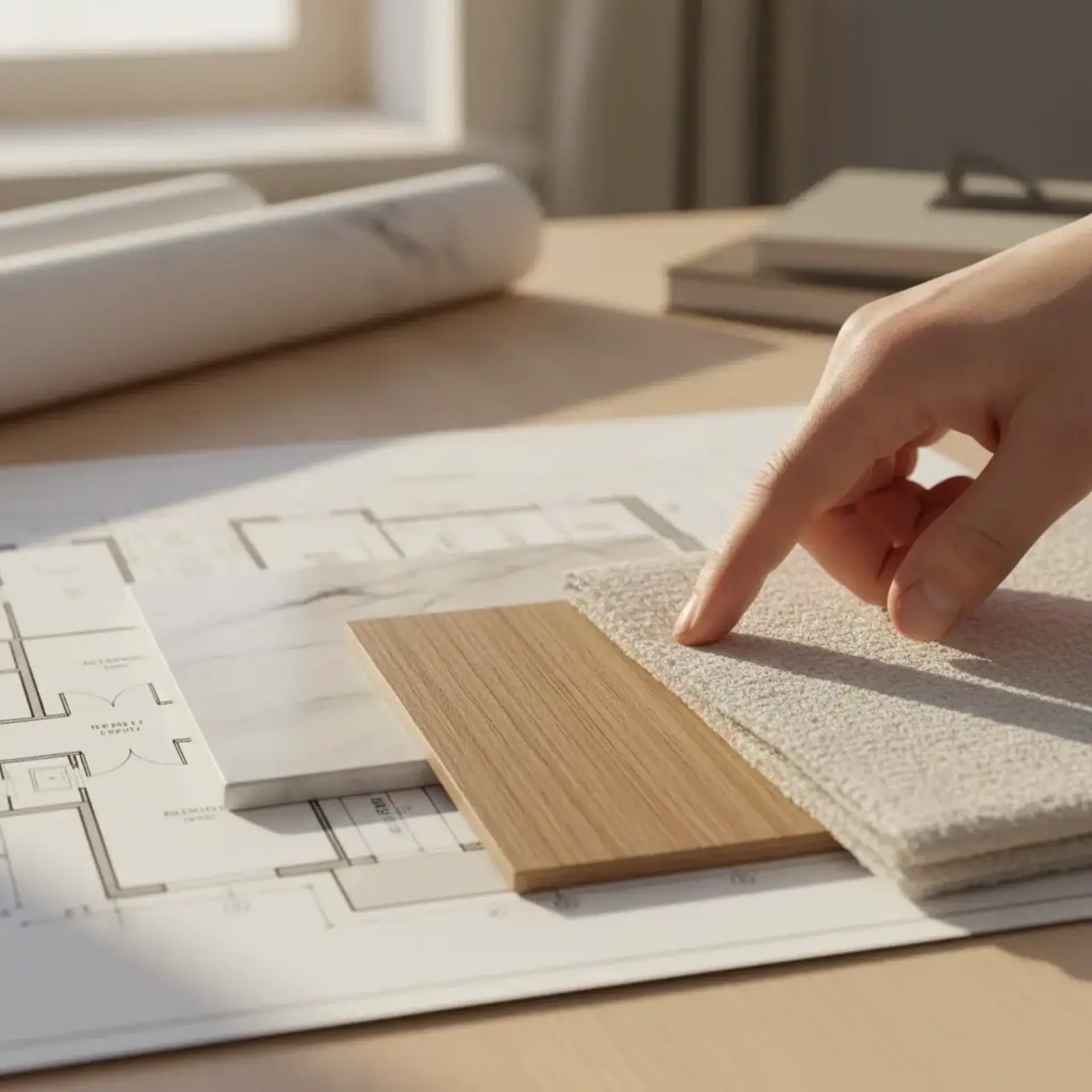
You officially own the apartment. Now you have to ask permission to touch it. If you live in a Co-op or many Condos, you must submit a Renovation Alteration Agreement. This is not a rubber stamp. The Board’s reviewing architect will examine every detail of our plans—from the waterproofing under the shower to the soundproofing in the floors. We manage the negotiation, answering technical queries to ensure compliance with building standards.
Phase 3: The City (DOB and Permits)
Once the Board says Yes, the City has to say Yes. Мы подаем документы в Департамент зданий (DOB). Depending on the complexity—such as combining apartments or moving gas lines—this can be a standard filing or a lengthy process. Before DOB approval, we must hire an investigator to test for asbestos. If found, a separate abatement plan must be filed and executed before any work begins.

Phase 4: Construction (The Logistics Marathon)
Now, and only now, do we start building. However, NYC construction involves unique constraints. Most luxury buildings limit work hours to 9:00 AM to 4:00 PM. Logistics involve navigating service elevators and strict debris removal protocols. Additionally, the Summer Rule in many high-end buildings may ban construction entirely from Memorial Day to Labor Day, which must be factored into the master schedule.
Phase 5: The Closeout (Inspections and Sign-offs)
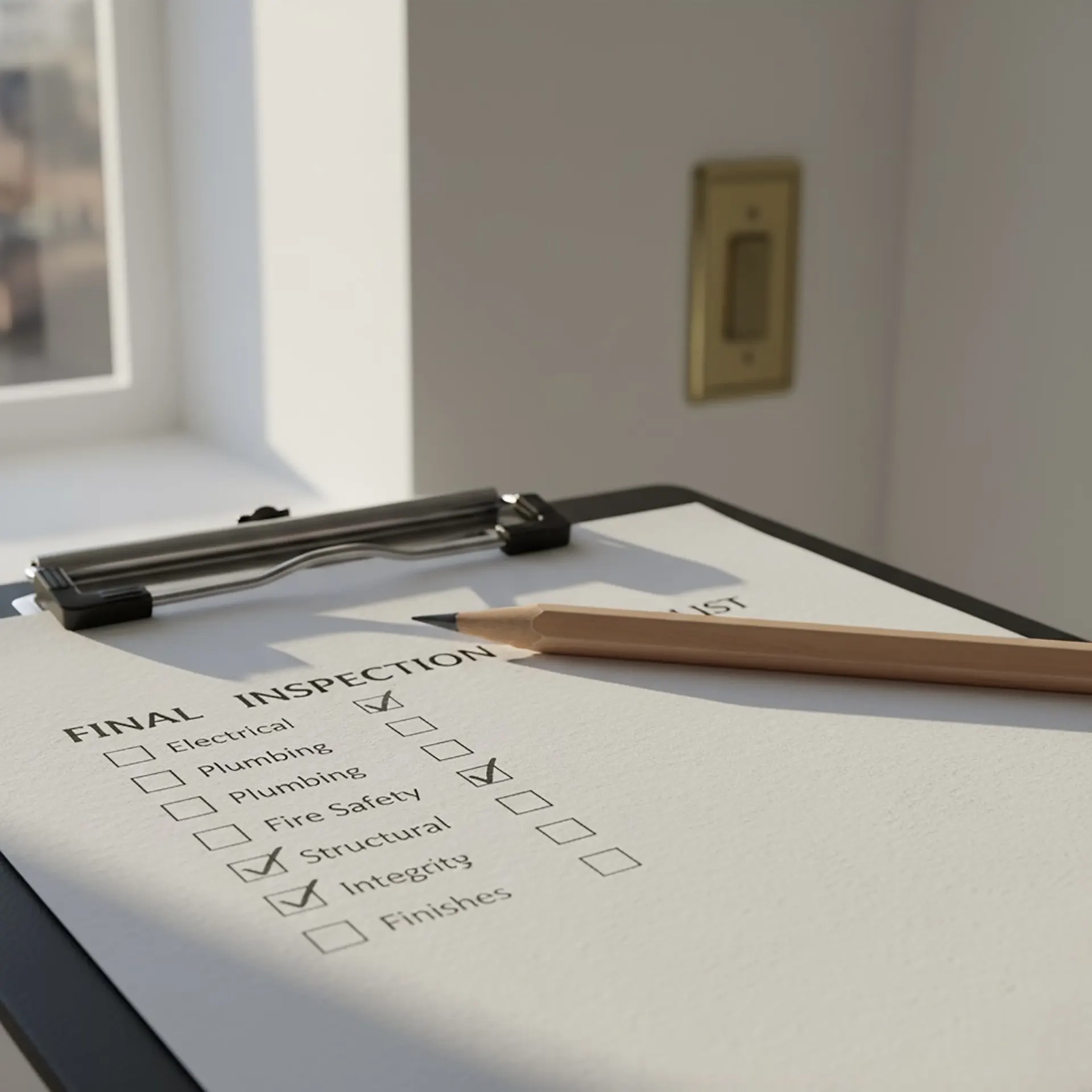
The apartment looks finished, but the process is not complete. We must secure the plumbing sign-off, the electrical sign-off, and the final closure of all permits with the DOB. Moving in before these technical milestones are achieved can trigger legal issues with the building management or insurance providers. We ensure every permit is signed off to protect your property value.

A standard full-gut renovation in Manhattan rarely takes less than 9 to 12 months from the decision to buy to the final sign-off. Knowing the map is the only way to survive the journey. At Hoppler, we do not sell the fantasy of a fast renovation; we sell the certainty of a rigorously planned one.
Success in the Manhattan market is defined by technical preparedness and navigating the invisible architecture of regulations. When the planning is as precise as the construction, the result is a home that functions as beautifully as it looks.

Permits, Plans, and Patience
Undertaking a Renovation in New York City: Navigating DOB Rules Like a Pro Undertaking a renovation
Inspections, Sign-Offs, and Surprises: What Happens After Construction Ends
The floors are polished. The painter has packed up his drop cloths. The lights are glowing, and for

Landmark Living: Renovating Historic Buildings in NYC’s Protected Districts
There’s a unique romance to living in a pre-war brownstone or a historic loft in one of New Yo