
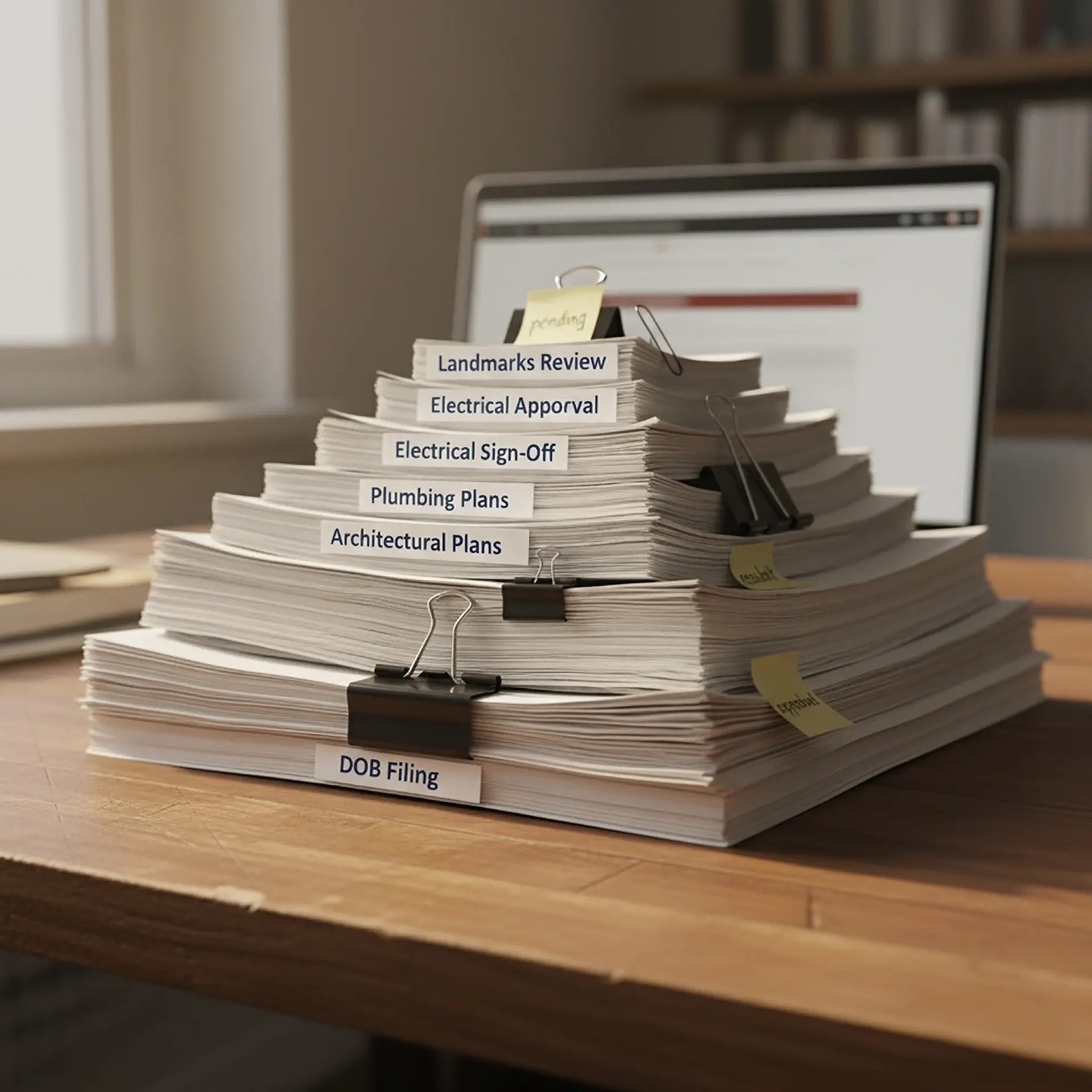
The Permit Pyramid: Who Approves What in NYC Construction
If you’ve ever tried to renovate anything in New York City — from a studio to a brownstone — you know this truth: nothing moves without approval.
But approvals in NYC don’t come from one place. They come from a hierarchy — a labyrinth of overlapping authorities, each guarding its own piece of the city’s architectural DNA.
To the untrained eye, it looks like chaos. To seasoned professionals, it’s a pyramid — one that, once understood, can actually work for you.
Hoppler Design & Build calls it “the Permit Pyramid.”
1. The Base: The Department of Buildings (DOB)
At the base of the pyramid sits the NYC Department of Buildings — the foundation of every legal construction project.
The DOB’s mission is safety. It enforces the Building Code, Plumbing Code, Energy Code, and Zoning Resolution. Its job: make sure your renovation won’t collapse the structure, endanger anyone, or violate the city’s urban plan.
If you’re moving a wall, adding lighting, running new plumbing, or touching anything structural — the DOB wants to see your drawings.
Every major renovation must be filed under one of the following categories:
- Alteration Type-1 (Alt-1): Major layout, use, or occupancy changes
- Alteration Type-2 (Alt-2): Interior remodels without occupancy change
- Alteration Type-3 (Alt-3): Single-task updates like window replacement
Most high-end renovations fall under Alt-2 — still complex, still requiring professional drawings, but faster to process.
Hoppler’s licensed architects handle filings internally, ensuring every drawing meets DOB standards before submission — since even one typo can send plans back for weeks.
2. The Middle Layer: Building Management and Boards
If the DOB ensures the city’s safety, your co-op or condo board ensures the building’s sanity.
They’re not optional. Even with city approval, your building can block your project until you satisfy their rules.
Typical board restrictions include:
- Work hours (usually 9 a.m.–4 p.m.)
- Noise and debris regulations
- Elevator and hallway protection requirements
- Licensed and insured contractors ($5–10M coverage typical)
- Pre-approved materials and finishes
Many boards require architectural drawings, contractor insurance, and DOB filing numbers before issuing an Alteration Agreement.
Hoppler prepares board submissions in parallel with DOB filings — reducing timelines dramatically.

3. The Upper Tier: Landmarks and Special Districts
If your property lies in a Landmark District — SoHo, Greenwich Village, Upper West Side — the Landmarks Preservation Commission (LPC) joins the process.
The LPC protects architectural heritage. They review any visible alteration:
- Building façades and exterior walls
- Roofing materials and structures
- Window frames and glazing
- Exterior colors and finishes
Even modern apartments in landmarked buildings fall under LPC jurisdiction.
Hoppler’s architects coordinate directly with reviewers, providing historical documentation and renderings to justify proposed updates.

4. The Hidden Tier: Environmental and Utility Authorities
Projects involving plumbing relocations, basements, or exterior drainage may require additional approvals from:
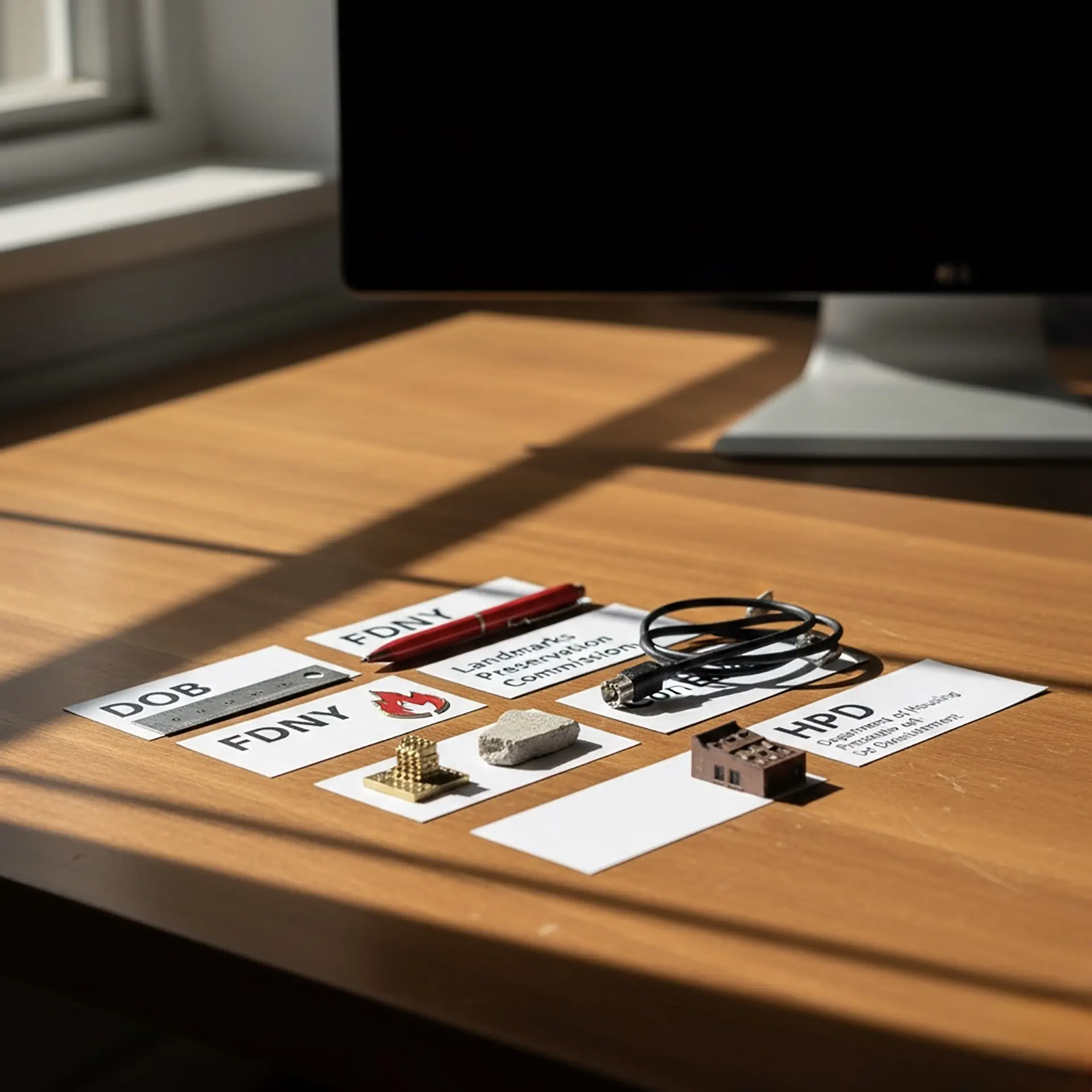
- NYC Department of Environmental Protection (DEP) — water supply, sewer connections, backflow prevention
- Con Edison — electrical service upgrades, meter installations, load calculations
- FDNY — sprinkler systems, fire alarms, emergency exits, suppression systems
These agencies don’t communicate with each other — meaning your project manager must orchestrate them carefully.
Hoppler’s unified design-build system ensures engineers, expediters, and architects work from the same documents, preventing conflicting submissions.
5. The Apex: The Certificate of Completion
At the top of the pyramid sits the final approval: the Letter of Completion (LOC) or Certificate of Occupancy (CO).
Without this document, you technically can’t legally occupy, insure, or sell your renovated space.
| Document Type | Required For | Issued By |
|---|---|---|
| Letter of Completion (LOC) | Alt-2, Alt-3 projects | DOB |
| Certificate of Occupancy (CO) | New construction, Alt-1 projects | DOB |
| Temporary Certificate of Occupancy (TCO) | Partial completion | DOB |
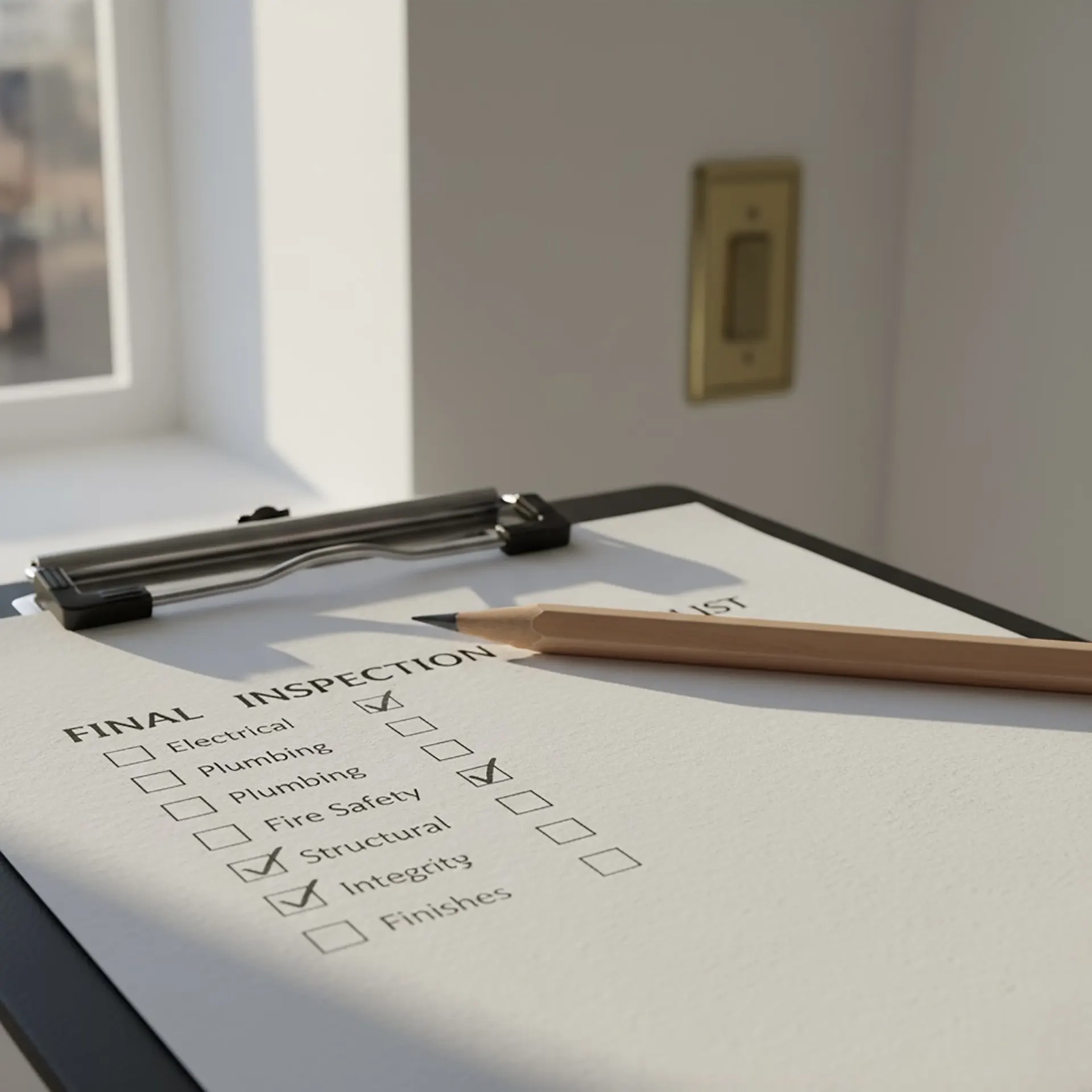
Hoppler prepares for this from day one — scheduling inspections early and ensuring electrician, plumber, and engineer sign-offs are ready.
6. Why Most Homeowners Struggle with the Pyramid
The system isn’t intuitive. Each authority has its own language, rhythm, and expectations. Delays often stem from misalignment, not rejection.
Common challenges include:
- Conflicting requirements between DOB and building boards
- Missing documentation causing review delays
- Uncoordinated inspector schedules
- Incomplete contractor certifications
- Mismatched architectural and engineering drawings
Hoppler synchronizes all layers, treating the pyramid as a single coordinated system rather than isolated checkpoints.
7. The Unseen Beauty of Compliance
As frustrating as it can be, the permit system protects New York’s architectural soul — keeping brownstones, lofts, and towers safe and intact.
Hoppler doesn’t fight it — they speak its language. That fluency turns complexity into clarity, and paperwork into progress.

The Hidden Costs of NYC Compliance: Budgeting for Permits, Inspections, and Fees
There’s a unique romance to living in a pre-war brownstone or a historic loft in one of New Yo
Inspections, Sign-Offs, and Surprises: What Happens After Construction Ends
The floors are polished. The painter has packed up his drop cloths. The lights are glowing, and for
DIY or Hire a Pro? A Guide to Making Smart Renovation Decisions
The allure of DIY renovation projects is undeniable; there’s something deeply satisfying about