
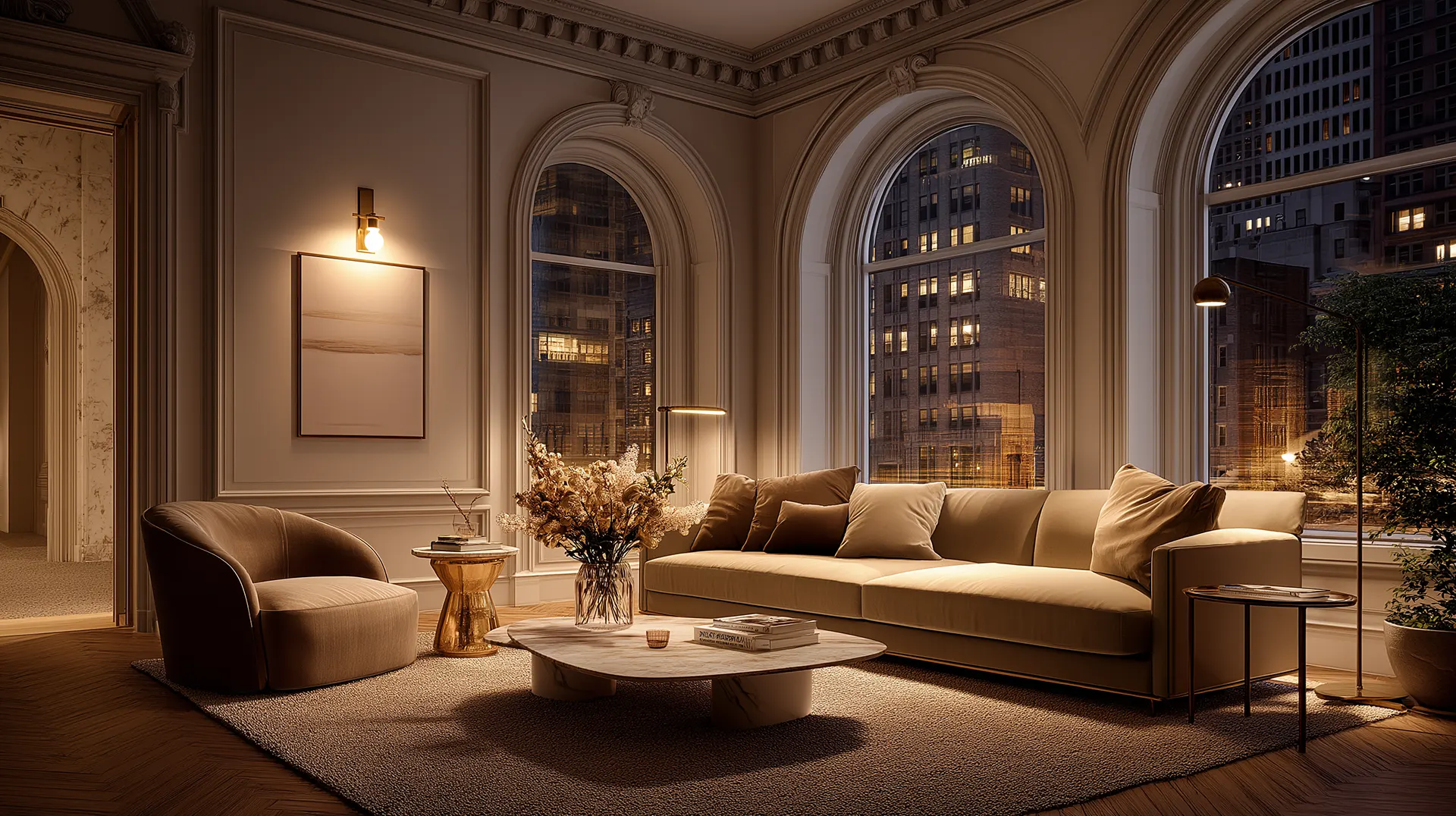
Reviving History: Preserving Character in Historic Home Renovations
Historic homes possess an irreplaceable soul that modern construction simply cannot replicate; the patina of aged hardwood floors, the craftsmanship of hand-carved moldings, and the stories whispered by century-old walls. Yet living in these architectural treasures often means confronting outdated electrical systems, inefficient heating, and layouts that no longer serve contemporary lifestyles. The challenge lies in bridging the gap between preservation and practicality, honoring the past while embracing the future. Successful historic renovations require a delicate balance of respect for original craftsmanship and the integration of modern conveniences that make these homes livable for today’s families. When working with any experienced interior design and architect team, the goal becomes creating seamless transitions between old and new that feel intentional rather than jarring, ensuring that necessary updates enhance rather than diminish the home’s inherent character.
Case Study: Modernizing a Victorian Brownstone Kitchen
“When I first walked into my 1890s Victorian brownstone, I fell in love with the soaring ceilings and intricate plasterwork, but I knew the kitchen hadn’t been updated since the 1950s,” recalls Sarah, a graphic designer who spent two years restoring her Brooklyn home. “The original butler’s pantry had been converted into a cramped galley kitchen with linoleum floors and fluorescent lighting that made the beautiful architecture feel forgotten. We decided to restore the butler’s pantry concept but with modern functionality; custom cabinetry that matched the home’s original woodwork housed contemporary appliances, and we installed period-appropriate fixtures with LED technology. The biggest challenge was updating the electrical and plumbing without damaging the original horsehair plaster walls, which required careful planning and skilled craftspeople who understood historic construction methods. Now my kitchen feels like it could have always been there, just with the convenience of a dishwasher and induction cooktop hidden behind cabinet panels that match the home’s original millwork.”
Case Study: Uncovering Character in a 1920s Apartment
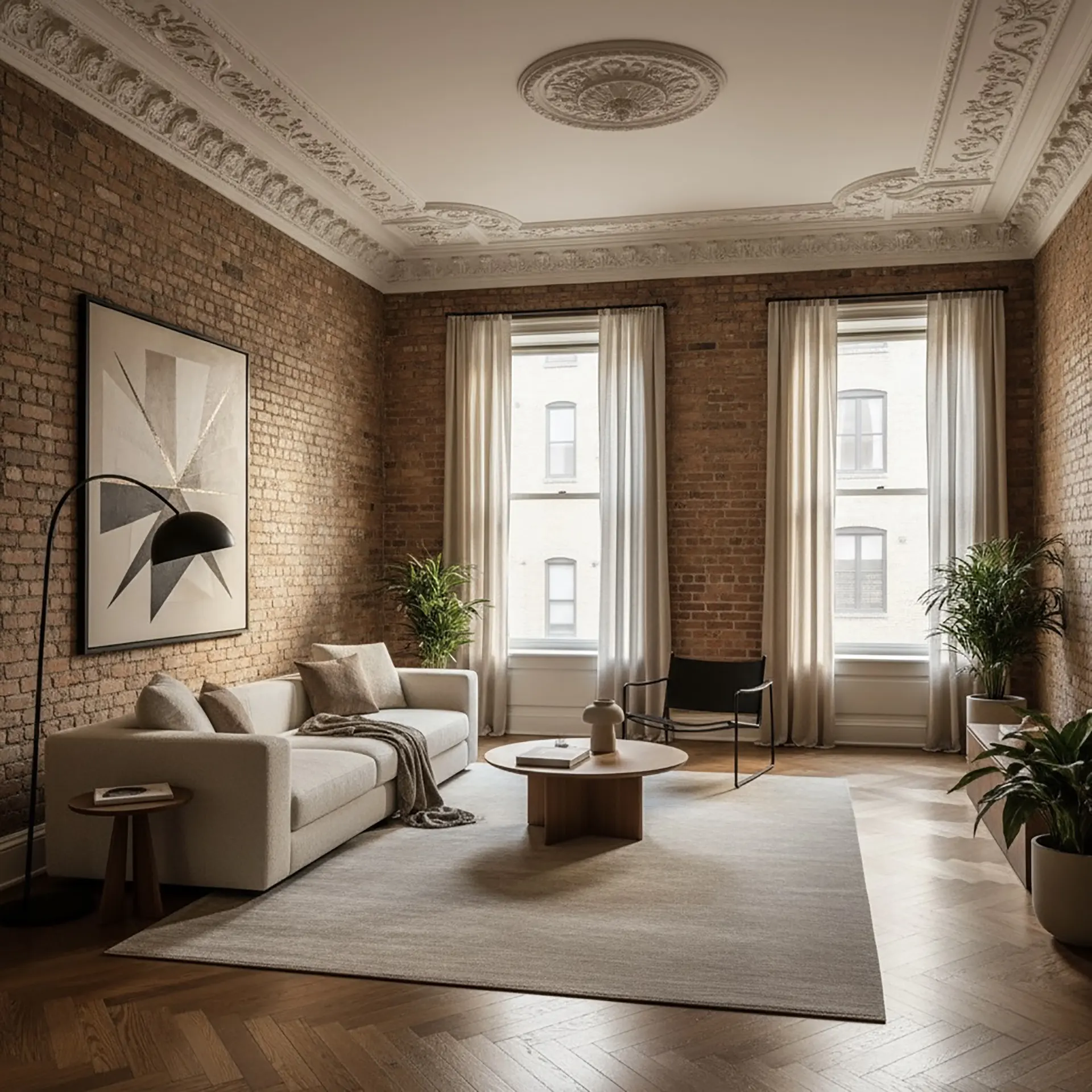
“My 1920s apartment had incredible bones—original hardwood floors, detailed crown molding, and those gorgeous tall windows that flood the space with light—but decades of poor renovations had covered up most of the character,” shares Michael, who spent eight months undoing previous modifications. “Someone had installed drop ceilings that hid beautiful plasterwork, covered the hardwood with carpet, and painted over all the original woodwork in flat white paint. My restoration became an archaeological project, carefully removing layers to reveal what was underneath. We discovered original pocket doors that had been sealed shut, restored the hardwood floors to their natural color, and spent weeks stripping paint from the intricate window casings to reveal the original wood grain. The apartment renovation ideas that worked best were those that celebrated the existing architecture rather than fighting against it. We added modern lighting that complemented the period fixtures, updated the bathroom with vintage-inspired tiles that felt authentic to the era, and chose furniture that honored the apartment’s proportions and style.”
The Keys to Success: A Modern A-to-Z Approach
The key to successful historic renovation lies in understanding that preservation and modernization can coexist beautifully when approached with knowledge, patience, and respect for the original craftsmanship. Research becomes crucial; understanding your home’s architectural period, original materials, and construction methods helps inform decisions about what to preserve, what to restore, and where modern interventions make sense. Working with contractors experienced in historic properties makes an enormous difference, as they understand the unique challenges of working with old construction methods and can suggest solutions that maintain structural integrity while meeting contemporary building codes. A comprehensive A-to-Z home improvement approach for historic properties often means addressing issues in a specific order: structural concerns first, followed by mechanical systems, then restoration of architectural details, and finally modern conveniences. The most rewarding historic renovations are those that make visitors feel like they’re experiencing the home as it was originally intended, just with the comfort and convenience of modern living seamlessly woven into the fabric of the past.
Historic Renovation Priority Sequence:
- Structural concerns and foundational integrity.
- Mechanical systems (electrical, plumbing, HVAC).
- Restoration of original architectural details and finishes.
- Integration of modern conveniences and technology.

The Art of the Statement Piece: How to Elevate Your Home’s Decor
A truly exceptional statement piece possesses an almost magnetic quality that draws people into a ro
Small Spaces, Big Style: Clever Design Hacks for Compact Homes
Living in a compact home doesn’t mean sacrificing style or functionality; it simply means gett